East London Museum, Natural and cultural history museum in East London, South Africa.
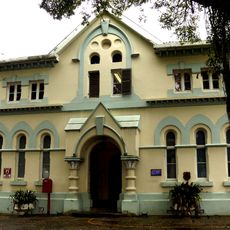
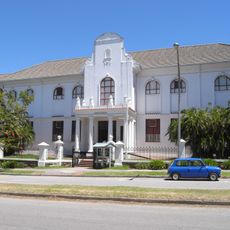
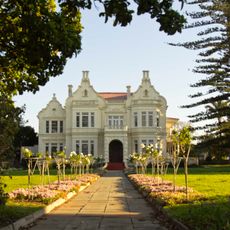
The East London Museum occupies a building on Oxford Street in the Southernwood district, designed by the local firm Farrow & Stocks and opened in November 1950. Its galleries hold a recent coelacanth caught in 1938, fossil skull and skeleton remains of the dicynodont Kannemeyeria simocephalus from Tarkastad, and 124,000-year-old fossil human footprints found at Nahoon Point in 1964. A working beehive is the museum's only living exhibit.
The museum was founded on 19 July 1921 as a private museum society by local residents, including mayor J. Neale and his deputy James Bruce-Bays, with botanist George Rattray as president. It became a provincial museum on 28 November 1924. In 1938 Marjorie Courtenay-Latimer, curator from 1931, identified the first coelacanth, now the museum's type specimen.
The museum displays southern Nguni beadwork and traditional objects representing the heritage of Xhosa-speaking communities in the region. These collections offer visitors insight into the craftsmanship and social practices of local populations over generations.
The museum is open Monday through Saturday, with longer hours on weekdays from 8:30 AM to 4:30 PM. Visitors should note these schedules, as weekend hours may differ from the standard weekday pattern.
The museum holds the coelacanth caught in 1938, the specimen that proved the fish was not long extinct. It also keeps fossil human footprints from Nahoon Point, found in 1964 and dated to about 124,000 years ago, among the oldest known.
The community of curious travelers
AroundUs brings together thousands of curated places, local tips, and hidden gems, enriched daily by 93,997 contributors worldwide.