Simpson Harbour, Natural port in Blanche Bay, Papua New Guinea.
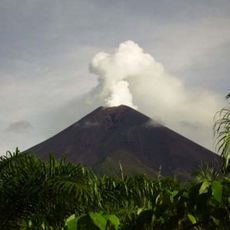
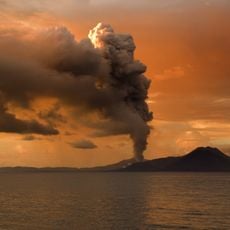
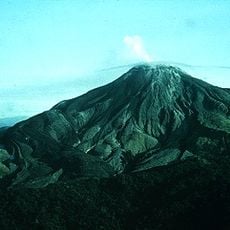
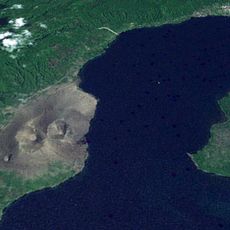
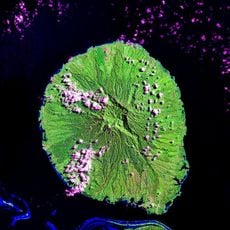
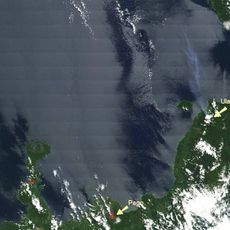
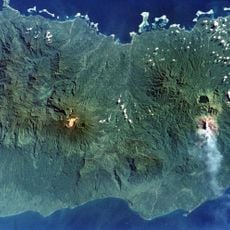
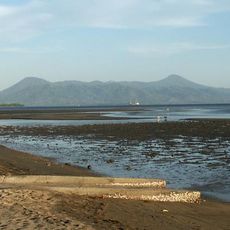
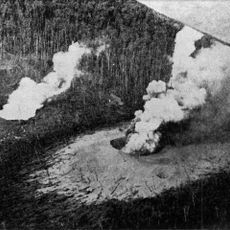
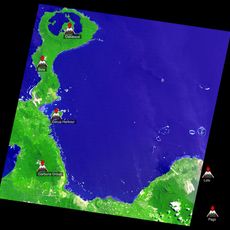
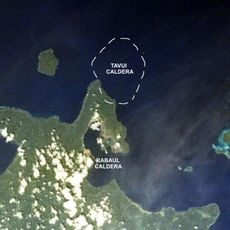
Simpson Harbour is a natural port set inside a flooded volcanic caldera within Blanche Bay, on the Gazelle Peninsula in Papua New Guinea. Active volcanoes rise on several sides, and the surrounding landforms shelter the water from strong currents, making it a well-protected anchorage.
The harbour is named after Captain Cortland Simpson, who surveyed the bay in 1872 while commanding HMS Blanche. In World War I the Australian Naval and Military Expeditionary Force entered Simpson Harbour to capture Rabaul. During World War II Japan used it as a major naval base, and about 65 Japanese ships were sunk there by Allied air attacks. The Japanese surrender for New Guinea, New Britain and the Solomon Islands was signed on 6 September 1945 aboard HMS Glory.
Local fishers head out on the water each morning in small boats, returning with fresh catch sold at nearby markets. The harbor is a working space where daily life and the sea are closely connected.
The harbor is best explored by boat, and local tour operators in the area can arrange trips on the water. The surrounding volcanoes are active, so checking local advisories before visiting is a good habit.
Around 65 Japanese ships were sunk in the harbour by Allied air attacks during World War II. The Japanese surrender for New Guinea, New Britain and the Solomon Islands was signed aboard the aircraft carrier HMS Glory in the harbour on 6 September 1945, with General Hitoshi Imamura and Admiral Jinichi Kusaka representing Japan.
The community of curious travelers
AroundUs brings together thousands of curated places, local tips, and hidden gems, enriched daily by 94,390 contributors worldwide.