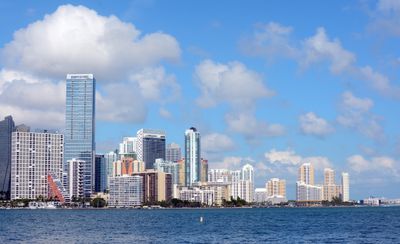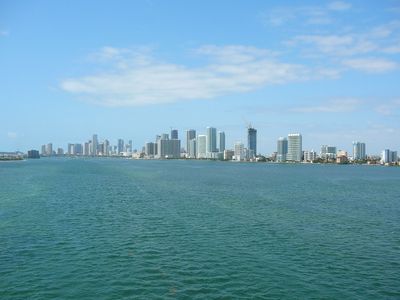
Biscayne Bay, Coastal lagoon in South Florida, US
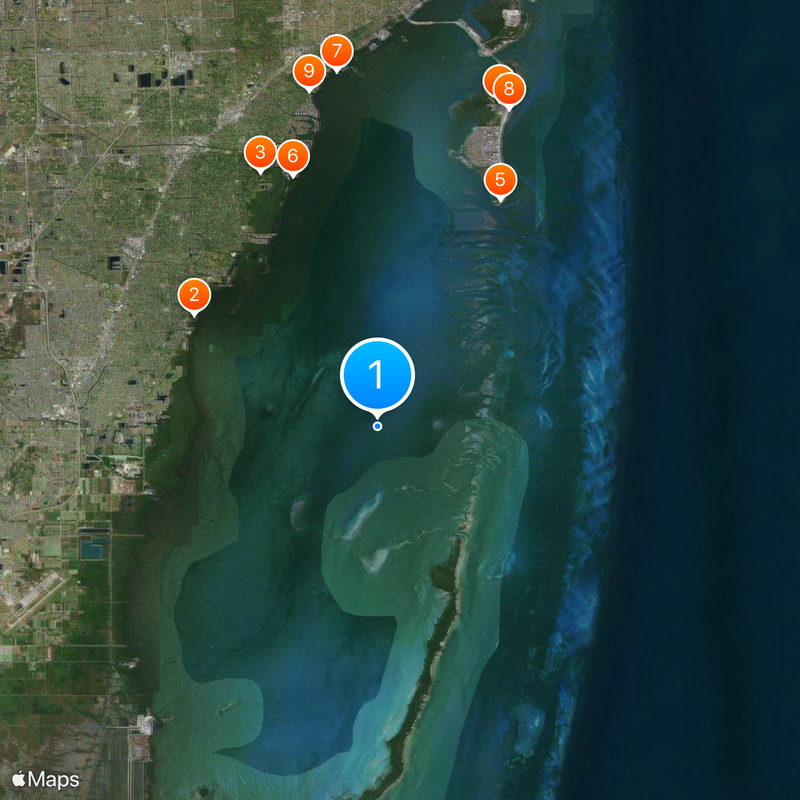
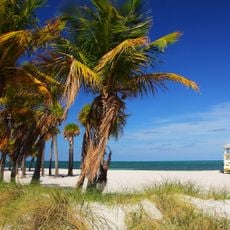
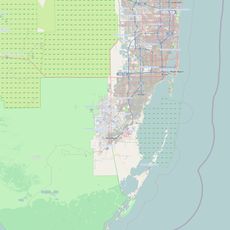
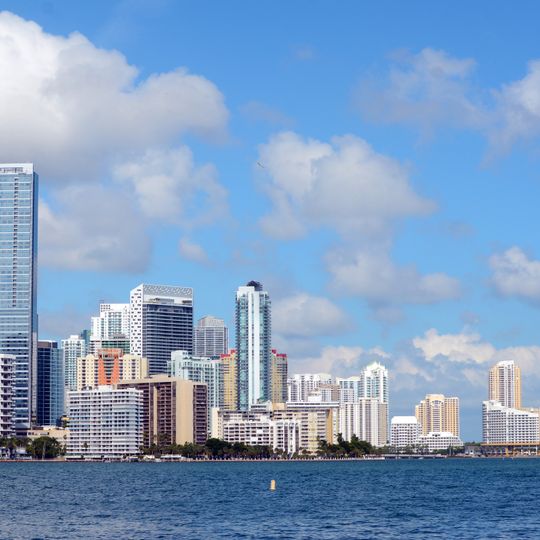
Biscayne Bay is a coastal lagoon in southern Florida that stretches roughly 56 kilometers (35 miles) from downtown Miami in the north to protected natural areas in the south. The lagoon separates the mainland from a series of narrow barrier islands running parallel to the coast, shielding it from Atlantic waves.
Juan Ponce de León reached the lagoon in 1513 while sailing south from St. Augustine, calling it Chequescha at the time. Over the following centuries the name changed until it took its current form.
Boaters often spot manatees grazing and resting in shallow waters throughout the bay, especially during warmer months. These gentle animals gather in protected zones where they feed on seagrass beds that cover much of the bottom.
The lagoon supports sailing, boating trips, snorkeling, and swimming year-round, as well as both sport and commercial fishing. Calm weather provides smooth conditions in the shallow waters, while windy days can create small chop.
A shallow sand belt known as the Safety Valve acts as a natural brake against storm surges pushing into the lagoon. This mechanism channels excess water away, reducing damage along the shoreline during tropical storms.
The community of curious travelers
AroundUs brings together thousands of curated places, local tips, and hidden gems, enriched daily by 60,000 contributors worldwide.