Crandon Park, Recreational park in Key Biscayne, Florida, US
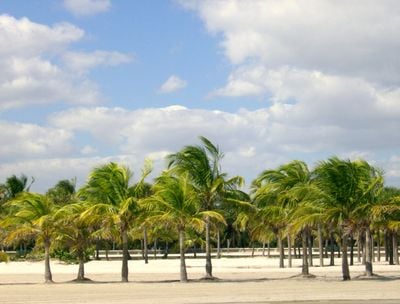
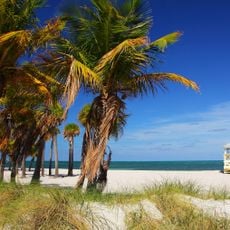
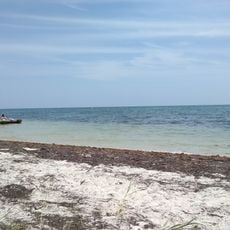
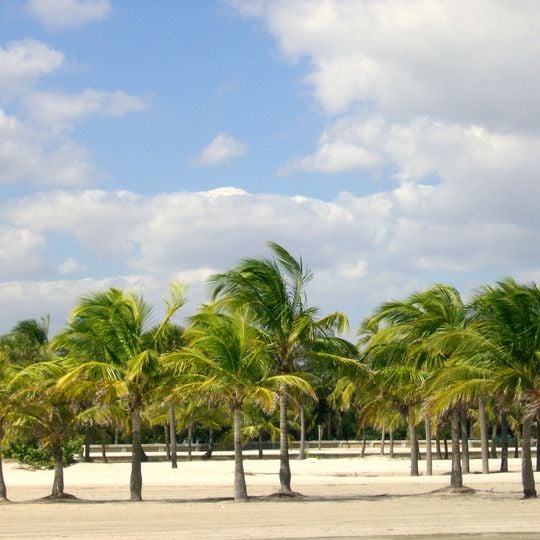
Crandon Park is a large recreational park in Key Biscayne with two miles of sandy beach and swimming areas protected by an offshore sandbar. The shoreline is lined with mangroves that frame the waterfront and provide natural shelter throughout the park.
The land was part of the largest coconut plantation in the United States, run by William John Matheson and his heirs. In 1940 the Matheson family donated 808.8 acres to Dade County for a public park. County commissioner Charles H. Crandon promised a causeway to Key Biscayne in return; delayed by World War II, the Rickenbacker Causeway opened in 1947.
The Marjory Stoneman Douglas Biscayne Nature Center, at the park's north end, is run with Miami-Dade County Public Schools and offers natural history exhibits, a demonstration lab classroom and an audiovisual room. The park name honors Charles H. Crandon, the county commissioner who secured the causeway link to Key Biscayne.
Crandon Boulevard runs from the end of the Rickenbacker Causeway through the length of the park, giving access to Key Biscayne village and Bill Baggs Cape Florida State Park. Parking holds more than 3,000 vehicles. The Marjory Stoneman Douglas Biscayne Nature Center sits at the north end, and guided tours of the Bear Cut Preserve are available.
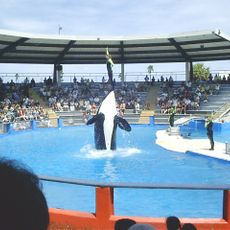
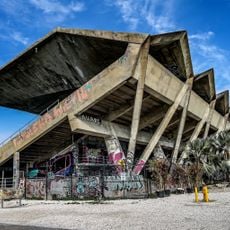
The first animals at the park's former zoo, among them lions, an elephant and a rhinoceros, came from a circus that went out of business in Miami; Galapagos tortoises, monkeys and pheasants arrived from the Matheson plantation. The zoo occupied 48 acres until it moved south of Miami in 1981 and became Miami MetroZoo.
The community of curious travelers
AroundUs brings together thousands of curated places, local tips, and hidden gems, enriched daily by 93,816 contributors worldwide.