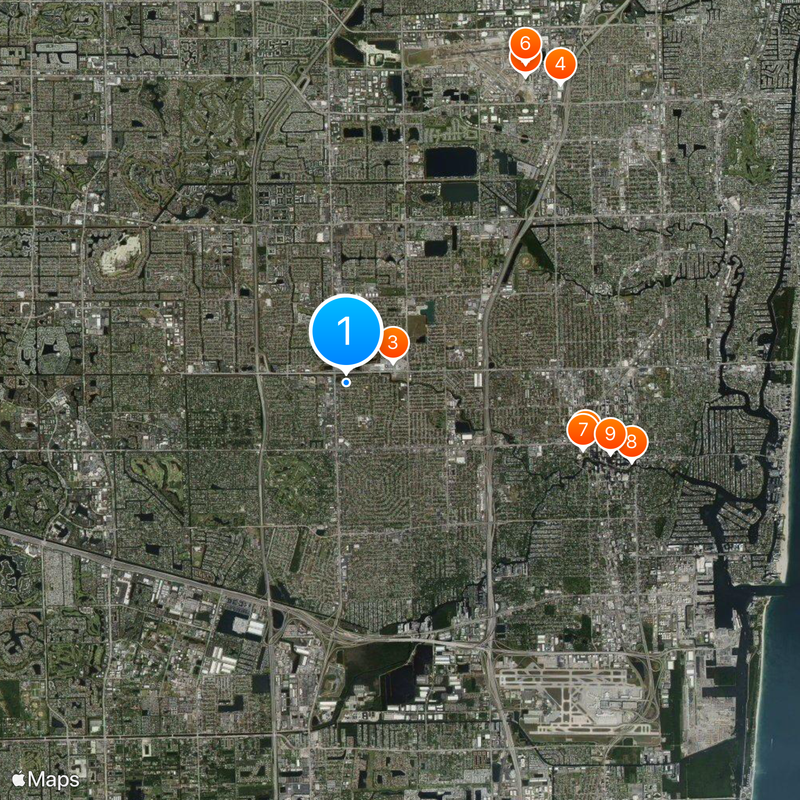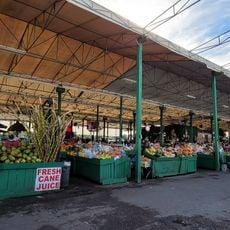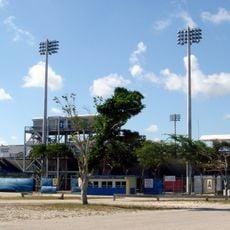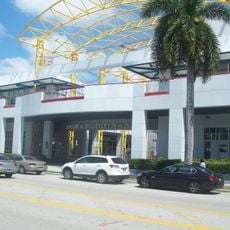
Miami metropolitan area, Metropolitan statistical area in southeastern Florida, United States.
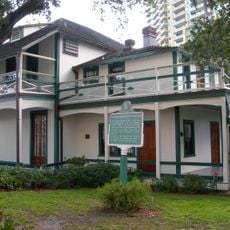
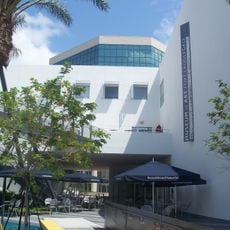
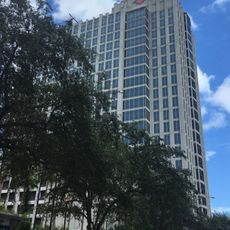
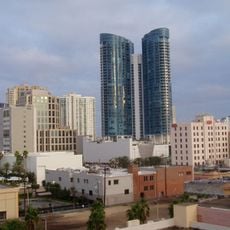
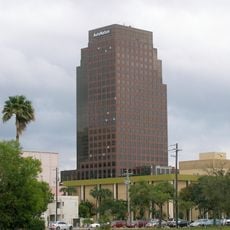
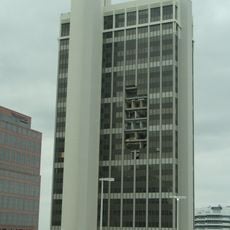
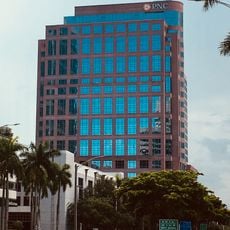
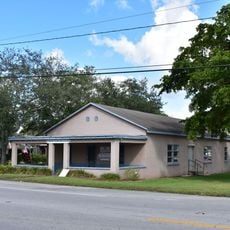
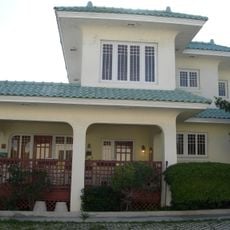
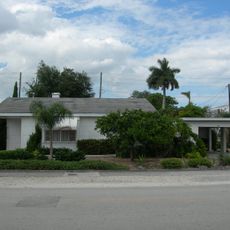
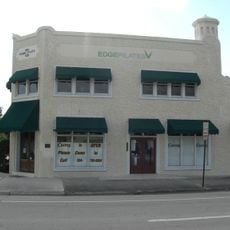
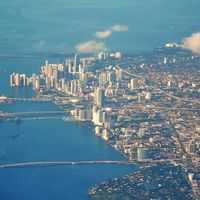
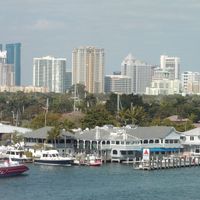
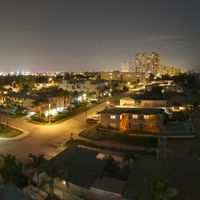
This metropolitan area stretches along Florida's Atlantic coast and covers densely populated zones between the ocean and the Everglades. The landscape shifts from urban centers with high-rises to residential neighborhoods with low buildings and flat coastal strips lined with beaches and marinas.
At the start of the 20th century, the railroad linked southern Florida to northern regions, speeding up the development of coastal settlements. Over the following decades, farmland turned into urban areas as the population grew rapidly through several waves of immigration.
This area reflects a multicultural character where Cuban, Haitian and Latin American influences shape daily life. In neighborhoods like Little Havana, cafés serving espresso, murals and small shops line the streets, while Caribbean and South American traditions remain alive in other communities.
Because of how spread out the region is, renting a car or using public transit helps to move between different cities. If traveling during rush hours, allow extra time because delays on the highways are common.
Much of this region sits just a few feet above sea level, which becomes noticeable in coastal areas during high tides. In some older neighborhoods, rising water levels during king tides temporarily flood streets, a phenomenon that residents know as part of coastal life.
The community of curious travelers
AroundUs brings together thousands of curated places, local tips, and hidden gems, enriched daily by 92,780 contributors worldwide.