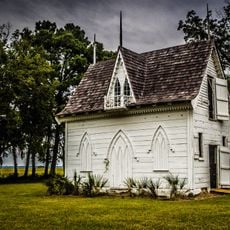
Cassina Point, 1847 Antebellum Plantation House on Edisto Island, South Carolina
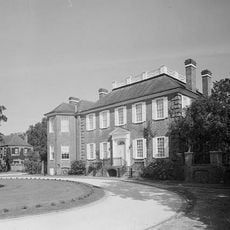
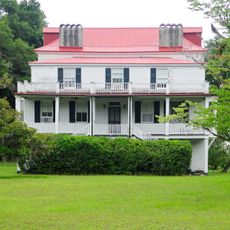
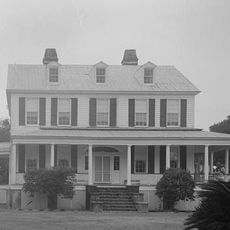
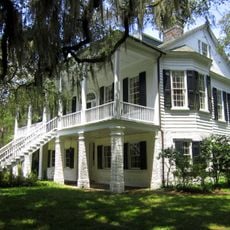
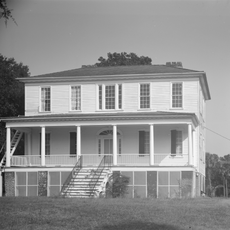
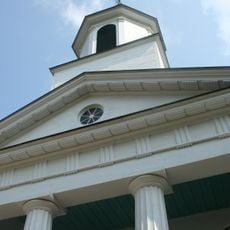
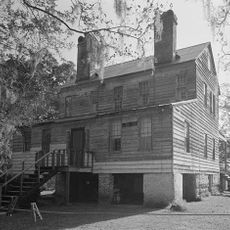
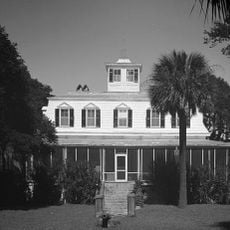
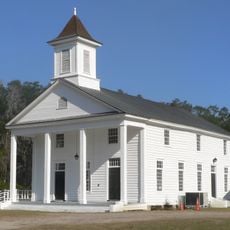
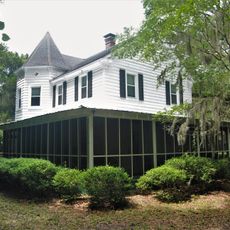
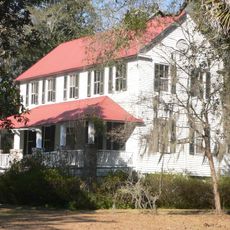
Cassina Point is a 2+1⁄2-story rectangular house with a side-gable roof, pediments, and a Flemish bond basement. Its exterior is clad in weatherboard and flushboard, and a roof porch supported by columns runs along the front. Brick chimneys with stuccoed necking rise above the roof, and the interior retains marble mantles and bull's-eye moulding.
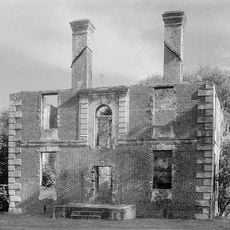
The house was built between 1847 and 1848 for James Hopkinson and Carolina Lafayette Seabrook Hopkinson as a cotton production center. During the Civil War, the Third New Hampshire Regiment used it as headquarters and documented the property through photographs.
Carolina Lafayette Seabrook was named by General Lafayette, who stayed at her father William Seabrook's nearby house in 1825, the year of her birth; he chose Carolina for her birthplace and Lafayette after himself. The house she and James Hopkinson built on land her father gave them carries that family story.
Cassina Point stands on Edisto Island in South Carolina and is listed on the National Register of Historic Places as of November 28, 1986. The house is a private residence, so visitors view it from the road; the interior, with its marble mantles and bull's-eye moulding, is not open to the public.
The name Cassina Point comes from Ilex cassine, the dahoon holly, a native evergreen whose leaves were used by coastal peoples to brew a dark drink called cassina or black drink. The house stands on land William Seabrook gave the couple; the name recalls the plant cover of the sea island cotton estate rather than the building itself.
The community of curious travelers
AroundUs brings together thousands of curated places, local tips, and hidden gems, enriched daily by 93,037 contributors worldwide.