Mulberry Plantation, Historic plantation in Kershaw County, United States
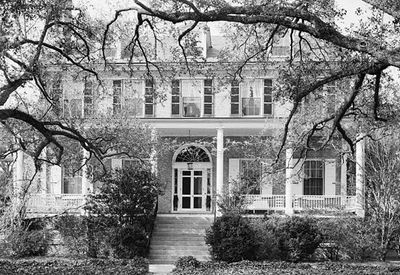
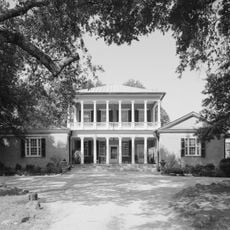
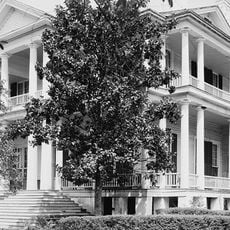
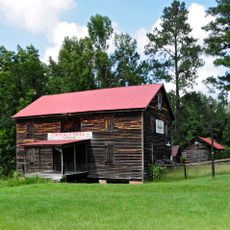
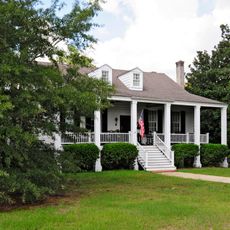
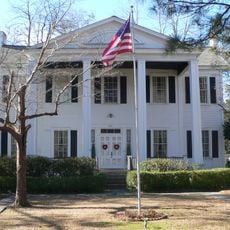
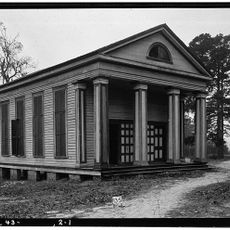
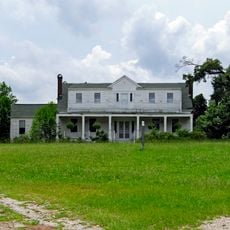
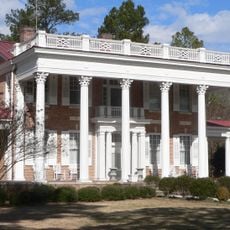
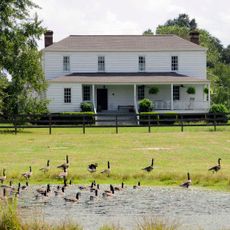
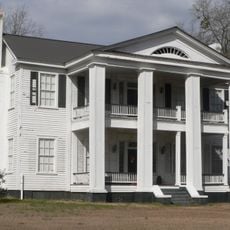
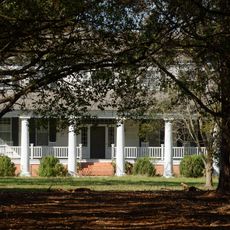
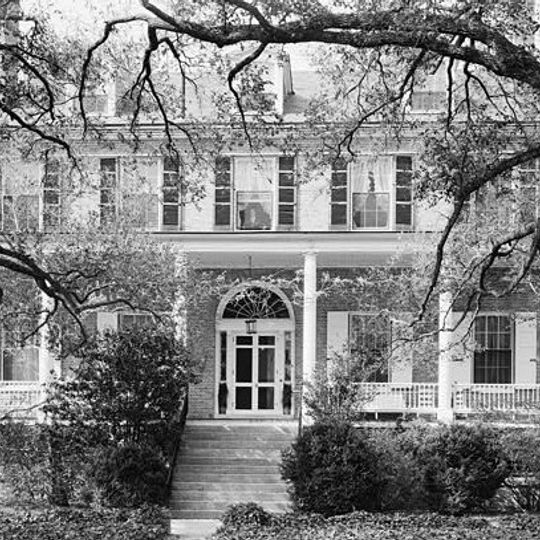
Mulberry Plantation is a historic estate in Kershaw County, South Carolina, centered on a brick house built in the Federal style that stands on high ground near the Wateree River. Three outbuildings from the 1800s remain on the property, including a former servant house and two log barns connected by a lane lined with oak trees.
The land was home to Cofitachequi, a Native American chiefdom that Hernando de Soto passed through in the 16th century. The plantation as a settled estate took shape in later centuries and grew into one of the larger landholdings in the region.
Mary Boykin Chesnut lived here and kept journals that are now among the most read firsthand accounts of the American Civil War. Her writing captures daily life on the plantation from a Southern woman's point of view, and readers still return to her words today.
Comfortable footwear is a good idea because reaching all the buildings means walking the carriage lane and outdoor paths. The ground near the main house is fairly level, though the wider landscape gets more rolling as you move away from the central structures.
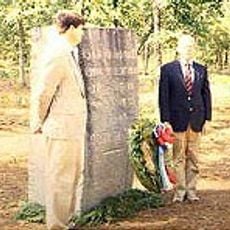
Excavations at the McDowell Site on the property uncovered platform mounds and artifacts left by pre-colonial Native American communities. These findings place this land among the most archaeologically significant sites in South Carolina.
The community of curious travelers
AroundUs brings together thousands of curated places, local tips, and hidden gems, enriched daily by 91,221 contributors worldwide.