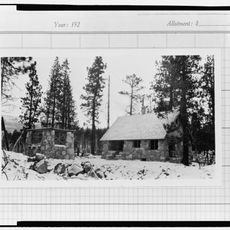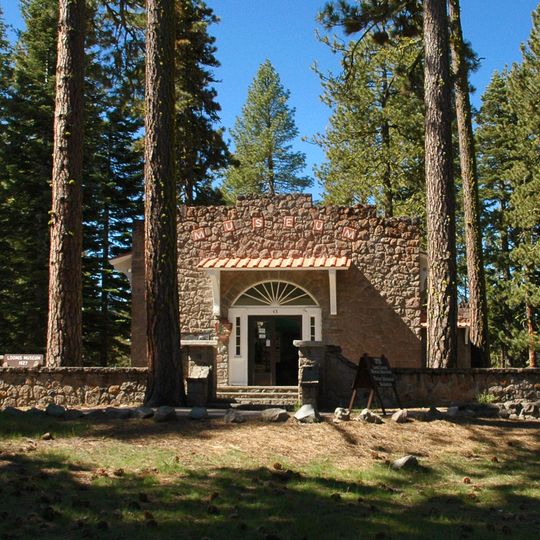
Loomis Museum, Volcanological museum in Manzanita Lake Area, California.
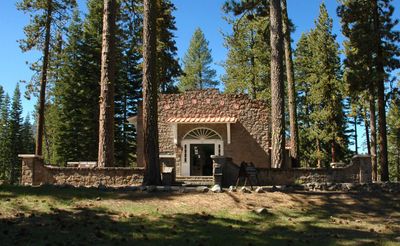
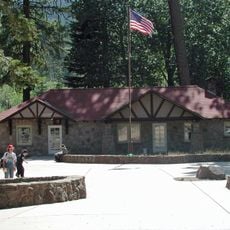
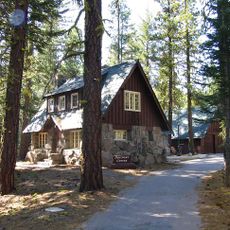
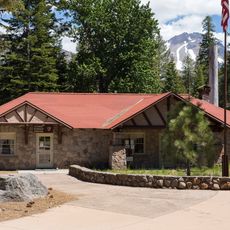
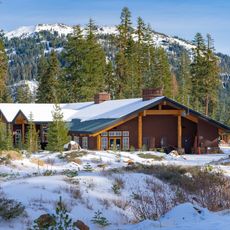
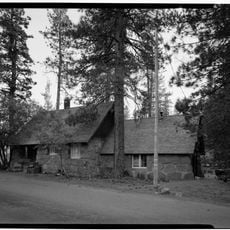
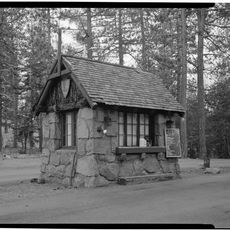
Loomis Museum is a stone building near Manzanita Lake in Lassen Volcanic National Park that displays geological exhibits about the area's volcanic history. The roof features a dome shape with twenty skylights that bring natural light into the exhibition spaces.
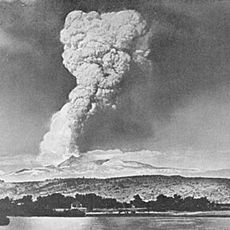
Benjamin Franklin Loomis built this structure in 1927 to display his photographs of the 1915 eruptions of Lassen Peak. The museum was created as a record of one of the last major volcanic eruptions in the continental United States.
The museum preserves artifacts from local Native American tribes and exhibits the geological heritage of Northern California through interpretive displays.
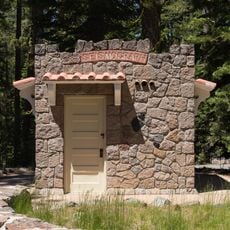
A separate building northeast of the main structure houses a glass-enclosed seismograph where visitors can watch the region's earthquake activity in real time. The best time to visit is summer, when park access is easier and the exhibitions are most comfortable to explore.
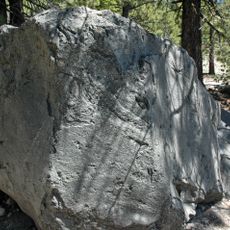
The building itself is constructed from different types of local volcanic rock, making it a kind of three-dimensional teaching tool about the region's geological variety. Visitors can identify the different rock types in the walls and structures, allowing them to explore geology firsthand.
The community of curious travelers
AroundUs brings together thousands of curated places, local tips, and hidden gems, enriched daily by 92,729 contributors worldwide.