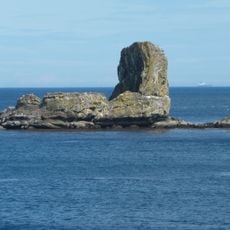
Olympic Coast National Marine Sanctuary, Marine sanctuary along Olympic Peninsula, Washington, US
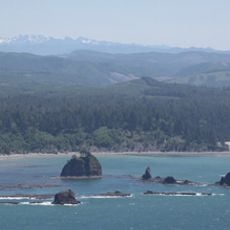
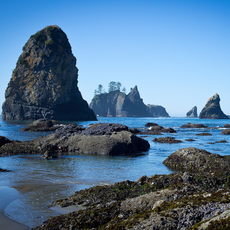
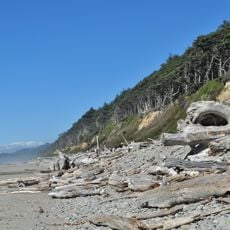
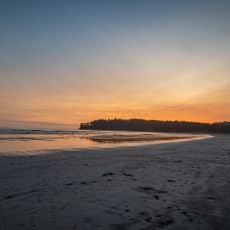
The Olympic Coast National Marine Sanctuary covers 3,189 square miles (8,259 km2) of the Pacific Ocean off Washington's Olympic Peninsula, from Cape Flattery to the mouth of the Copalis River, about 162.5 miles (261.5 km). It extends 25 to 40 miles (40 to 64 km) offshore, taking in most of the continental shelf and parts of the Nitinat, Quinault and Juan de Fuca submarine canyons.
The sanctuary was designated on May 11, 1994, under NOAA, an agency of the U.S. Department of Commerce, as one of the country's marine sanctuaries. It covers 3,189 square miles of the Pacific along the Olympic Peninsula, from Cape Flattery to the mouth of the Copalis River, about 162.5 miles. For 64 miles it shares stewardship with Olympic National Park, and management is also shared with the Hoh, Quileute and Makah Tribes and the Quinault Indian Nation.
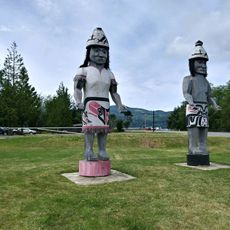
Four Native American tribes - Hoh, Makah, Quileute, and Quinault - work together with authorities to manage the waters and continue their traditional practices of fishing and harvesting. You can see evidence of these traditions in how local communities interact with the coast.
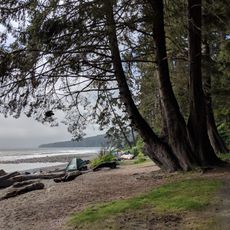
The sanctuary offers opportunities for fishing, shellfish gathering, diving, kayaking, and wildlife watching, though each activity has specific conditions to consider. Plan your visit with flexibility, as ocean conditions can change significantly with weather and seasons.
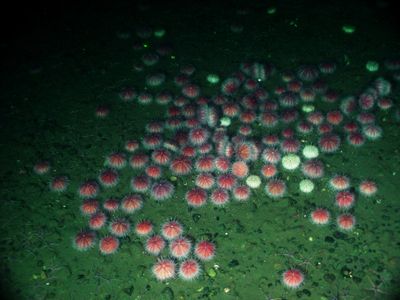
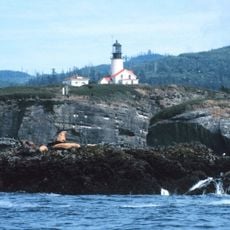
The sanctuary is home to around 30 species of marine mammals, including humpback whales, seals, and sea otters, making it one of the most diverse marine mammal habitats on the coast. These animals are regularly visible to visitors, offering frequent chances to observe large marine creatures in their natural setting.
The community of curious travelers
AroundUs brings together thousands of curated places, local tips, and hidden gems, enriched daily by 94,581 contributors worldwide.