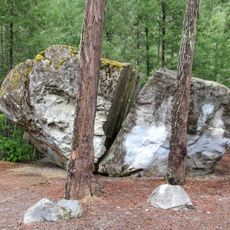
Canadian Cascade Arc, Volcanic mountain range in British Columbia, Canada
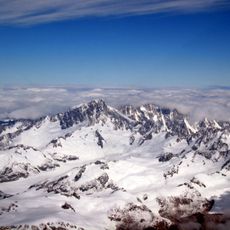
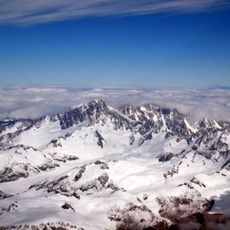
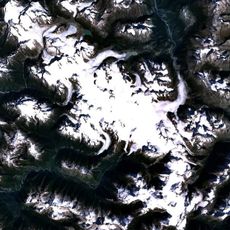
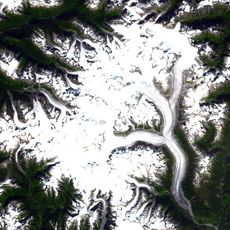
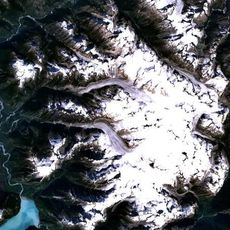
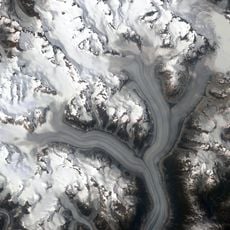
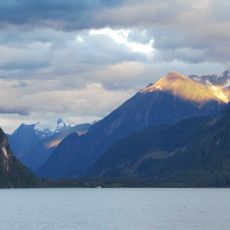
The Canadian Cascade Arc is the Canadian segment of the North American Cascade Volcanic Arc, running from the Canada–United States border north through the Cascade Mountains into the Pacific Ranges of the Coast Mountains in British Columbia. It comprises three linear volcanic belts on the coast and a large volcanic plateau in the Interior, formed in back-arc, main-arc and fore-arc settings.
This mountain chain began forming around 29 million years ago and is still geologically active. The last known major eruption in British Columbia happened roughly 2,350 years ago.
The 1700 Cascadia earthquake, magnitude 9.0, survives in the oral traditions of First Nations on Vancouver Island: Cowichan accounts describe shaking so long it made people sick and too strong to stand, and a tsunami that destroyed a winter village at Pachena Bay. The Nuu-chah-nulth of Pachena Bay, on the west coast of Vancouver Island, keep this account of the wave that took the village.
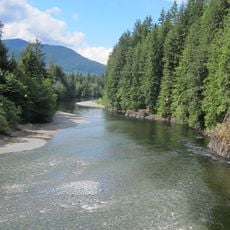
Access to the range is possible through several provincial parks, though conditions change a lot depending on the season. Mountain weather here can shift quickly, so proper gear is important no matter when you go.
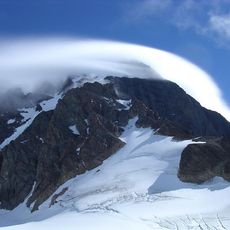
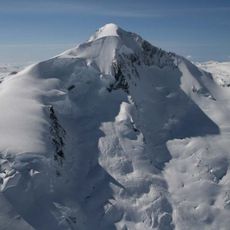
Mount Meager, Mount Garibaldi, and Mount Cayley are among the peaks in this range that still show regular seismic activity. Mount Meager in particular is considered the most likely volcano in Canada to erupt again.
The community of curious travelers
AroundUs brings together thousands of curated places, local tips, and hidden gems, enriched daily by 94,551 contributors worldwide.