North Cascades National Park, Nature reserve in Whatcom County, US
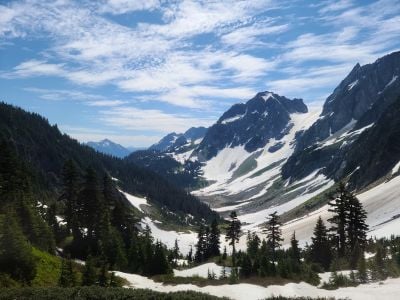
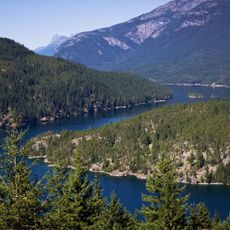
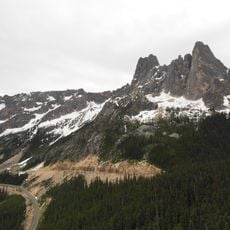
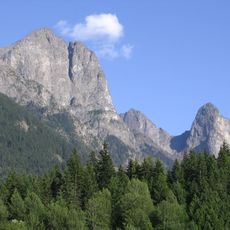
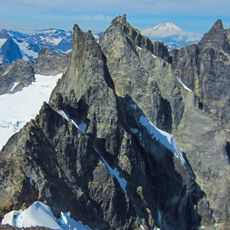
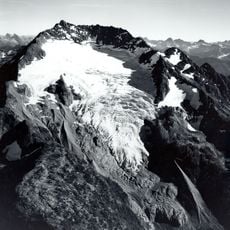
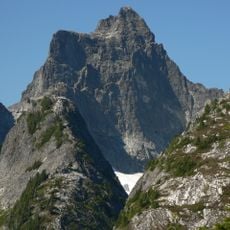
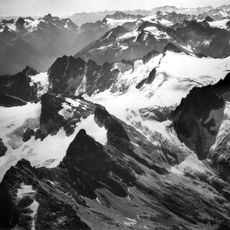
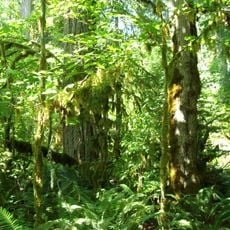
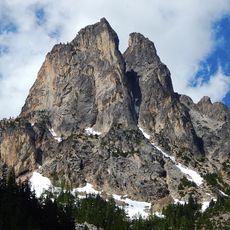
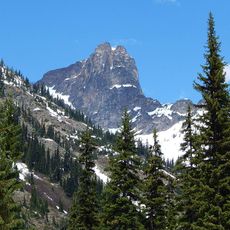
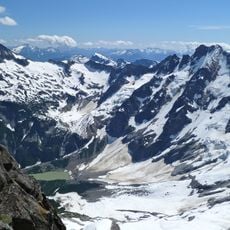
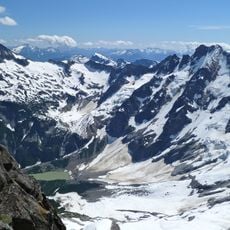
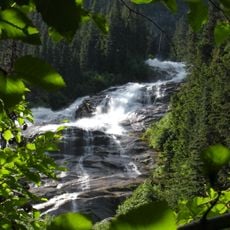
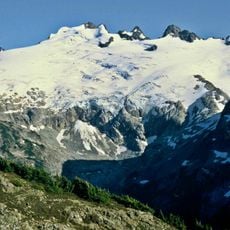
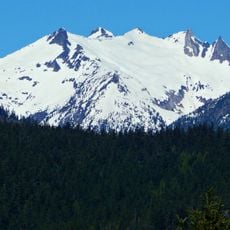
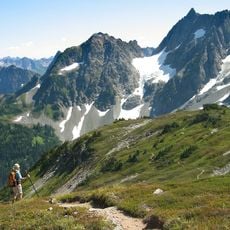
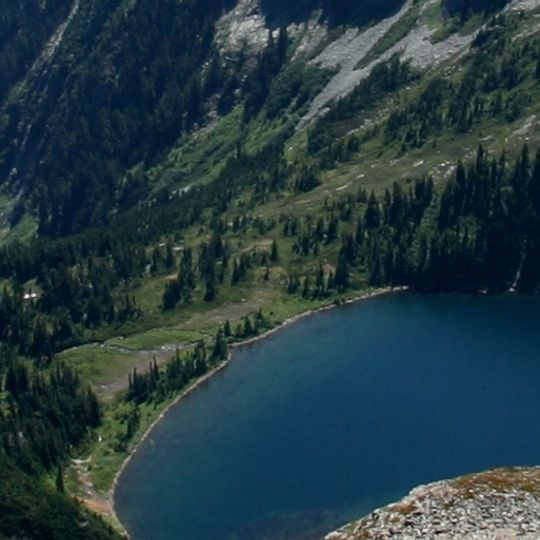
North Cascades National Park covers 2,042.78 km² of northern Washington State near the Canadian border, and is the largest of the three units of the North Cascades complex. The Skagit River divides it into a northern and a southern part, with Ross Lake National Recreation Area along the river and Lake Chelan National Recreation Area at the southern edge. The park holds part of the North Cascades range, the most extensive glacier system in the contiguous United States, and forests with the greatest plant diversity of any US national park.
Indigenous peoples such as the Skagit and Nooksack lived in the region for thousands of years before European explorers and trappers arrived in the 1800s. The park was officially established in the late 1960s to protect the mountains and forests from further development.
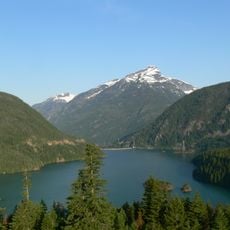
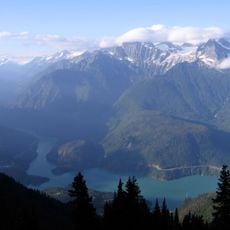
The park lies in the North Cascades massif, where the Skagit River divides it into a northern and a southern part. The river flows through the reservoirs of Ross Lake National Recreation Area, and Lake Chelan National Recreation Area borders the southern section. The park is almost entirely managed as wilderness, so there are few buildings and roads.
The main road through the park, the North Cascades Highway, is often closed during winter, so most visits happen between late spring and early fall. Weather in the mountains can change quickly, so it is worth checking trail and road conditions before heading out.
The park holds the most extensive glacier system in the contiguous United States, with ice fields feeding the headwaters of numerous rivers. Its plant life is the most biologically diverse of any US national park. Camping is regulated by a permit system, and a permit is required year-round.
The community of curious travelers
AroundUs brings together thousands of curated places, local tips, and hidden gems, enriched daily by 93,493 contributors worldwide.