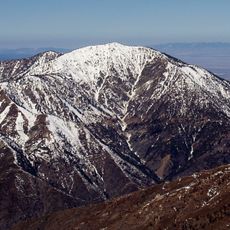
Table Mountain Observatory, NASA astronomical observatory in Big Pines, United States.
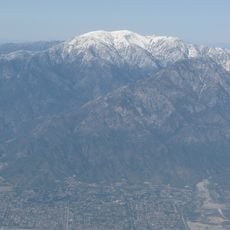
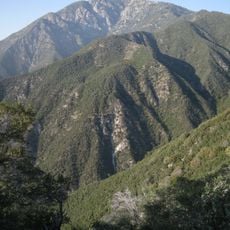
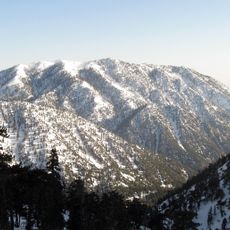
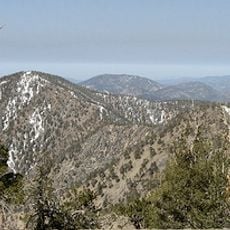
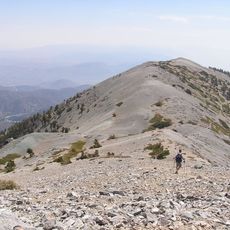
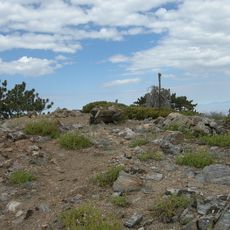
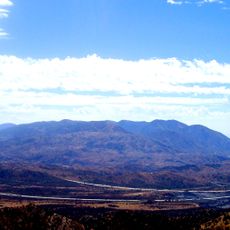
Table Mountain Observatory is an astronomical research station located high in the San Gabriel Mountains, equipped with a 1-meter telescope and additional reflector instruments. The facility operates from this elevated position to observe celestial objects and track near-Earth bodies.
The site was first used by the Smithsonian Institution in 1924 for atmospheric, solar and astronomical observations. JPL took over the lease in 1962 and has run the facility since, adding instruments such as a 0.6 m Ritchey-Chrétien reflector in 1966 and the 1.02 m Pomona College Telescope in 1985. The Russian Wikipedia gives 1968 as the observatory's founding date.
The 1.02 m Pomona College Telescope, a Cassegrain reflector built at Pomona College, became operational here in 1985 and received new mirrors in 1996. The college's physics and astronomy students use it, and the instrument carries the college's name at the site.
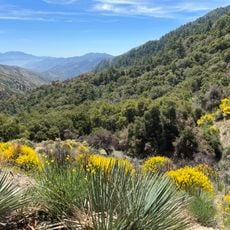
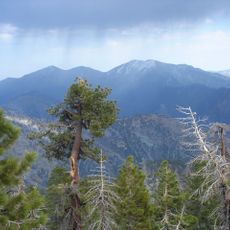
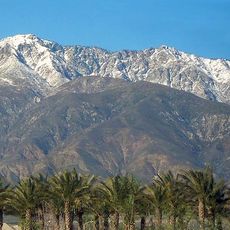
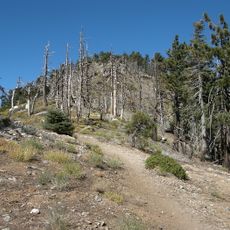
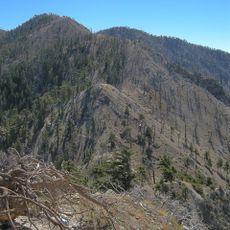
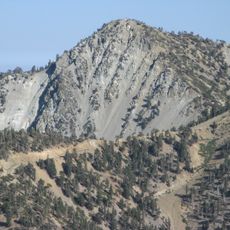
The site is a working research facility in the Angeles National Forest near Wrightwood, not a public observatory, so viewing is arranged through JPL rather than open visiting. Access is via mountain roads in the Big Pines area, north-northeast of Los Angeles, where winter snow and changing conditions can affect the route.
The main-belt asteroid 84882 Table Mountain, discovered at the site by James Whitney Young in 2003, was named in honour of the observatory; the naming citation was published on 28 October 2004. Young was the facility's most prolific observer, credited with 390 asteroid discoveries between 2002 and 2008.
The community of curious travelers
AroundUs brings together thousands of curated places, local tips, and hidden gems, enriched daily by 93,668 contributors worldwide.