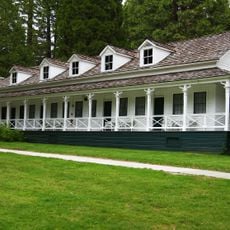
California statistical areas, Statistical areas classification system in California, US
California is divided into statistical areas defined by the Office of Management and Budget to organize population and economic data. The state contains 42 such designations that help distinguish different regions from one another.
This statistical framework for California was established in the mid-20th century to systematically track population trends. The structure has been modified over time to reflect changing geography and economic development across the state.
Each statistical area represents distinct regional identities, from the technology centers of Silicon Valley to the agricultural communities of the Central Valley.
These statistical divisions are easy to find in official documents, research reports, and government planning materials. To understand how these areas work, visitors and researchers can access online databases or contact regional planning offices.
The Los Angeles-Long Beach Combined Statistical Area leads California with over 12 million residents, making it the largest such designation in the state.
The community of curious travelers
AroundUs brings together thousands of curated places, local tips, and hidden gems, enriched daily by 91,801 contributors worldwide.