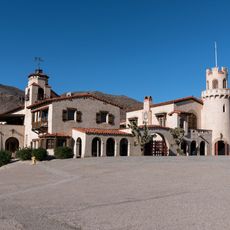
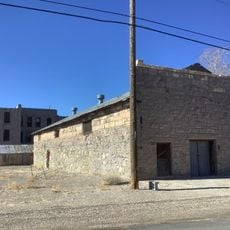
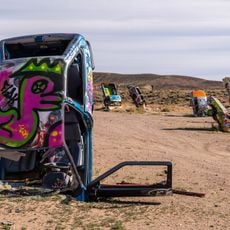
Southern Nevada, Geographic region in Nevada, United States.
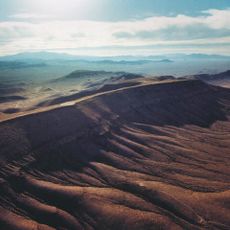
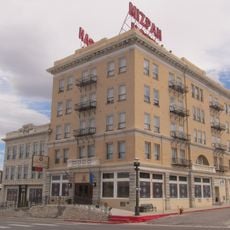
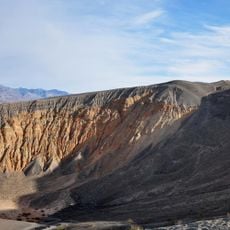
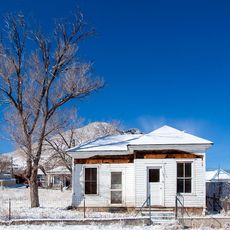
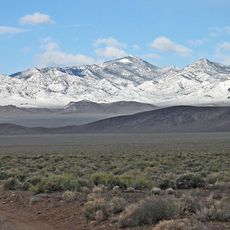
Southern Nevada stretches across vast desert landscapes, mountain ranges, and urban areas, including Las Vegas and several national recreation areas. The terrain varies from flat, open expanses to rugged ridges, offering different types of scenery and conditions for exploration.
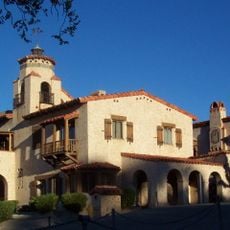
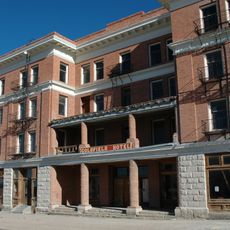
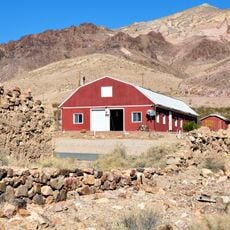
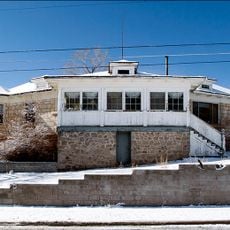
The region was originally home to Native American peoples and later shaped by mining settlements before Las Vegas emerged as an entertainment hub in the early 1900s. This shift completely transformed how the land was used and developed.
The region reflects Native American roots and Spanish influences through local festivals, food, and community traditions that visitors can experience today. These cultural layers appear naturally in how people celebrate and gather together.
The region offers year-round opportunities for hiking, camping, and outdoor activities, with mild winters and warm summers creating good conditions for exploring outside. Spring and fall are the best times to visit when temperatures are most comfortable.
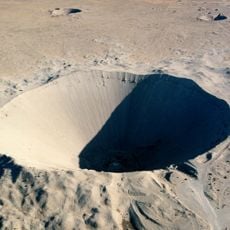
The region contains one of the lowest points in the state along the Colorado River and was the site of nuclear testing from 1951 to 1992. This chapter of history still shapes how people understand the place today.
The community of curious travelers
AroundUs brings together thousands of curated places, local tips, and hidden gems, enriched daily by 60,000 contributors worldwide.