Potosi Mining District, Mining heritage district in Nevada, United States.
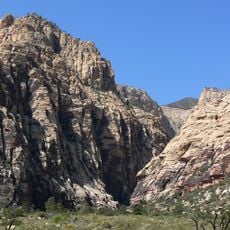
The Potosi Mining District is a historic mining area in Clark County, southern Nevada, listed on the National Register of Historic Places with three structures. Its site, Potosi or Potosi Camp, sits at 5,705 feet (1,739 m) above sea level. The district was part of the Goodsprings Mining District and included the Christmas, Dawn, Green Monster, Kirby, New Year, Shenandoah and Ninetynine mines.
Potosi was part of the Goodsprings Mining District, and its mines yielded gold, silver, zinc, platinum, copper, palladium, cobalt, nickel and antimony. A small amount of carnotite, a vanadium-uranium mineral, was found but never mined. The district is listed on the National Register of Historic Places and includes three structures.
The town of Potosi was named after Potosi, Bolivia, the silver-mining city that supplied Spain's mint for centuries. The district's mines yielded gold, silver, zinc, platinum, copper, palladium, cobalt, nickel and antimony, and a small amount of carnotite was found but never mined. Potosi Camp sits at 5,705 feet (1,739 m) above sea level.
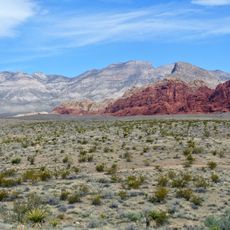
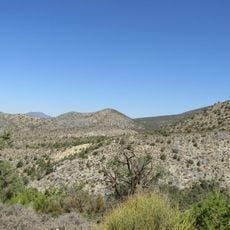
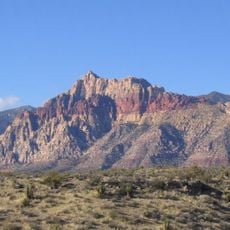
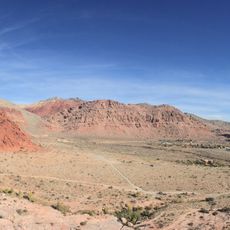
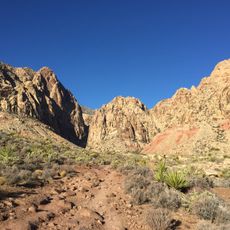
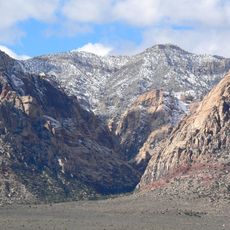
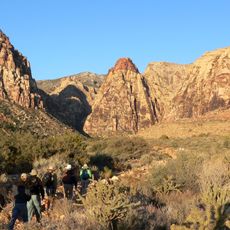
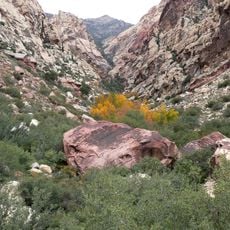
The site is located in the mountains south of Las Vegas near Interstate 15, making it fairly accessible by vehicle from the city. Visitors should expect rough terrain, minimal facilities, and extreme temperatures, especially during the hot summer months when conditions are harsh.
Among the minerals found at Potosi was carnotite, a vanadium-uranium ore. A small amount was discovered in the district but never mined, so the deposits stayed in the ground. The mines otherwise yielded gold, silver, zinc, platinum, copper, palladium, cobalt, nickel and antimony.
The community of curious travelers
AroundUs brings together thousands of curated places, local tips, and hidden gems, enriched daily by 93,151 contributors worldwide.