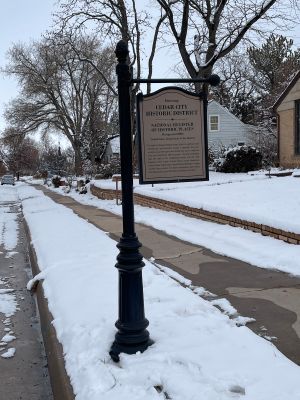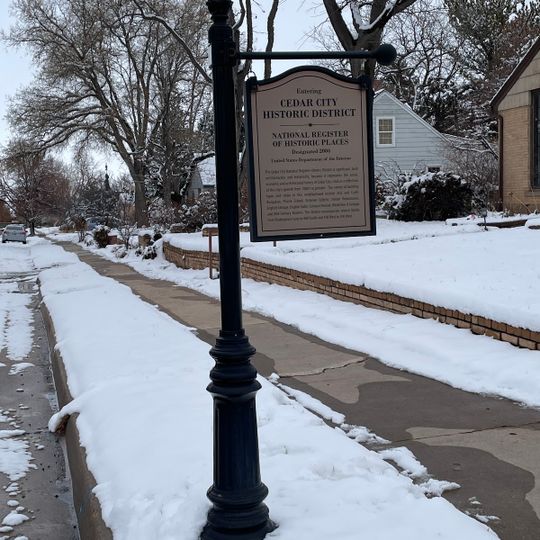
Cedar City Historic District, Historic district in Cedar City, United States.
Cedar City Historic District comprises 172 buildings in Cedar City, Utah, of which 104 contribute to its historical integrity. Ninety-eight percent of the contributing structures are residential, and eleven percent were built before the 1920s. The district was listed on the National Register of Historic Places on July 7, 2004.
The town was founded in 1851 to mine iron ore, an ambitious project led by Mormon settlers under Brigham Young's direction. By the late 1800s, sheep ranching became the dominant economic activity, bringing prosperity and growth to the community.
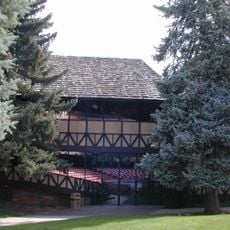
The district displays a range of building styles from the late 1800s through early 1900s, including Tudor Revival, Bungalows, and American Craftsman homes. This architectural mix reflects different periods of community growth and changing tastes among residents.
The area is best explored on foot, with visitors walking marked routes through the streets at their own pace. Most buildings are located close together, so a visit involves several hours of walking through well-kept residential blocks.
The ironworks of November 1851, built by thirty-five men, produced the first iron mined west of the Mississippi River. Brigham Young chartered Cedar City months later, but after the works closed in 1858, 301 people stayed on while most others left. The district was listed on the National Register on July 7, 2004.
The community of curious travelers
AroundUs brings together thousands of curated places, local tips, and hidden gems, enriched daily by 94,819 contributors worldwide.