Wudang Lamasery, Tibetan Buddhist monastery in Shiguai District, China
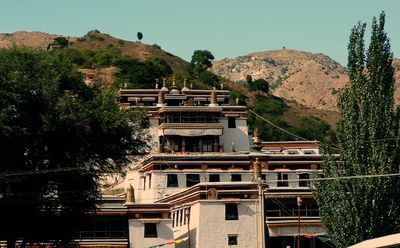
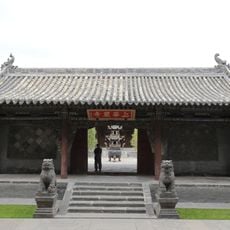
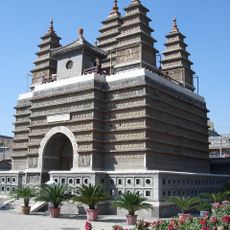
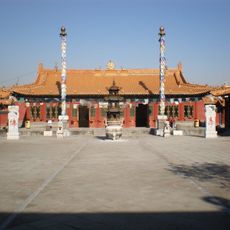
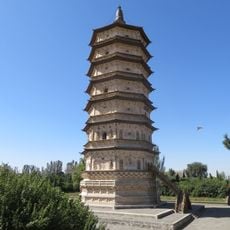
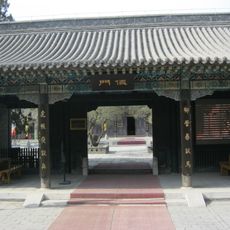
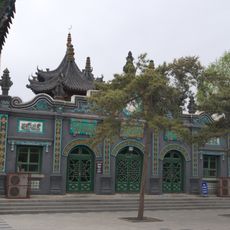
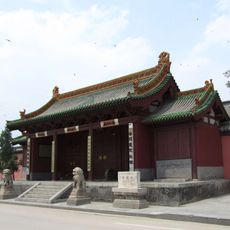
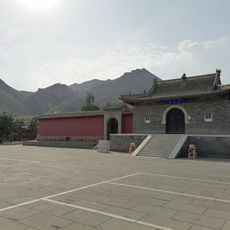
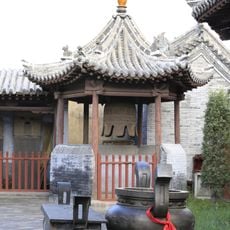
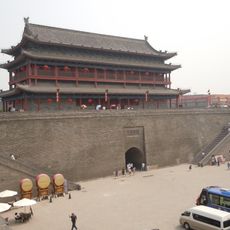
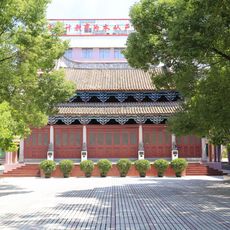
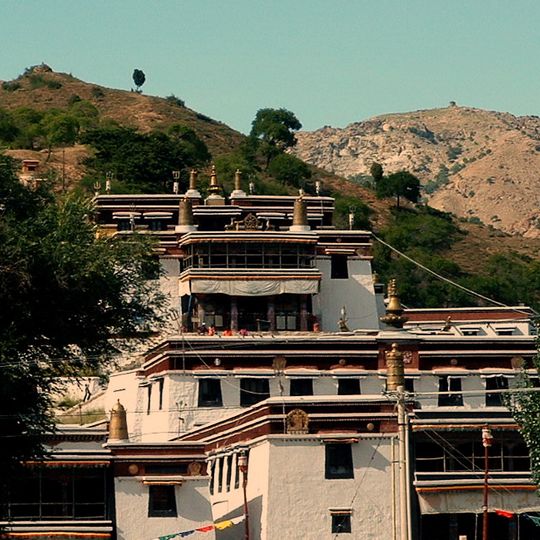
Wudang Lamasery is a Tibetan Buddhist monastery composed of multiple halls arranged in ascending levels, showcasing traditional Buddhist architecture throughout. The buildings contain prayer wheels, bronze lion statues, and various Buddhist shrines positioned in their interior spaces.
The complex started as a royal palace in 1690 during the Qing Dynasty, then was transformed by Emperor Qianlong into a temple for Tibetan monks in 1744. This conversion made it an important center of Tibetan Buddhism in eastern China.
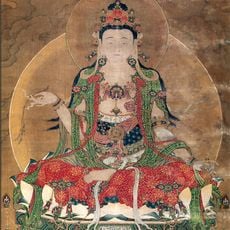
The name reflects a blend of Tibetan and Chinese spiritual traditions, visible in how the halls are decorated and used for worship. Visitors can watch pilgrims turning prayer wheels and making offerings at the various altars throughout the complex.
The grounds are easily walkable and relatively level, though some halls sit on raised platforms that require climbing stairs. The best time to visit is in the morning or early afternoon when crowds are lighter and lighting is better for photography.
One hall contains one of the largest wooden Buddha statues in the world, carved from precious sandalwood. This figure is so massive that it passes through multiple floors of the building and extends beyond the roof line.
The community of curious travelers
AroundUs brings together thousands of curated places, local tips, and hidden gems, enriched daily by 91,255 contributors worldwide.