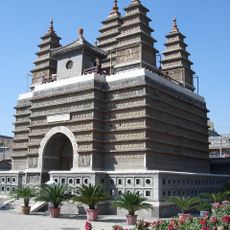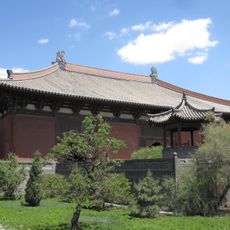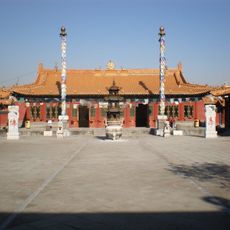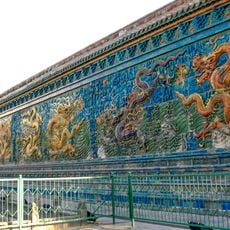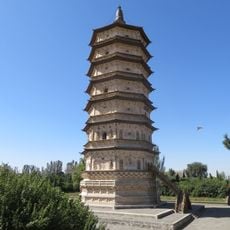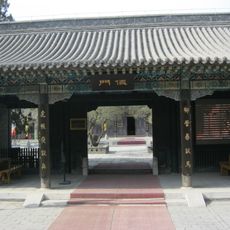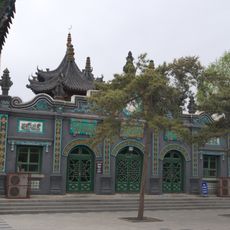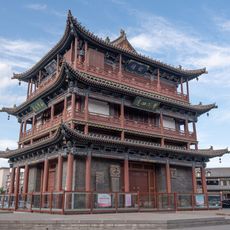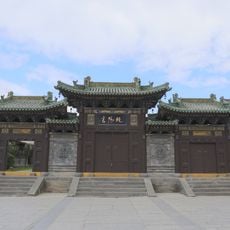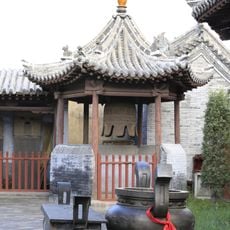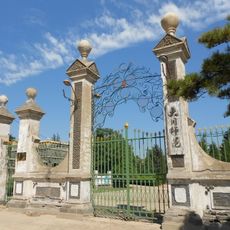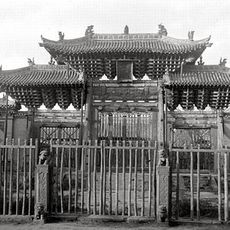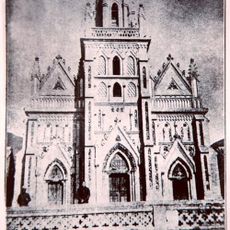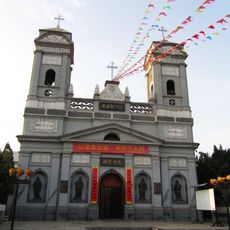
Wusutu Zhao Monastery, Tibetan Buddhist monastery in Hohhot, China.
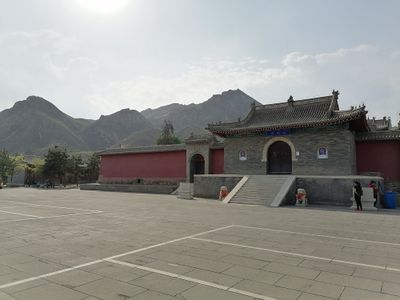
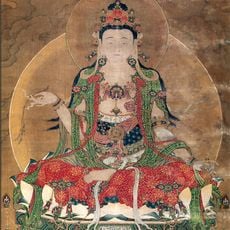
Wusutu Zhao Monastery is a Tibetan Buddhist temple in Hohhot featuring traditional architectural design with finely carved wooden details throughout. The interior walls and ceilings display murals from the Ming Dynasty, creating an artistic environment that fills the spaces.
Founded in 1606, the monastery became a significant religious center during the Qing Dynasty for the growing community of Tibetan monks in Inner Mongolia. Its establishment marked a turning point in the institutional spread of Tibetan Buddhism across the region.
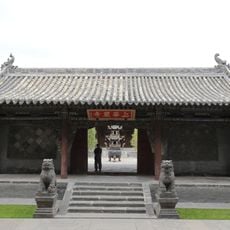
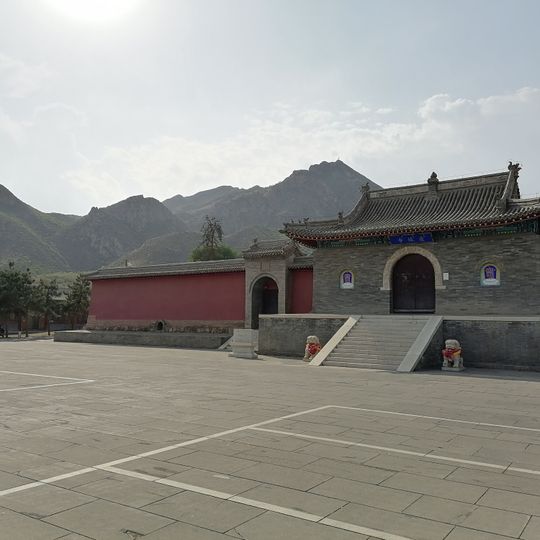
The monastery blends Mongolian architectural elements with Chinese and Tibetan design principles, reflecting how different traditions have coexisted in this region for centuries. Visitors can observe the layout of prayer halls and meditation spaces, which reveal how daily spiritual life has been organized here.
The monastery is accessible for exploration, with multiple buildings and prayer halls open to visitors who want to walk through the spaces. Wearing respectful clothing and remaining quiet during any spiritual activities shows consideration for the place and those who gather there.
The name 'Wusutu' comes from the Mongolian language and means 'near to water', reflecting the monastery's setting at the foot of the Daqing Mountains. This linguistic detail reveals how Mongolian place names have been preserved in the region's geography and cultural memory.
The community of curious travelers
AroundUs brings together thousands of curated places, local tips, and hidden gems, enriched daily by 91,690 contributors worldwide.