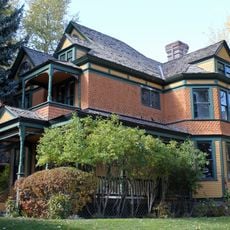
Pioneer Park, Historical landmark in Aspen, United States.
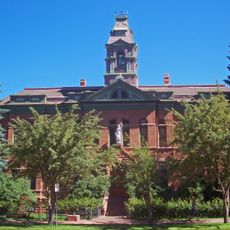
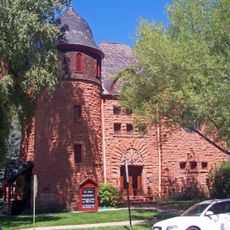
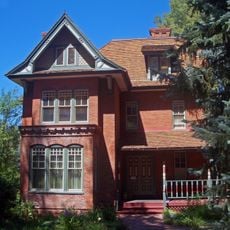
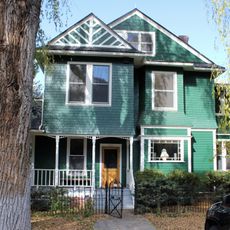
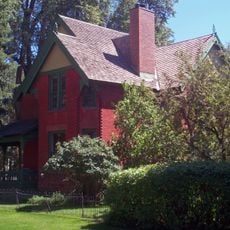
Pioneer Park is a historic site in Aspen, Colorado, that houses the Henry Webber House, a structure featuring a distinctive mansard roof and ornamental details characteristic of Second Empire style. The building shows how architectural styles from the East reached mountain regions and adapted to local conditions.
The Henry Webber House was built during the height of Aspen's silver boom, when the city was growing rapidly and wealthy entrepreneurs built residences featuring modern Eastern architecture. The site was added to the National Register of Historic Places in 1987, formally recognizing its importance to Colorado's development.
The name Pioneer Park is written on the glass transom above the front doors, though the house has always been a private residence. Harriet Webber, one of 13 women who spent the winter of 1880 in the mining camp, died in 1881; her reported last words, "Henry will know", fed rumours of suicide or murder before the death was ruled accidental. Her ghost is said to haunt the house.
Pioneer Park is a private residence on the north side of West Bleeker Street between North Third and North Fourth streets in Aspen's West End; it is not open to the public. The house sits in the western part of its lot, with an original iron fence and tall trees along the front. The landscaped eastern section has mature cottonwoods and curving walkways. Main Street is one block south, and downtown is several blocks east.
The mansard roof style of the house was primarily common in French and Northeastern American cities, making it rare in Colorado mountain regions. This uncommon architectural choice shows how Aspen's wealthiest residents imitated the most refined styles of their era.
The community of curious travelers
AroundUs brings together thousands of curated places, local tips, and hidden gems, enriched daily by 93,806 contributors worldwide.