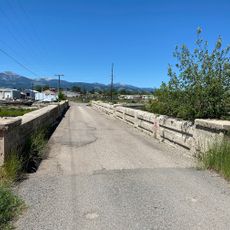
Butte-Anaconda Historic District, Mining district in Walkerville, Butte and Anaconda, Montana, US.
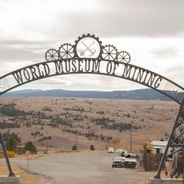
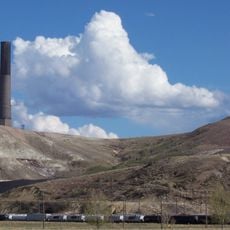
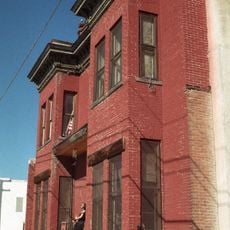
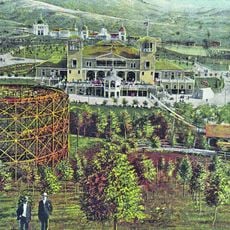
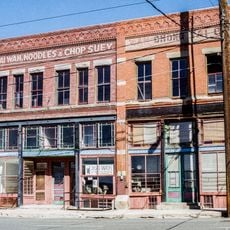
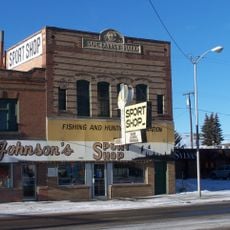
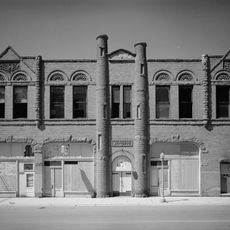
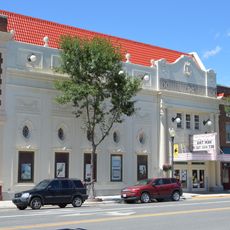
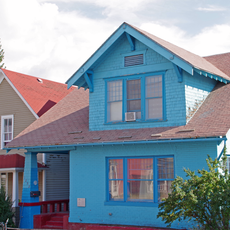
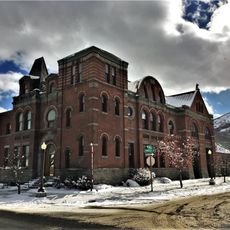
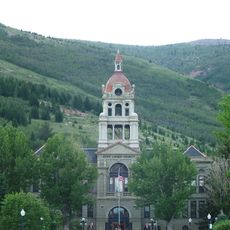
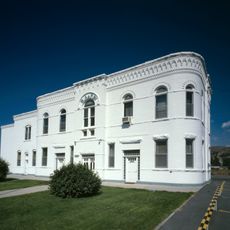
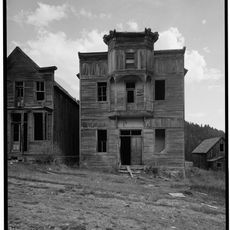
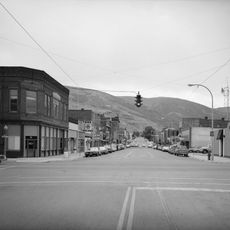
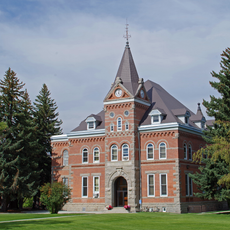
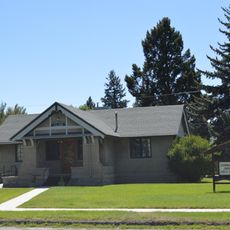
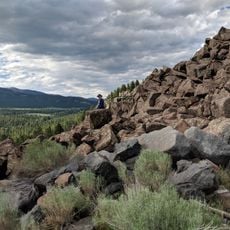
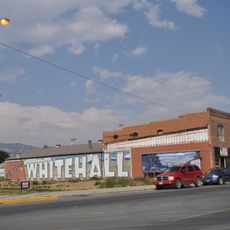
The Butte-Anaconda Historic District covers 9,774 acres across Walkerville, Butte and Anaconda, Montana, with nearly 6,000 contributing properties. Walkerville keeps its 1890s–1910s mining-camp layout, Butte sets mine yards and head frames beside homes and businesses, and Anaconda holds the smelter town built for Butte's ore. The bed of the Butte, Anaconda and Pacific Railroad is part of the district.
The district was declared a National Historic Landmark in 1961, initially covering only Butte. In 2006 it was expanded to include parts of Walkerville and Anaconda and the bed of the Butte, Anaconda and Pacific Railroad, reaching 9,774 acres with nearly 6,000 contributing properties. Its national significance rests on copper production and on the development of the U.S. labor union movement.
Butte was called the "Gibraltar of Unionism": a miners' union formed here in 1878, and its members helped found the Western Federation of Miners and the Industrial Workers of the World. The 1914–1920 labor strife, including the murder of Frank Little and the Anaconda Road Massacre, drew national attention.
The district is large and spreads across three communities, so it helps to plan ahead about which areas you want to visit. Guided tours and walking routes help you explore the mining facilities, neighborhoods, and industrial sites in an organized way.
A railroad line connecting Butte and Anaconda was built specifically to transport copper ore between the mining sites and survives today. This railway shows how extensive and carefully planned the infrastructure for copper extraction was.
The community of curious travelers
AroundUs brings together thousands of curated places, local tips, and hidden gems, enriched daily by 94,419 contributors worldwide.