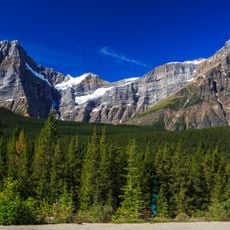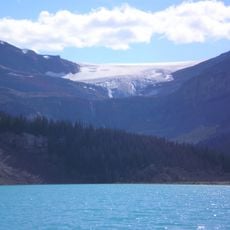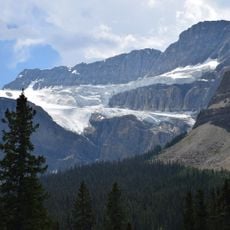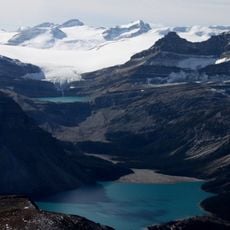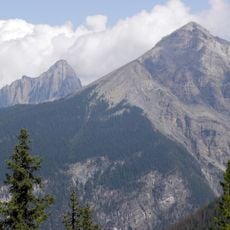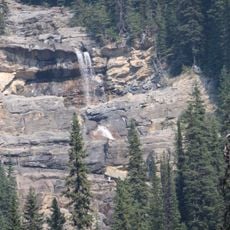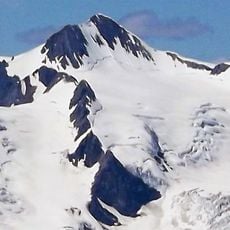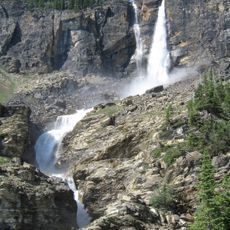
Peyto Glacier, Mountain glacier in Banff National Park, Canada
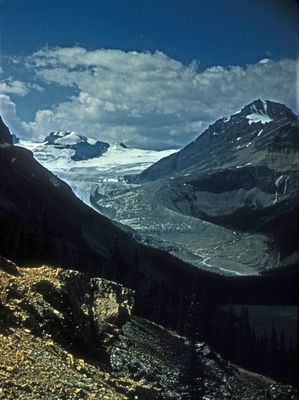
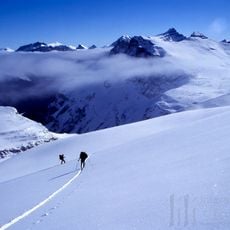
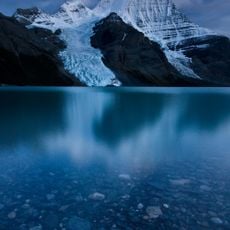
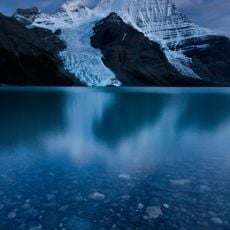
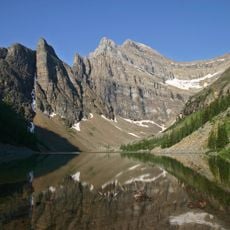
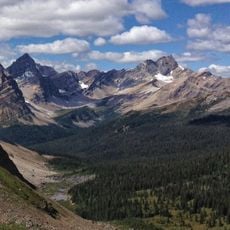
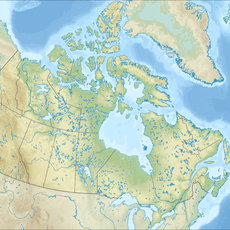
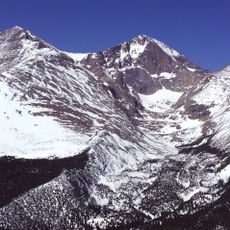
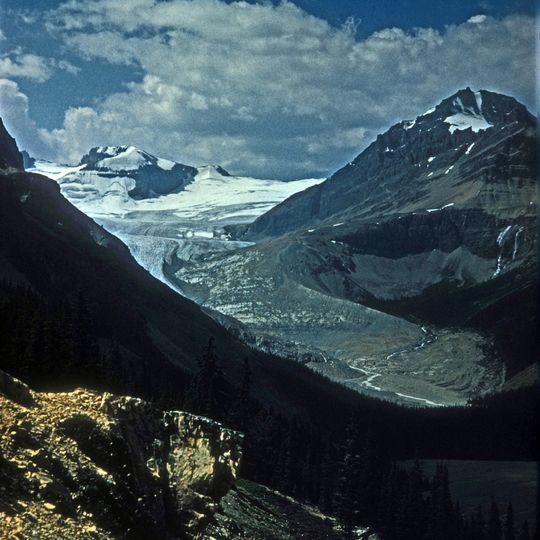
Peyto Glacier is a large ice mass in the Canadian Rockies, Alberta, forming part of the Wapta Icefield along the Continental Divide. It sits at high elevation and releases meltwater that flows downward into the valleys below.
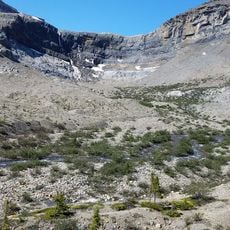
The glacier was first recorded scientifically in 1896, when explorer Walter D. Wilcox photographed it during a mountain expedition. Comparing those early images with the glacier today shows how much ice has been lost over the decades.
Scientists from around the world come here to study how climate change affects glaciers and ice movement. This research work has made the site important for understanding how glaciers behave and change.
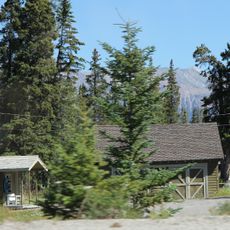
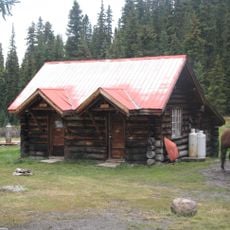
The glacier is accessible from the Icefields Parkway via a marked trail with a parking area and information panels at the trailhead. Warm layers and sturdy footwear are strongly recommended, as conditions at this elevation can change without warning.
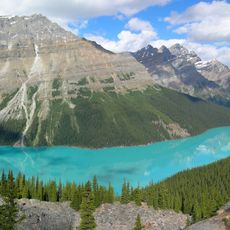
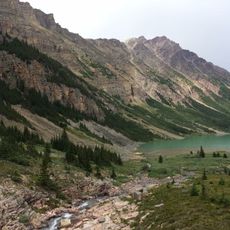
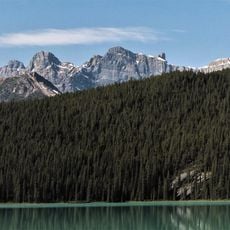
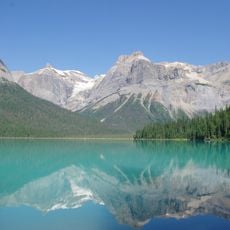
The meltwater from the glacier carries extremely fine rock particles known as glacial flour, which give Peyto Lake its well-known turquoise color. These particles are so tiny that they stay suspended in the water and scatter sunlight in a way that changes the lake's color through the seasons.
The community of curious travelers
AroundUs brings together thousands of curated places, local tips, and hidden gems, enriched daily by 90,970 contributors worldwide.