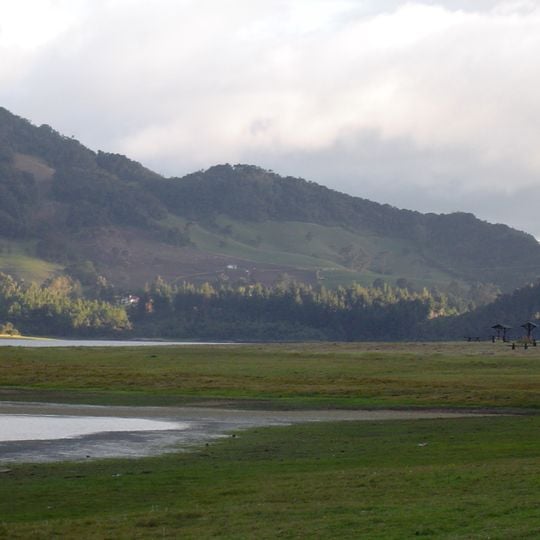
Bogota savanna, Highland plateau in central Colombia
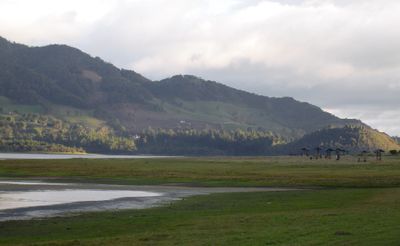
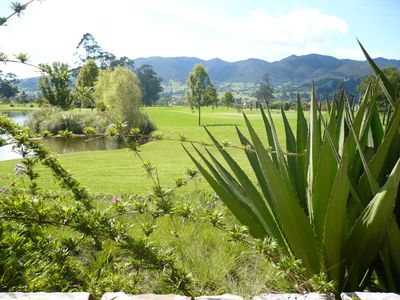
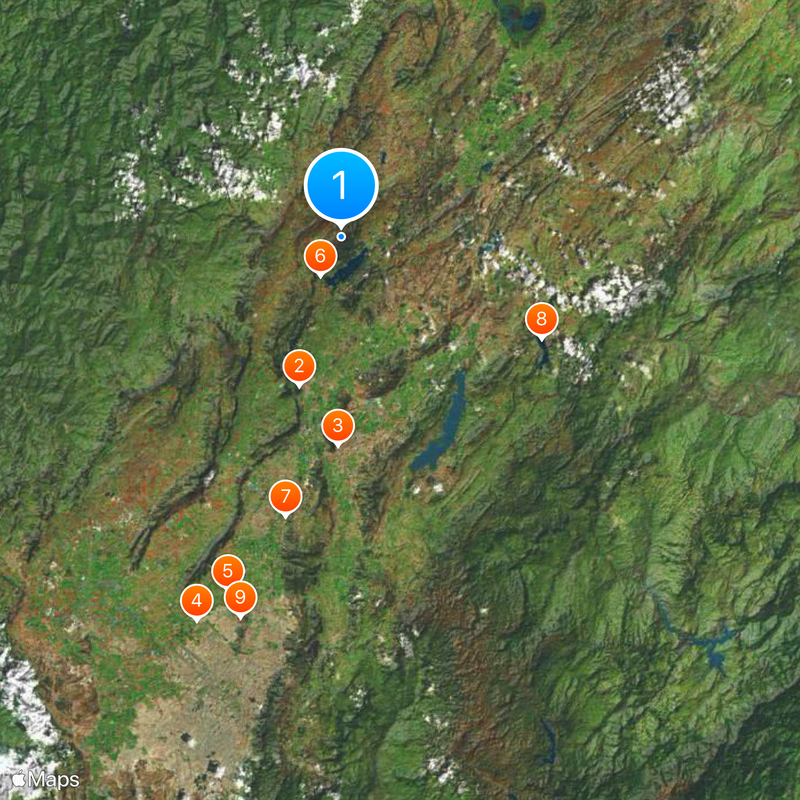
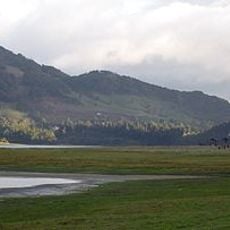
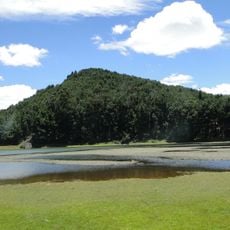
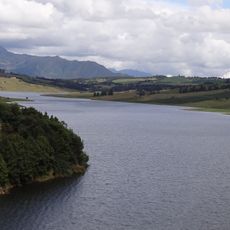
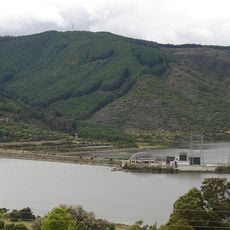
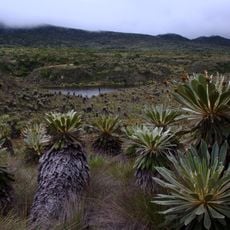
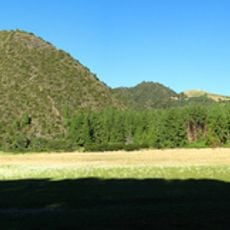
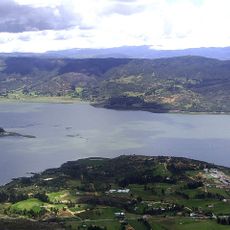
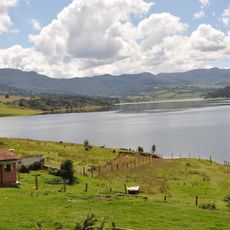
The Bogota savanna is a highland plateau in the Colombian Andes at central elevation, dominated by agricultural fields and natural landscapes. The terrain forms the basin where the capital sits and is shaped by multiple river systems and varying elevations.
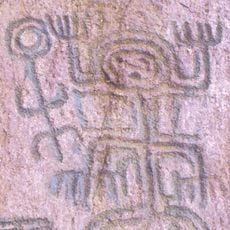
The region was originally the heart of the Muisca realm, where this civilization farmed and mined gold before European conquistadors arrived in 1537. Contact with the Spanish fundamentally transformed the area and introduced new political and social orders.
The plateau has been the country's center for flower and potato cultivation for centuries, with farmers tending their fields daily. This agricultural tradition shapes the character of the region and connects people to the land they work.
The plateau is easily reached by public bus from the capital, and most paths between villages and fields are walkable. The high elevation means visitors should take time to adjust, especially if just arriving.
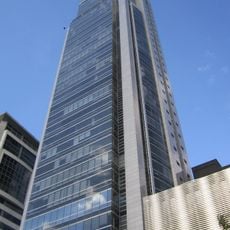
This region hosts the capital at one of the highest elevations where a major city operates, with millions of people living and working daily. Adaptation to such extreme altitude is a genuine physical challenge for people from lower elevations.
The community of curious travelers
AroundUs brings together thousands of curated places, local tips, and hidden gems, enriched daily by 90,766 contributors worldwide.