Bayraktar Mosque, Ottoman mosque in Nicosia, Cyprus
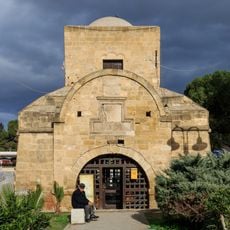
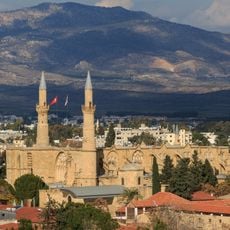
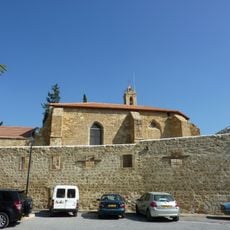
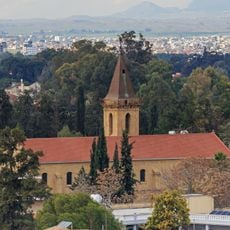
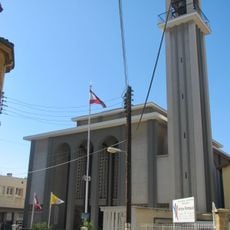
The Bayraktar Mosque is a rectangular building with three arches forming the front porch and a minaret rising from its corner. Inside, the prayer hall and tomb chamber occupy separate but adjacent spaces within the structure.
The mosque was built on the spot where a flag bearer died during the 1570 conquest of Cyprus, and it was named to honor this event. After the island's division in the late 20th century, it remained closed for many years until a major restoration brought it back into use in 2003.
The mosque is named after a flag bearer who died during Cyprus's conquest, and this connection to military history still shapes how locals perceive the place today. The combination of prayer space and tomb creates a setting where worship and remembrance happen side by side.
The mosque stands inside the Constanza bastion of the Venetian walls, in the southern part of Nicosia, and its entrance is reached through a sharp pointed arch bearing the repair inscription. The tomb chamber is divided off at the corner near the entrance, with the minaret against its wall. It reopened for worship in 2003, so it functions as a working mosque rather than a monument.
The relic kept here until 1930 was said to be part of Muhammad's beard; visitors kissed it three times and touched it to their foreheads on religious occasions. It was stolen on 27 November 1930, and no record explains how the mosque had acquired it.
The community of curious travelers
AroundUs brings together thousands of curated places, local tips, and hidden gems, enriched daily by 94,307 contributors worldwide.