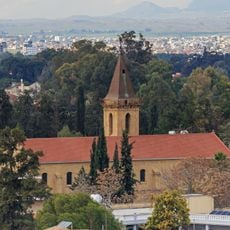
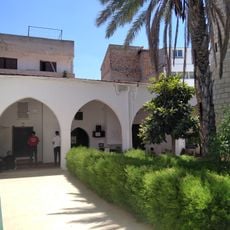
Old Nicosia aqueduct, 18th-century aqueduct in Nicosia, Cyprus.
The stone aqueduct runs through the city with eleven arches built using precise construction techniques that remain visible today. The system was designed with a gentle slope to move water efficiently across the urban landscape.
Built in the 18th century during the Ottoman period, the aqueduct carried water from the mountains north of Nicosia into the walled city, running from Kyrenia Gate to Famagusta Gate. This section was named the Silihtar Aqueduct after the Ottoman governor of the time. Eleven of its arches were later found hidden inside a newer building during its demolition, showing signs of extensive decay.
The aqueduct's surviving section is named the Silihtar Aqueduct after the Ottoman governor in office when it was built. It carried water from the northern mountains to fountains in the city's inner quarters, running between Kyrenia Gate and Famagusta Gate.
The best way to see it is by walking the streets in the city center where different segments of the aqueduct remain visible. It is easier to visit early in the morning or late afternoon when the streets are less crowded.
When buildings were demolished in recent decades, long-hidden sections of the aqueduct suddenly became visible, revealing additional arches that had been concealed. These discoveries show that the system was larger than previously understood.
The community of curious travelers
AroundUs brings together thousands of curated places, local tips, and hidden gems, enriched daily by 94,092 contributors worldwide.