Geography of Dominica, Geography of the island country of Dominica
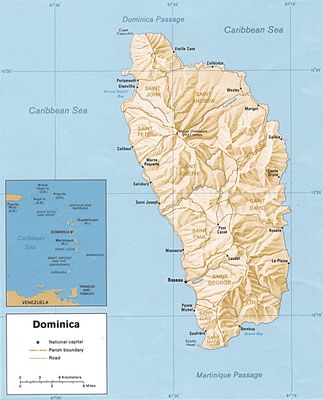
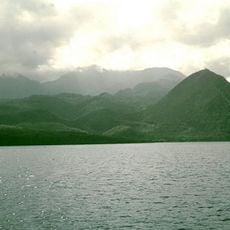
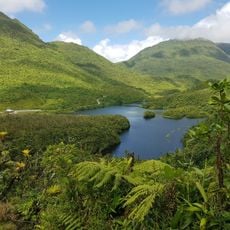
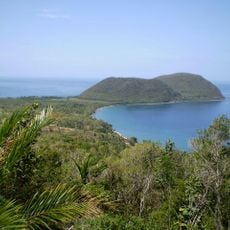
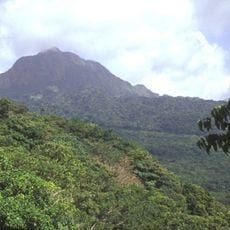
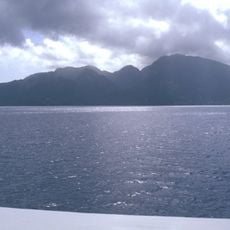
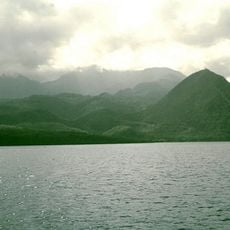
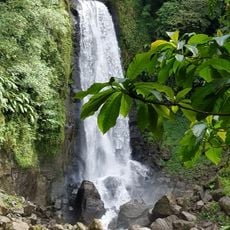
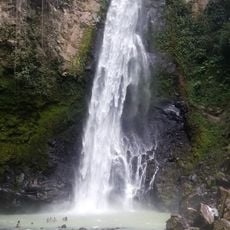
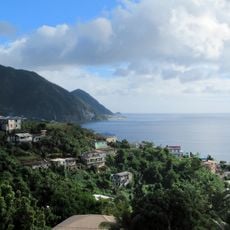
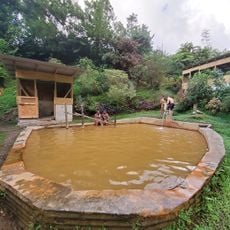
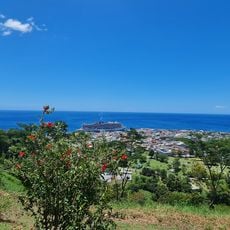
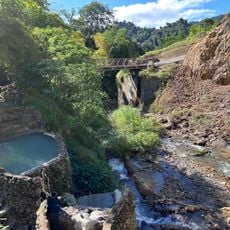
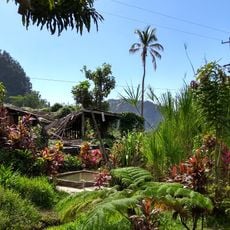
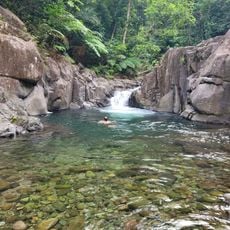
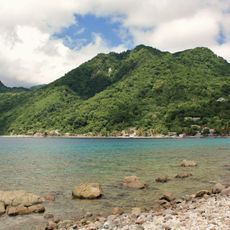
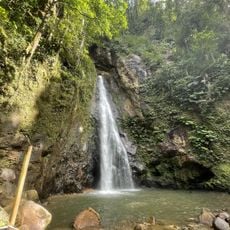
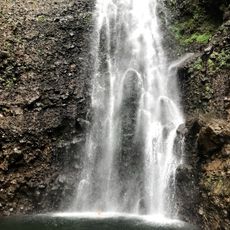
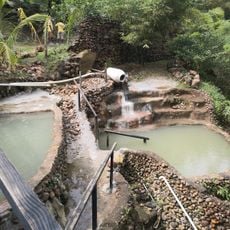
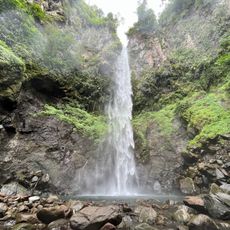
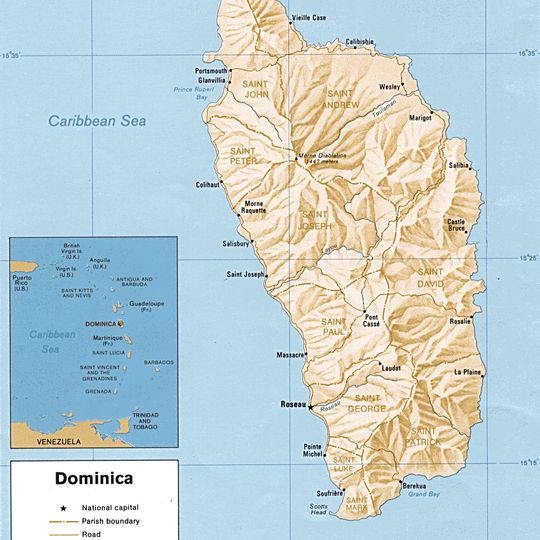
Dominica is a geographic region in the Lesser Antilles shaped by steep volcanic mountains and thick rainforests. The landscape is crisscrossed by numerous rivers, hot springs, and crater lakes, with the highest peak, Morne Diablotins, rising above 1,400 meters (4,600 feet).
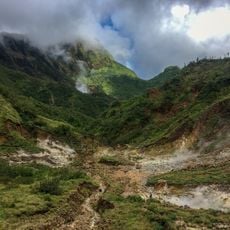
The island formed millions of years ago through volcanic activity and has been shaped by repeated eruptions and seismic forces. These geological processes created the rugged landscape with steep slopes and deep gorges that define it to this day.
The island holds deep meaning for its people as a natural treasure, with its name reflecting the abundance of life found here. Daily life is shaped by the rivers, forests, and hot springs that are woven into the community's relationship with the land.
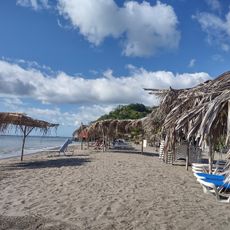
The climate is tropical and warm year-round, with temperatures typically between 75 and 86 degrees Fahrenheit (24 to 30 degrees Celsius) along the coast. The rainy season from June to November brings frequent showers and makes the eastern side much wetter, so the west coast is often more accessible for visitors.
Boiling Lake is the second largest hot lake in the world and sits in a starkly steep crater landscape that few visitors know about. The lake is heated by underground volcanic forces and shows how active geological processes still work beneath the island today.
The community of curious travelers
AroundUs brings together thousands of curated places, local tips, and hidden gems, enriched daily by 92,026 contributors worldwide.