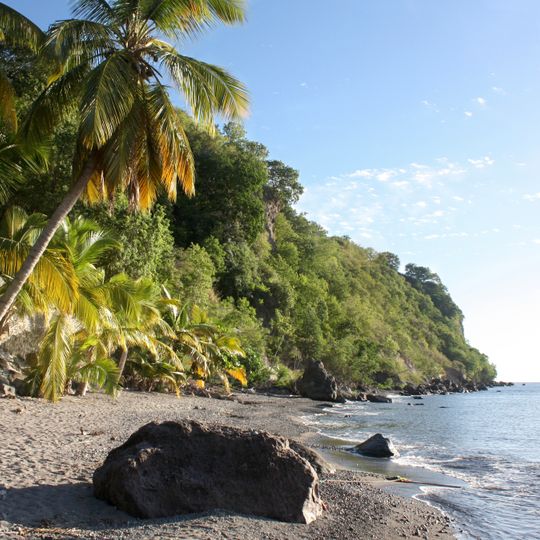
Dominica, Island nation in Caribbean Sea
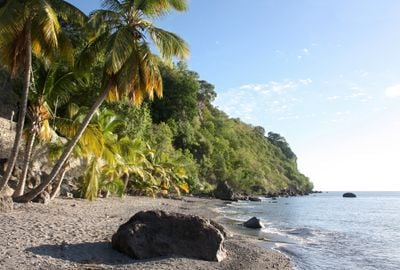
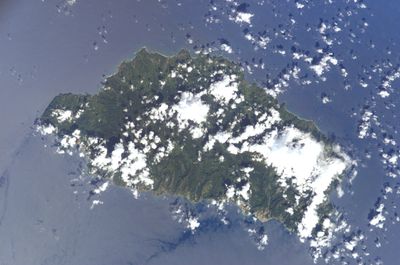
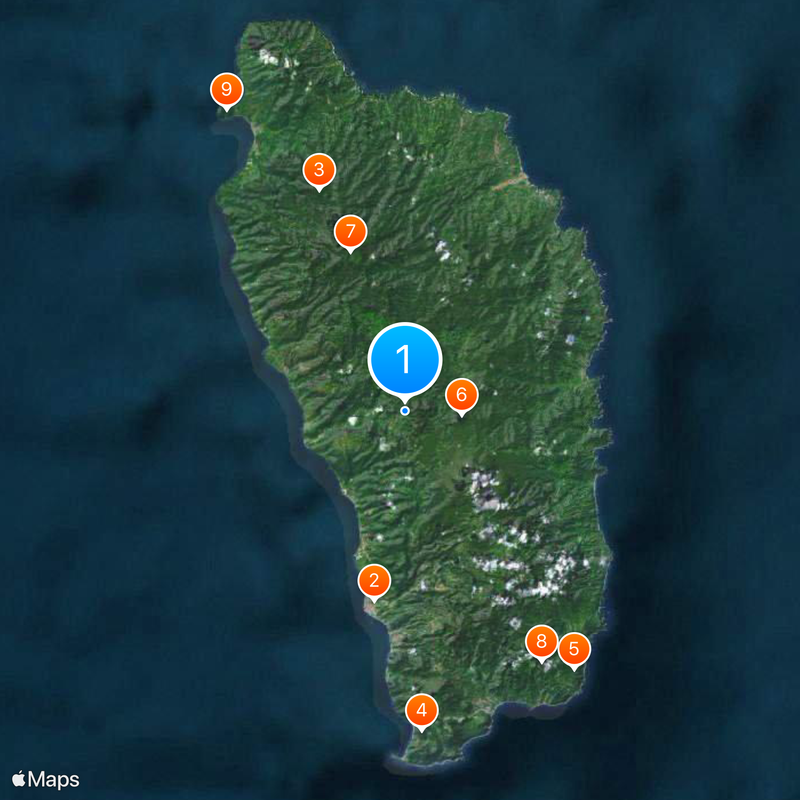
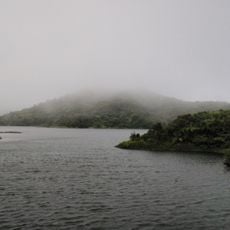
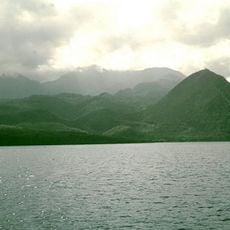
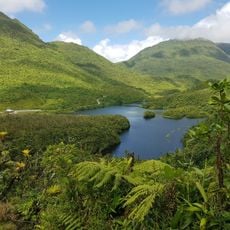
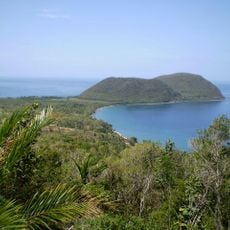
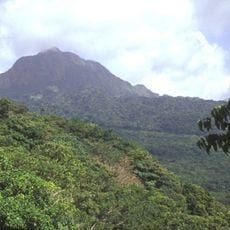
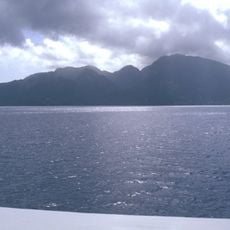
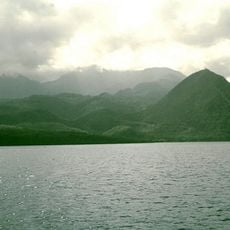
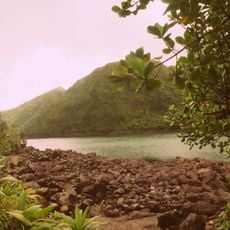
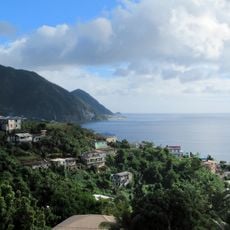
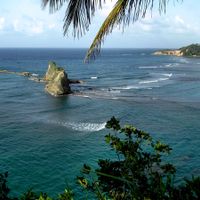
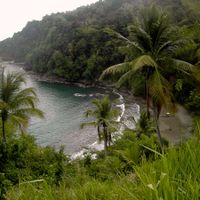
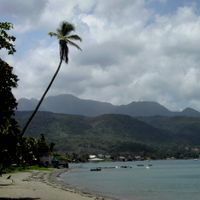
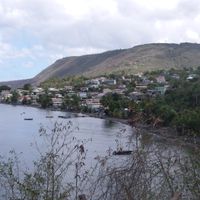
Dominica is an island country in the eastern Caribbean, positioned between Guadeloupe to the north and Martinique to the south. Volcanic peaks rise above dense rainforests, and hundreds of rivers flow from the central highlands down to narrow coastal plains.
European settlers arrived in the 18th century after the Kalinago population prevented foreign settlement for nearly two centuries. France and Britain alternated control before British rule began in 1763 and lasted until independence in 1978.
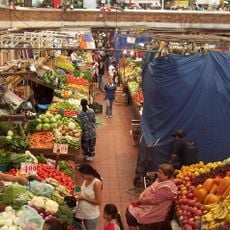
The island's Kalinago name, Wai'tu kubuli, means "tall is her body" and refers to the steep green slopes that dominate the landscape. This original name is still used in local conversations and appears on handicrafts sold in coastal markets.
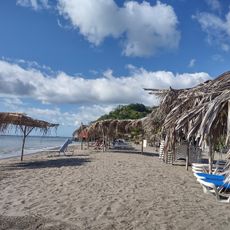
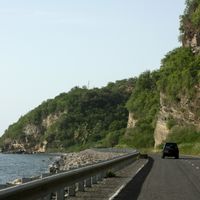
The international airport sits in the northeast, while most coastal towns and the capital are connected by paved roads. Rainy season runs from June through November, while drier months typically occur from December through May and often provide better conditions for hiking.
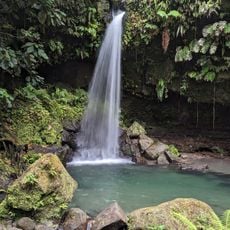
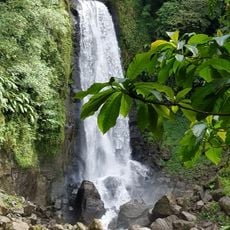
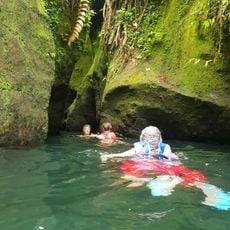
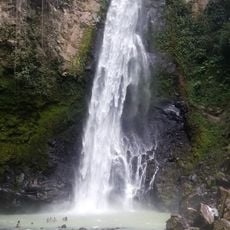
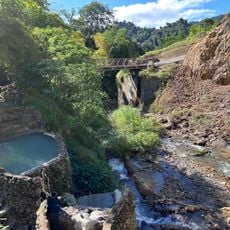
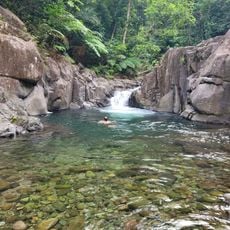
More than 300 rivers cross the territory, even though none of the waterways runs longer than 18 kilometers. The numerous waterfalls and pools form from the heavy rainfall that falls annually in the mountainous interior.
The community of curious travelers
AroundUs brings together thousands of curated places, local tips, and hidden gems, enriched daily by 91,238 contributors worldwide.