Ammergau Alps, Mountain range in Bavaria and Tyrol
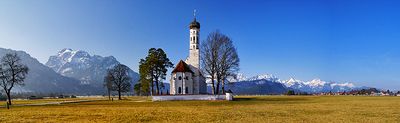
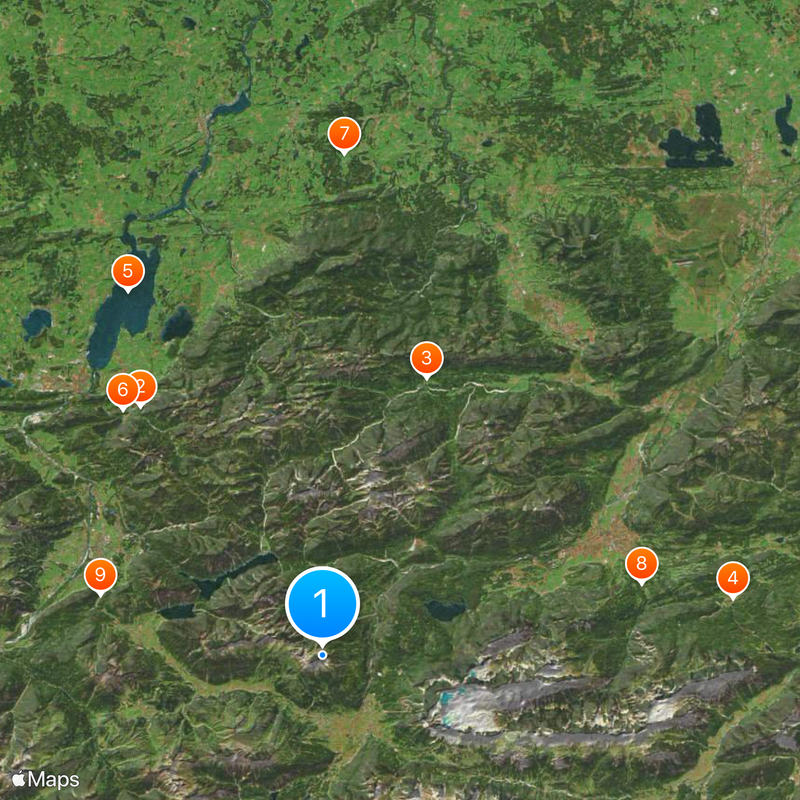
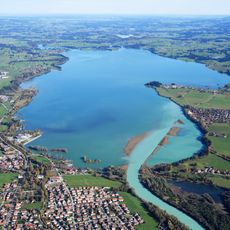
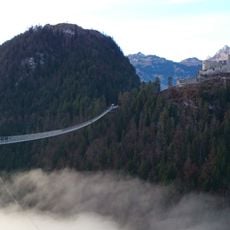
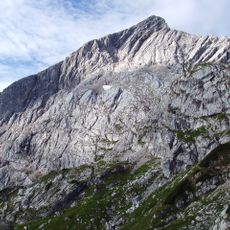
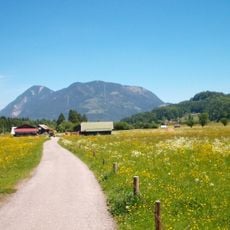
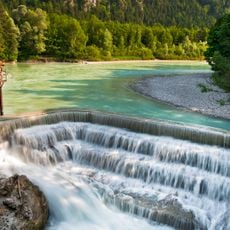
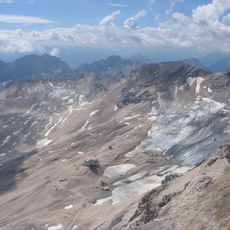
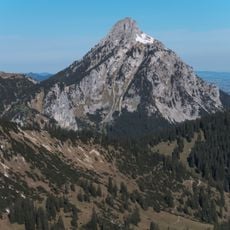
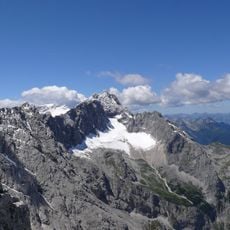
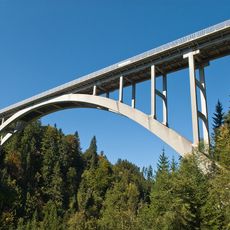
The Ammergau Alps form a mountain range spanning between Germany and Austria, built from limestone and studded with peaks around 2340 meters high. The massif is defined by deep valleys where villages, mountain pastures, and passes create a varied landscape.
The mountain range developed through continental plate collisions roughly 65 million years ago during a major geological event. This process shaped the limestone composition and created the steep slopes and valleys visible today.
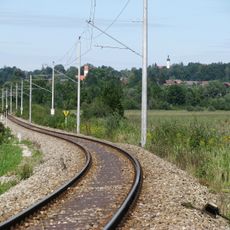
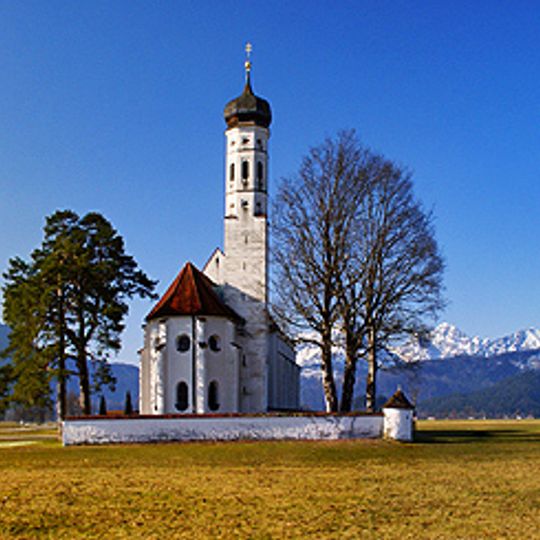
The villages at the foot of these mountains maintain traditional building styles and farming practices that have been passed down through generations. Visitors can experience this living culture in the settlements scattered throughout the valleys as they hike between different communities.
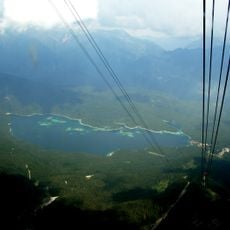
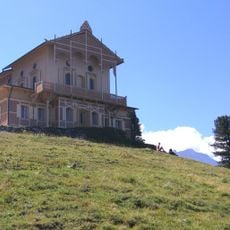
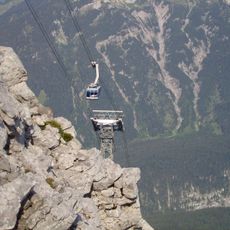
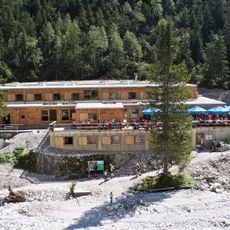
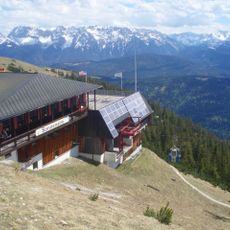
Two cable car systems can carry visitors to higher elevations, while several mountain huts offer overnight stays between 1390 and 1602 meters. A network of marked trails allows hiking of varying difficulty to suit different fitness levels.
The region contains about two dozen raised bogs that have long supplied materials for local spa treatments and wellness products. Rare plants including the Spirke tree and Mount Baldo sedge thrive in these wetland areas.
The community of curious travelers
AroundUs brings together thousands of curated places, local tips, and hidden gems, enriched daily by 60,000 contributors worldwide.