Old Synagogue in Sarajevo, 16th-century synagogue in Baščaršija, Bosnia and Herzegovina.
The Old Synagogue in Sarajevo is a rectangular stone building oriented north-south, measuring about 23 metres along its west side and 11 metres across. Its walls of dressed and semi-dressed stone are 110 cm thick, and the interior is divided into three aisles by columns. A walled cobbled courtyard with niches and iron double doors surrounds the south and east sides, and a brick annex was added on the north in 1909.
Sijavuš-paša, the Rumelian beglerbeg, funded a large residential complex for Sephardic Jews expelled from Spain in 1566; by the end of the 16th century the first synagogue, the Old Jewish Temple, stood in its courtyard. Fires in 1697 and 1788 damaged the building; after Ottoman permission in 1794 it was restored in 1821. The last prayer was held six days after the April 1941 occupation, and the synagogue later served as a prison and a warehouse.
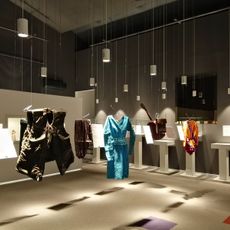
The building now houses the Jewish Museum of Bosnia and Herzegovina, showing objects and documents about Jewish life in the region. Visitors can explore traces of the community that lived in Sarajevo for centuries.
The museum occupies the Old Synagogue in the Baščaršija quarter of Sarajevo's Stari Grad. The building is oriented north-south, with a cobbled courtyard enclosed by stone walls on its south and east sides. Three wide double iron gates give access to the courtyard. Inside, the space is divided into three aisles by columns.
The synagogue carries several names, including Il Kal Grandi (Great Temple), Il Kal Vježu (Old Temple), Kortiž and Čifuthana. It stands on the site of Sijavuš-paša's daira, the Great Courtyard, a residential complex he funded for Sarajevo's poor Sephardic Jews.
The community of curious travelers
AroundUs brings together thousands of curated places, local tips, and hidden gems, enriched daily by 93,497 contributors worldwide.