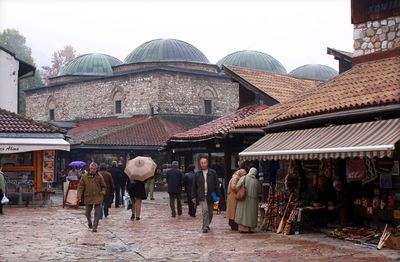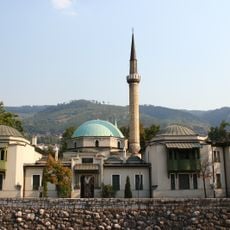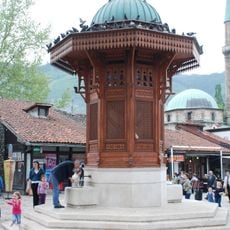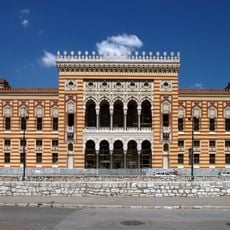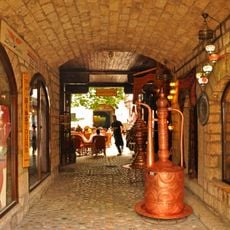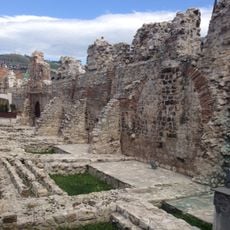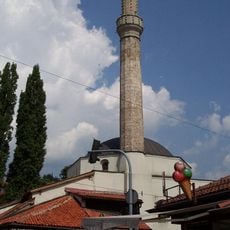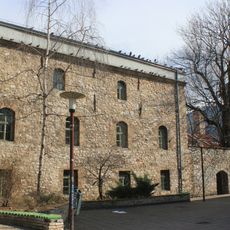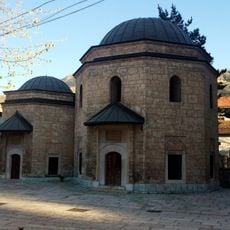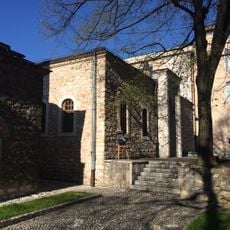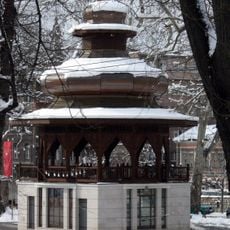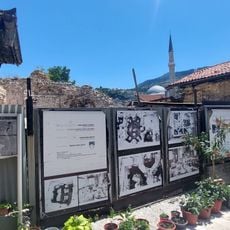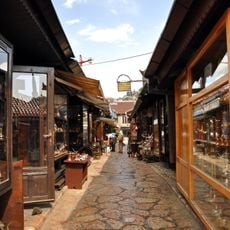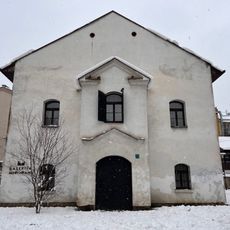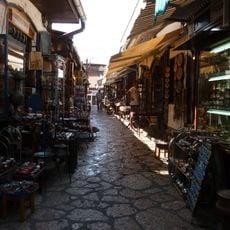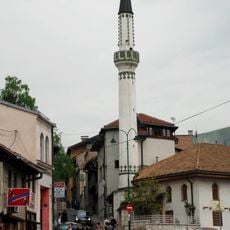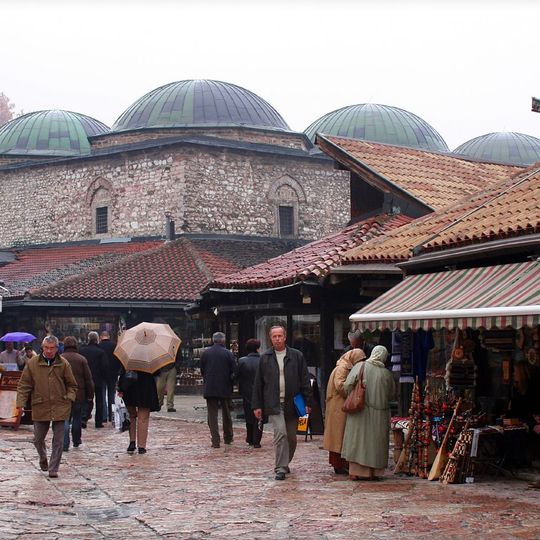
Brusa bezistan, Ottoman market hall in Stari Grad, Bosnia and Herzegovina.
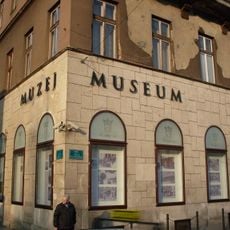
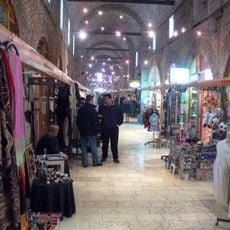
Brusa bezistan is a rectangular stone market hall with six domes on its roof and four entrances, one on each side. It links the craft streets Kundurdžiluk, Veliki and Mali Čurčiluk with Abadžiluk and the Baščaršija. Built in 1551, it now houses a department of the Museum of Sarajevo.
Rustem-pasha, grand vizier under Sultan Sulejman the Magnificent, ordered this market hall built in 1551 as a major trading center. The construction was part of a broader development of Sarajevo during the Ottoman Empire's height in the region.
The name preserves a memory of Bursa, the Turkish city whose silk once filled its halls, connecting this building to trade routes that shaped the region. Walking inside, you can still sense how merchants organized their stalls and goods within the stone structure.
The building sits directly in Bascarsija, the oldest quarter, and is easy to reach on foot. The interior spaces are tight and the ceiling is low, so prepare for a close, enclosed feeling inside.
Brusa bezistan is named after Bursa, the Turkish city from which silk was brought and sold here. Unlike Gazi Husrev-beg's bezistan, where groceries were originally traded, this hall also sold household items and small furniture alongside silk.
The community of curious travelers
AroundUs brings together thousands of curated places, local tips, and hidden gems, enriched daily by 93,918 contributors worldwide.