Ključ Castle, Medieval fortress in Gacko Municipality, Bosnia and Herzegovina.
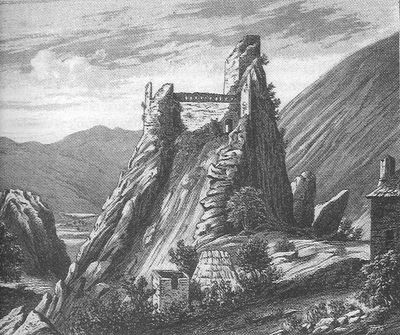
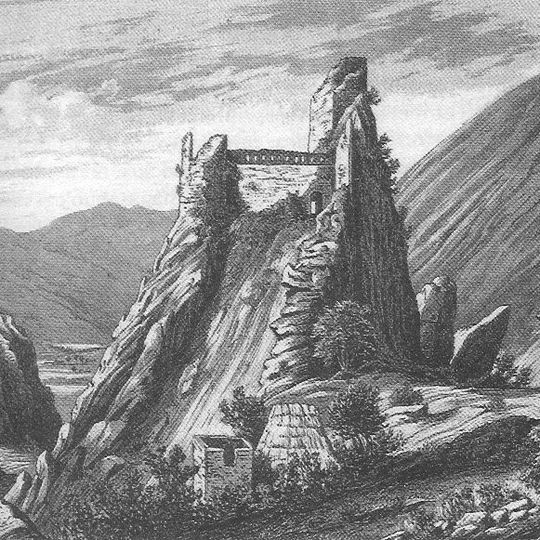
Ključ Castle is a limestone fortress complex in Gacko Municipality built on a high rocky hilltop, featuring a square main tower, defensive walls, and ramparts at an elevation of about 521 meters (1,710 feet). The remains are still visible today and show the construction methods and defensive layout of the medieval period.
Ključ was the residence of Grand Duke Sandalj Hranić, who issued most of his charters there, and later of Stjepan Vukčić Kosača. Ottoman mobile troops were repelled in July 1463, and Dubrovnik refused supplies to the besieged fortress in late 1465. Vlatko Kosača held it from 1464 to 1468, and it fell in 1469 to Ajas Pasha, governor of Herzegovina.
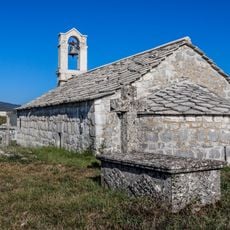
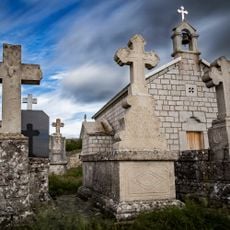
The name Ključ means "key", fitting a fortress that watched the Dubrovnik–Goražde trade road above the Roman-era settlement of Cernica. Fifty metres from the ruins stands the Ključ Mosque, also called Ajnebeg-dede Mosque, Ključ Captains' Mosque or Starica, with its harem, the walled burial ground. The whole area is a national monument of Bosnia and Herzegovina.
The ruins stand on a steep limestone outcrop reached by an uneven climb, so sturdy footwear is needed. The upper town entrance has door frames 1.70 m high and 0.80 m wide, with steps cut above the threshold leading to the guard path. The Ključ Mosque lies on Begova bašča hill, fifty metres from the old town.
Ključ held out longer under Ottoman siege than any other residence of herceg Stjepan Vukčić Kosača. An Ottoman incursion was repelled in July 1463, and at the end of 1465 the duke asked Dubrovnik for supplies for the besieged fortress; the city refused for fear of retaliation. The fortress finally fell in 1469 to Ajas Pasha, governor of Herzegovina.
The community of curious travelers
AroundUs brings together thousands of curated places, local tips, and hidden gems, enriched daily by 94,226 contributors worldwide.