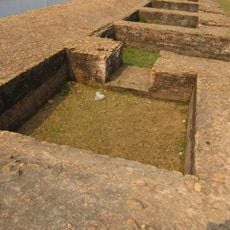
Charpatra Mura, archaeological sites in Mainamati, Comilla, Bangladesh
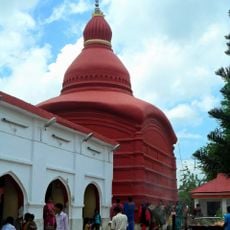
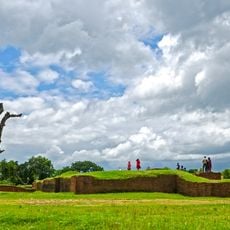
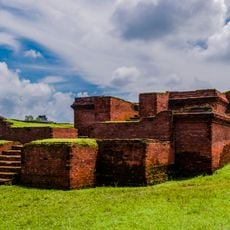
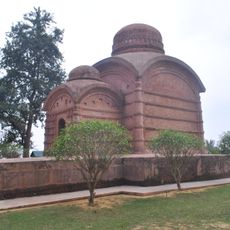
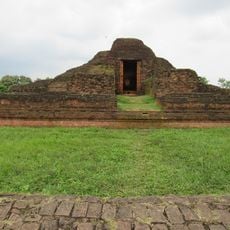
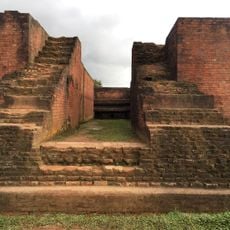
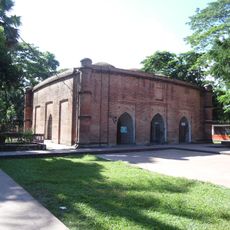
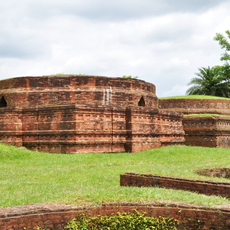
Charpatra Mura is an archaeological site in Mainamati, Cumilla, situated on a small hill in the northern part of the Lalmai ridge. It comprises the remains of a Hindu shrine with two main sections: a damaged front hall with pillars and a better-preserved back chamber with intricate, symmetrical exterior design.
The shrine was likely built or rebuilt around 1000 to 1020 CE by Chandra king Shri-Ladahachandra, who may have derived his name from the worshiped deity. Four copperplates discovered at the site, two issued by this king, directly link him to the shrine's construction or maintenance.
The shrine was dedicated to the Hindu deity Vishnu under the name Ladaha Madhava, as ancient inscriptions reveal. The temple reflects a blend of local Bengali traditions and broader Indian influences visible in its unusual architectural form.
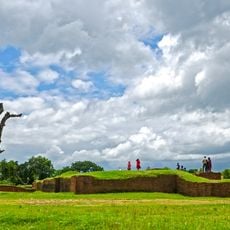
The site sits on a hill about 2.5 kilometers northwest of Kotila Mura within Cumilla's cantonment area and is easily walkable once there. Visitors should take a local vehicle from Kandirpar Circle and arrive early in the day to enjoy the quiet surroundings.
The site owes its name to the four copperplates discovered there: 'Charpatra' means four plates and 'Mura' refers to the mound. These plates are not only the site's namesake but also the primary sources for historical knowledge about the place and the rulers who controlled it.
The community of curious travelers
AroundUs brings together thousands of curated places, local tips, and hidden gems, enriched daily by 91,499 contributors worldwide.