Sauvenière, Former river branch in central Liège, Belgium
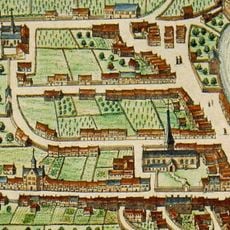
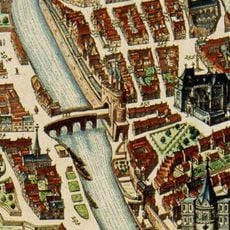
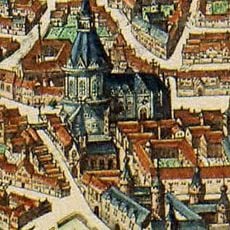
The Sauvenière was a natural branch of the Meuse River that split into several smaller waterways flowing through central Liège. The land between this river arm and the main Meuse formed an island where the current Latin Quarter eventually grew.
In the 10th century, the waterway was channelized under Notger's oversight to manage its flow through the city center. Between 1808 and 1844, it was gradually filled in, with materials from the demolished Saint Lambert Cathedral being repurposed for this work.
The name Sauvenière recalls Latin roots linked to sacred places, marking areas once tied to religious significance in the medieval city. You can still trace the former waterway's path through the street layout and local references today.
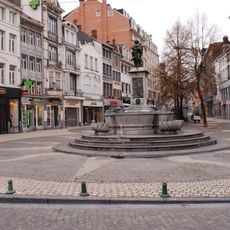
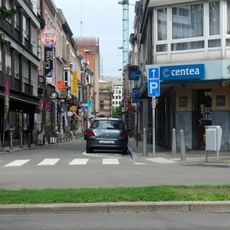
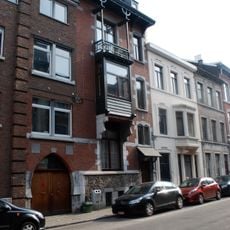
The Boulevard de la Sauvenière now runs where the water once flowed, making it straightforward to follow the historic route through the city. Various markers and plaques along the street point out where the former waterway once passed.
The river branch was not covered all at once but rather filled in gradually over several decades as the city modernized its infrastructure. Underground channels that drain water still exist today, serving as remnants of this former waterway beneath the street.
The community of curious travelers
AroundUs brings together thousands of curated places, local tips, and hidden gems, enriched daily by 92,244 contributors worldwide.