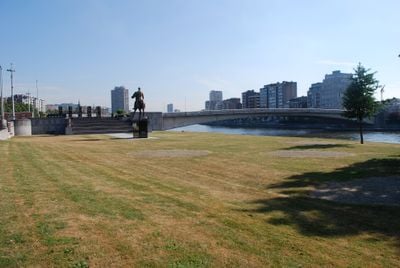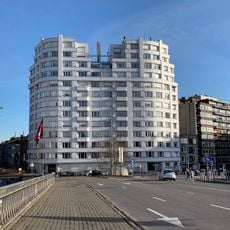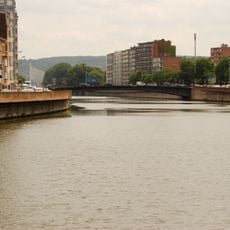
Pont Albert Ier, Major bridge in central Liège, Belgium.
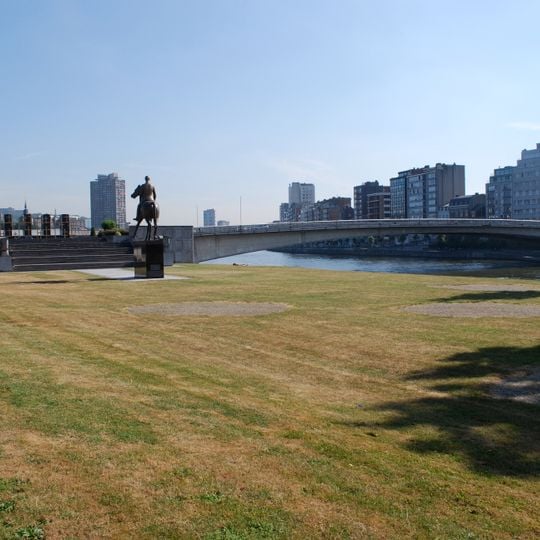
The Albert I Bridge crosses the Meuse River with a main span of 125 meters and features reinforced concrete construction. A lower-level passage beneath the roadway allows pedestrians and cyclists to access the RAVeL W7 pathway network that runs along the river.
The original structure was built in 1866 as Commerce Bridge but was destroyed during World War II. It was rebuilt in 1957 by architect Georges Dedoyard using modern reinforced concrete methods.
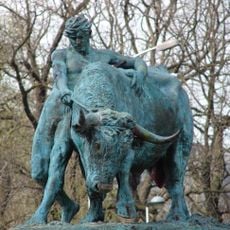
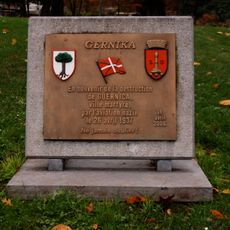
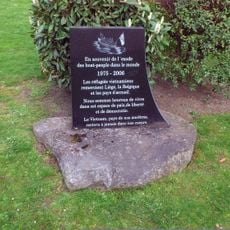
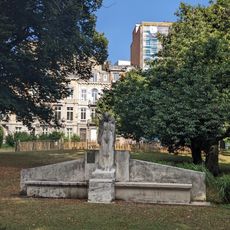
The bridge displays public art installations including a monument to citizens who died for freedom and an equestrian statue of King Albert I. These works serve as reminders of important moments in the city's history and are encountered by locals and visitors crossing the span.
The pedestrian and cyclist path beneath the bridge is easily accessible and provides a direct route along the riverbank. Connecting to the RAVeL network allows visitors to extend trips through the surrounding area without needing to use the main roadway.
A heliport near the bridge operated passenger and mail flights between Liège and Brussels during the 1950s and 1960s. This air service was a key transportation link before it was eventually closed.
The community of curious travelers
AroundUs brings together thousands of curated places, local tips, and hidden gems, enriched daily by 91,364 contributors worldwide.