Minsk, Capital city in Belarus.
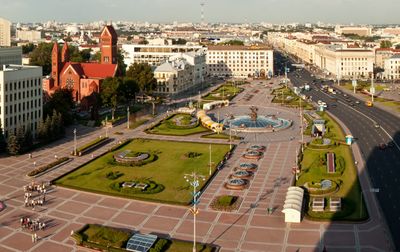
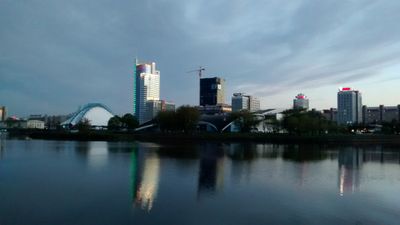
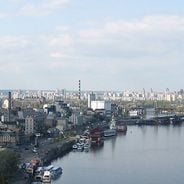
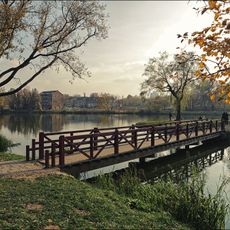
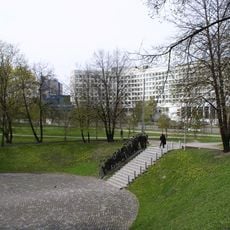
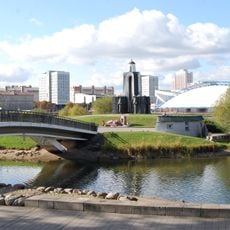
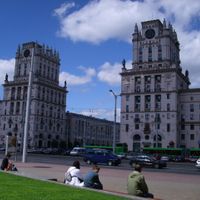
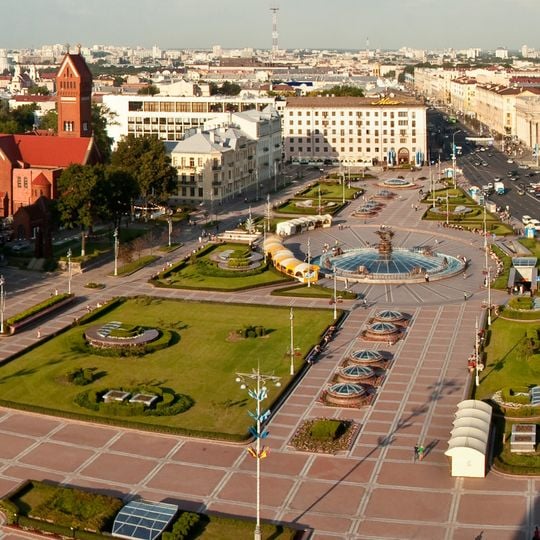
Minsk is the largest city in Belarus and stretches across nine administrative districts with wide avenues, open squares, and green spaces shaped by postwar reconstruction and Soviet planning. The Svislach River runs through the center, creating waterfront promenades and parkland that connect neighborhoods with pedestrian bridges and tree-lined embankments.
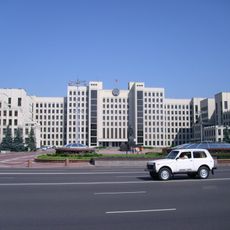
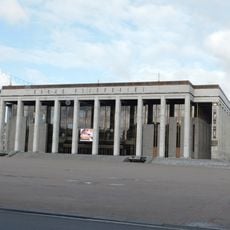
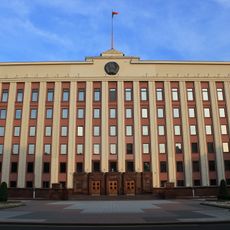
The town appears in Slavic chronicles from the 11th century as a settlement along the Nemiga River, changing hands between principalities and empires over the following centuries. After near total destruction during the Second World War, rebuilding efforts reshaped the urban layout with broad avenues and monumental public buildings.
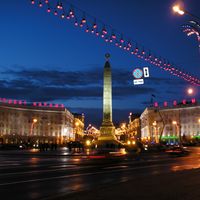
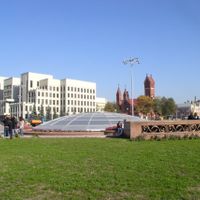
Residents gather in parks for weekend picnics and outdoor chess games, especially near the Svislach River embankment where families walk and cycle together. Evening strolls along Independence Avenue remain a daily habit, with locals meeting at milk bars and Soviet-era cafés that still serve traditional dishes.
The metro network with three lines and over 30 stations runs frequently and connects residential areas with the center, even during off-peak hours when intervals remain short. Visitors can walk through much of the downtown area comfortably, as major sites sit within a few streets of each other along well-marked routes.
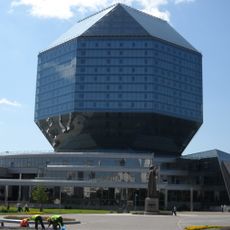
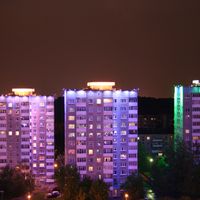
An unusual geometric library building with glass walls lights up at night with shifting LED displays that change colors and patterns across its faceted surfaces. Public viewing platforms on upper floors offer panoramic sightlines over the city, especially after sunset when the streets and monuments below appear illuminated.
The community of curious travelers
AroundUs brings together thousands of curated places, local tips, and hidden gems, enriched daily by 90,803 contributors worldwide.