Great Plains, Plain in central North America.
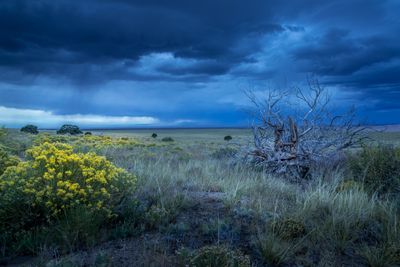
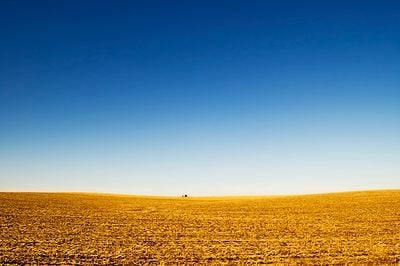
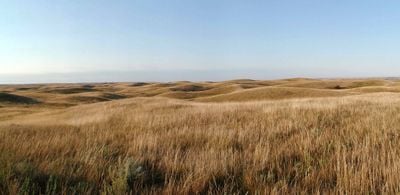
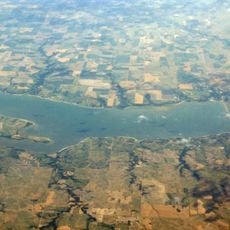
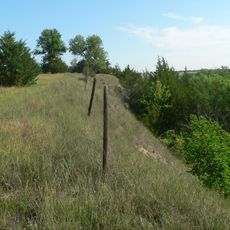
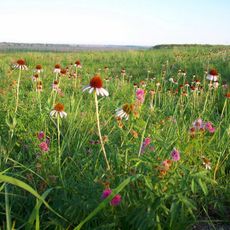
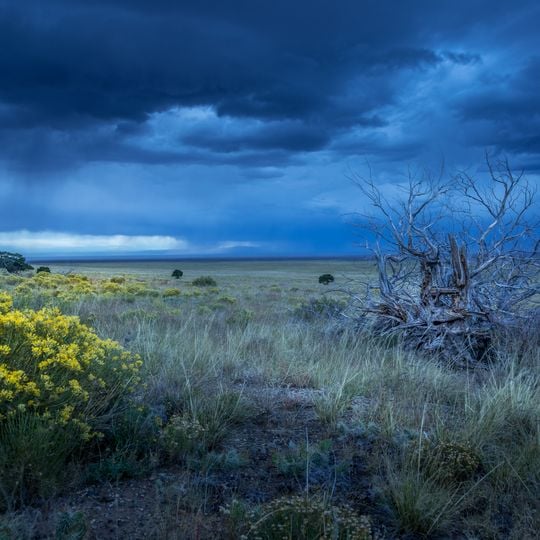
The Great Plains form a wide grassland region across central United States and Canada, reaching from Texas in the south to Alberta in the north. This territory lies between the Mississippi lowlands to the east and the Rocky Mountains to the west, characterized by short grass, rolling hills, and an open horizon that stretches for miles.
Nomadic peoples followed buffalo herds across these grasslands for centuries, moving with the seasons in a constant cycle. By the mid-1800s, settlers began plowing the land and building fences, transforming the open range into farmland and ranches that changed the region forever.
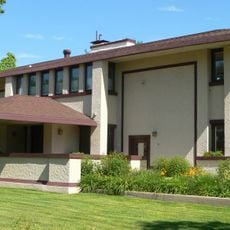
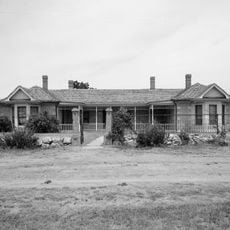
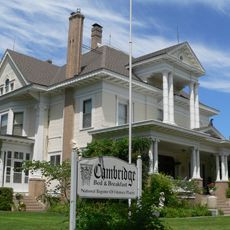
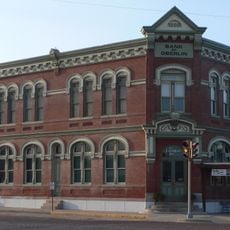
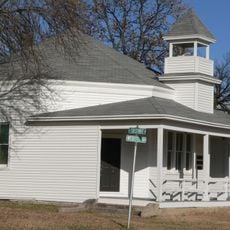
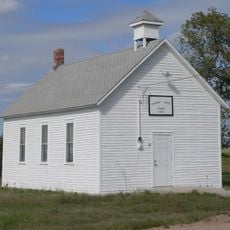
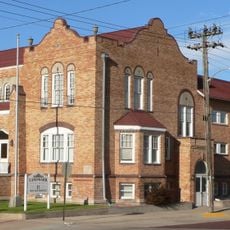
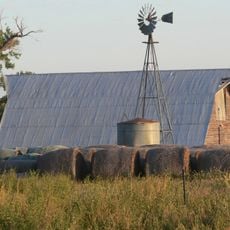
Ranch life and farming still shape the rhythm of communities across the plains, where small towns hold harvest festivals and rodeos throughout the year. Visitors notice grain elevators rising above wide streets, farmers' markets offering local produce, and churches that anchor social life in these rural areas.
Weather changes quickly here, with winter bringing heavy storms and summer turning hot, while strong winds blow through most of the year. Thunderstorms form rapidly due to the flat terrain, and tornadoes can appear during spring and early summer when warm and cool air collide.
Beneath parts of South Dakota lie layers of ancient seabed rock, visible where wind and rain carved deep gullies through soft sediment over thousands of years. These formations reveal fossils from creatures that lived when shallow seas covered the region, long before grasslands appeared.
The community of curious travelers
AroundUs brings together thousands of curated places, local tips, and hidden gems, enriched daily by 92,658 contributors worldwide.