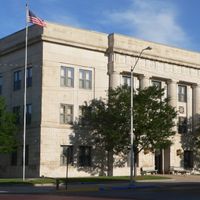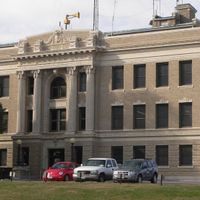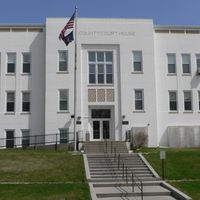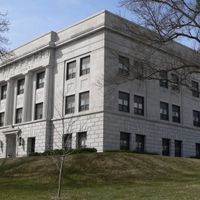
Nebraska, U.S. state in central United States.
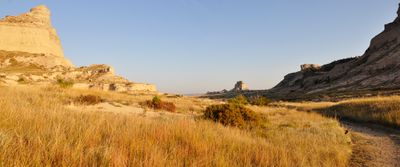
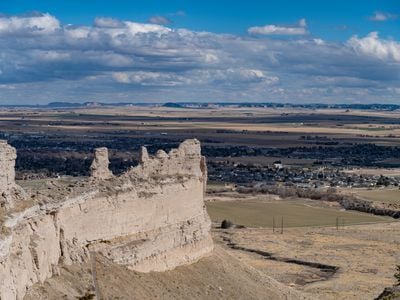
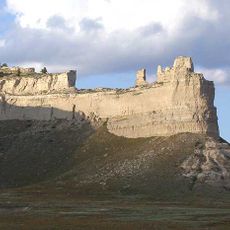
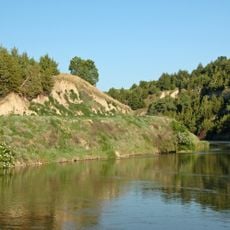
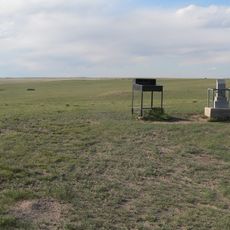
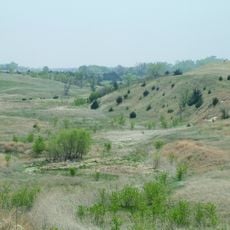
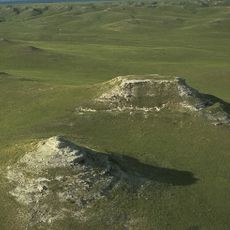
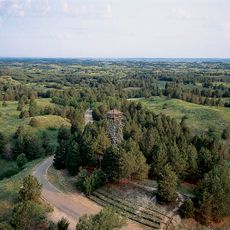
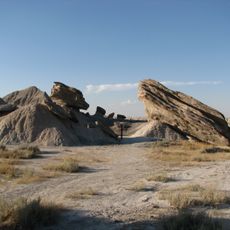
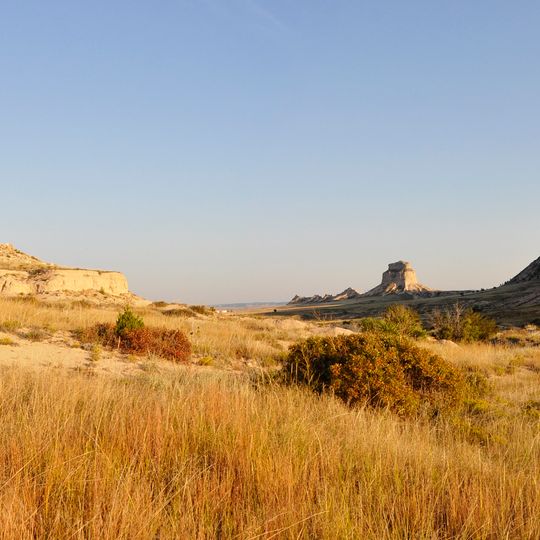
Nebraska is a state in the central part of the United States that extends across two different geographical zones, with the Dissected Till Plains featuring rolling hills in the east and the Great Plains dominating the western portion. The landscape shifts gradually from wooded river valleys to wide grasslands stretching toward the horizon.
The territory became a state on March 1, 1867, after the Civil War ended and settlements formed along transcontinental railroad routes. The railroad brought European immigrants who transformed grassland into farmland and built permanent communities.
Daily life reflects agricultural traditions, with small towns hosting regular harvest festivals and livestock auctions. Local communities often gather in classic diners along the highways, maintaining a culture of hospitality that visitors notice immediately.
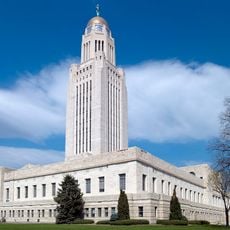
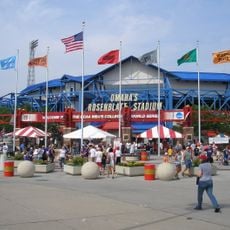
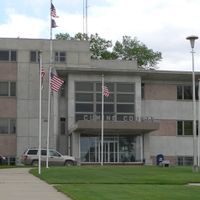
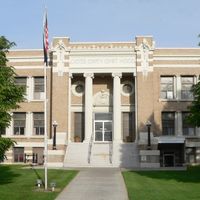
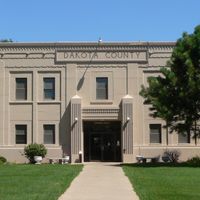
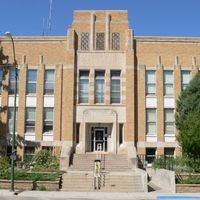
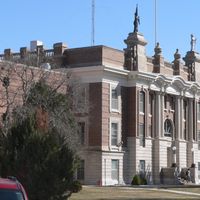
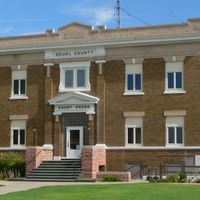
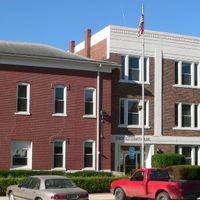
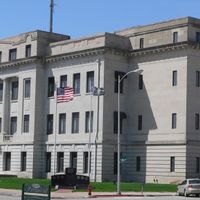
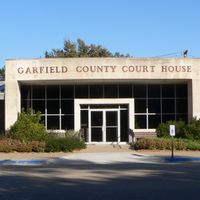
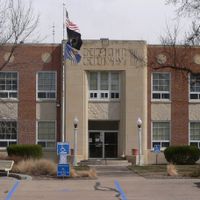
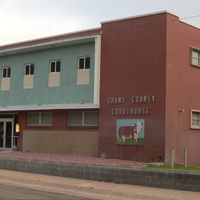
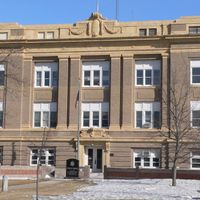
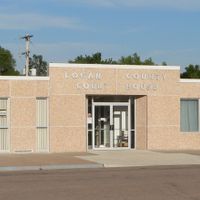
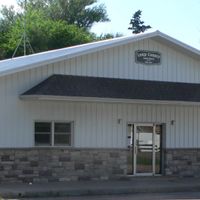
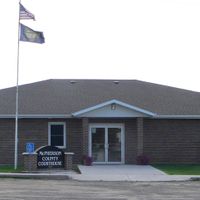
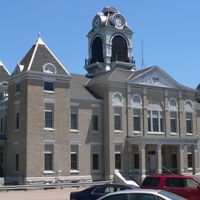
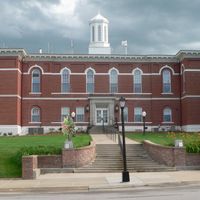
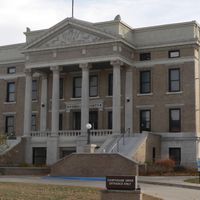
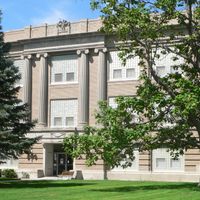
The state includes ninety-three counties and operates with an unusual single-chamber legislature, with Lincoln serving as the capital and Omaha as the largest city. Travelers find the best conditions between May and October when roads remain easily passable and many towns organize local events.
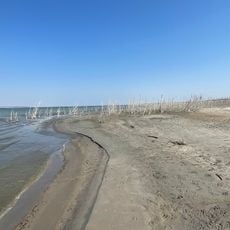
Every spring, roughly 500,000 sandhill cranes stop at the Platte River in the center of the state, forming the largest gathering of these birds in North America. The birds stay for about six weeks and congregate in large groups at shallow river sections just before sunrise and sunset.
The community of curious travelers
AroundUs brings together thousands of curated places, local tips, and hidden gems, enriched daily by 90,798 contributors worldwide.