Ungava Peninsula, Peninsula in northern Quebec, Canada.
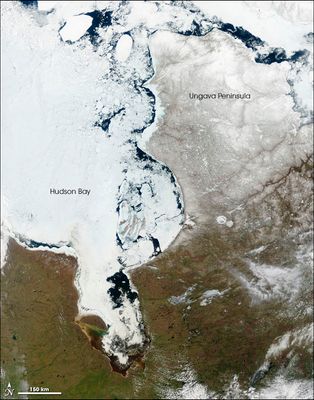
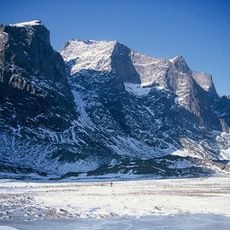
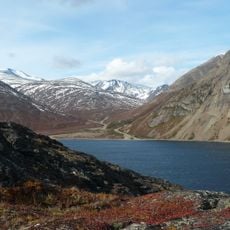
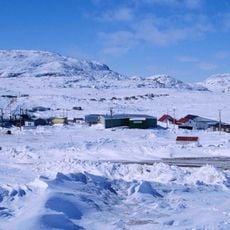
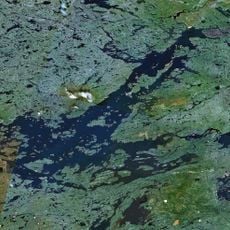
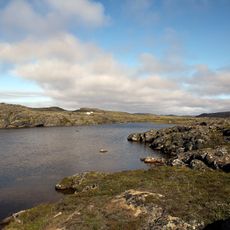
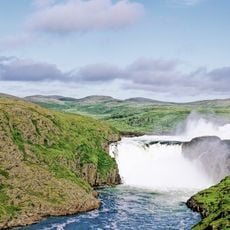
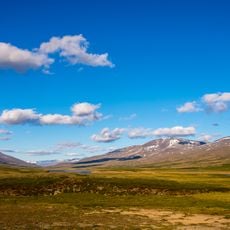
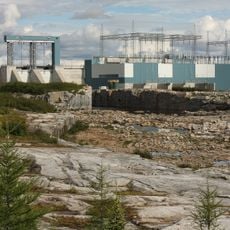
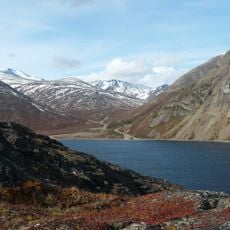
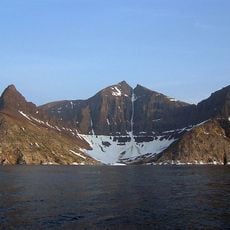
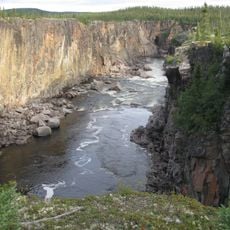
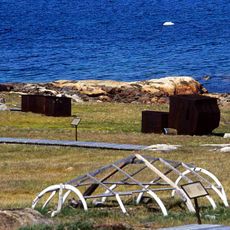
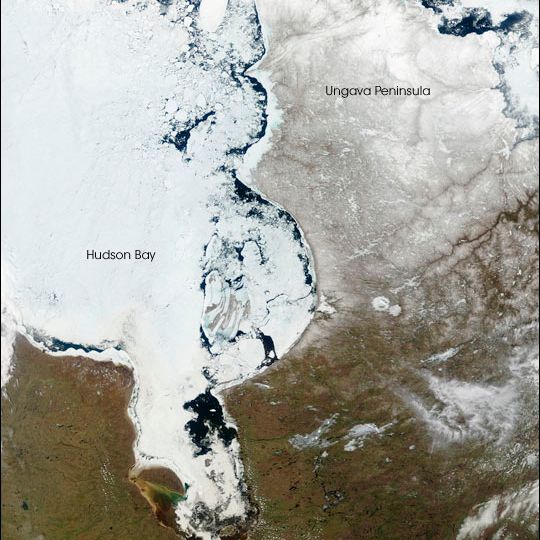
The Ungava Peninsula extends across northern Quebec between Hudson Bay, Hudson Strait, and Ungava Bay, forming a vast and sparsely populated landmass. The terrain is dominated by tundra, cut through by lakes and rivers, while the coastlines feature rocky outcrops and natural harbors.
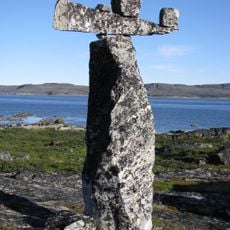
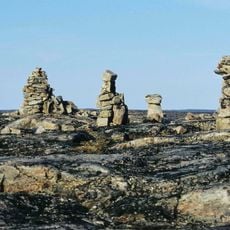
The peninsula emerged from glacial ice roughly 6,500 years ago, ranking among the last areas in North America to break free from the ice age. Inuit peoples have lived here for thousands of years, adapting to harsh conditions and establishing settlements along the coasts.
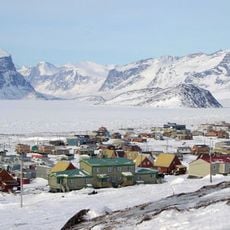
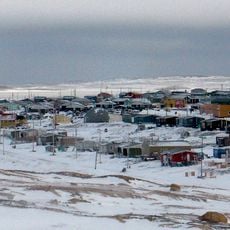
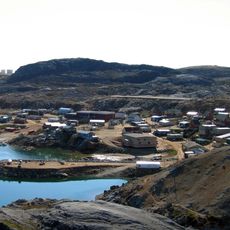
Inuit communities living along the coast have kept their traditions alive while adjusting to life in this remote northern setting. Their connection to the land and sea shapes how the region feels and functions today.
The best time to visit is during the short summer months when ice melts and routes become more accessible. Travelers should prepare for extreme weather and limited facilities, as the region remains sparsely developed and difficult to reach.
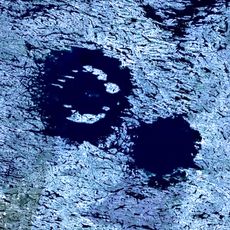
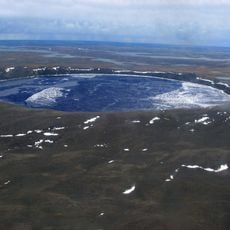
Hidden within the peninsula lies a large impact crater roughly 3.4 kilometers across that cuts deep into permafrost ground. This natural feature formed millions of years ago from a meteor strike and creates an unusual geological formation within the tundra landscape.
The community of curious travelers
AroundUs brings together thousands of curated places, local tips, and hidden gems, enriched daily by 91,652 contributors worldwide.