Boothia Peninsula, Northern peninsula in Nunavut, Canada.
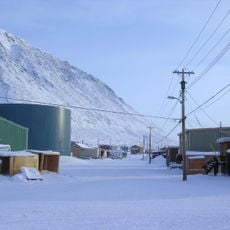
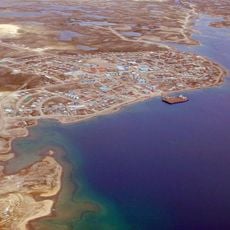
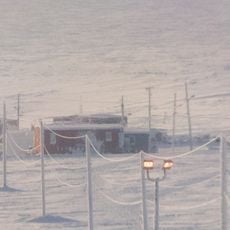
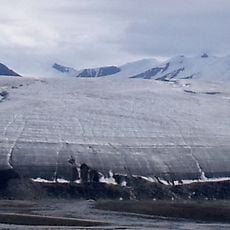
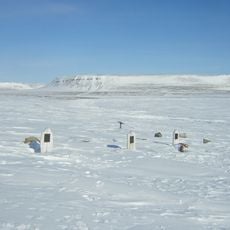
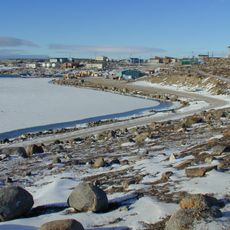
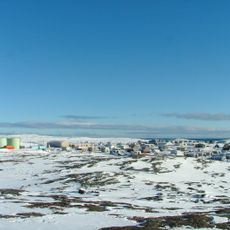
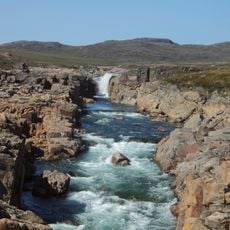
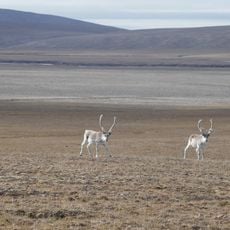
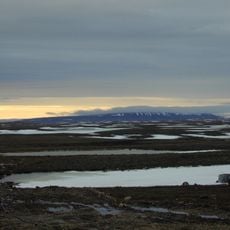
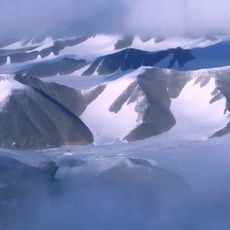
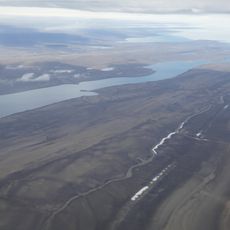
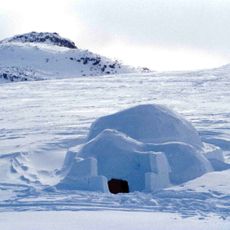
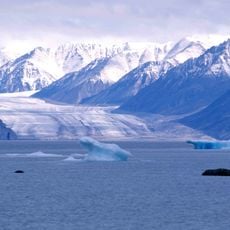
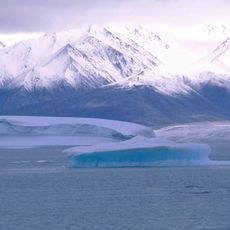
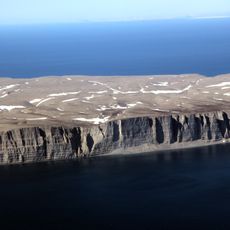
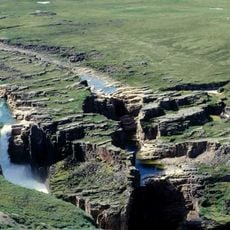
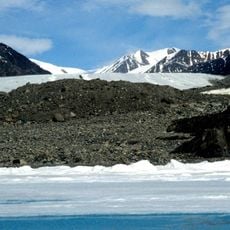
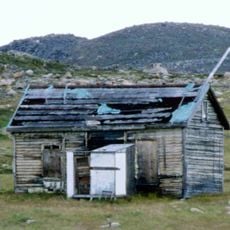
Boothia Peninsula is a large landmass in northern Nunavut that extends far into the Arctic Archipelago. The terrain consists of tundra vegetation and low limestone plateaus shaped by extreme cold conditions.
British explorer John Ross reached the peninsula in 1829 during an expedition funded by Felix Booth. The landmass was named after this financial backer who made the Arctic exploration possible.
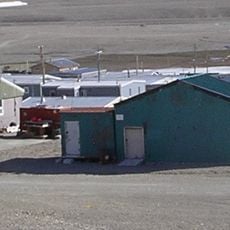
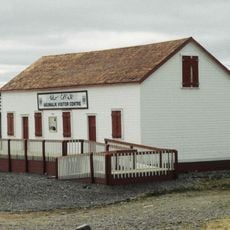
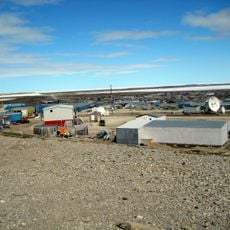
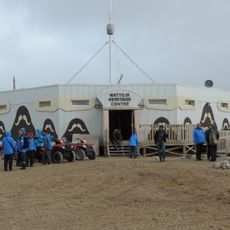
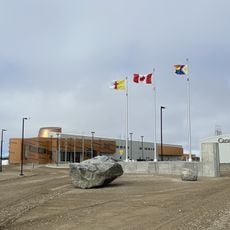
The indigenous community of Taloyoak maintains traditional practices through hunting and fishing activities across the peninsula's vast arctic landscape.
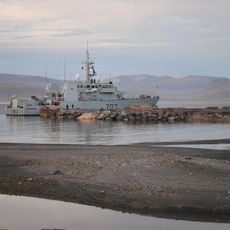
The region is only reachable by boat or small aircraft during the ice-free months. Plan visits between June and September when water conditions are most favorable for travel.
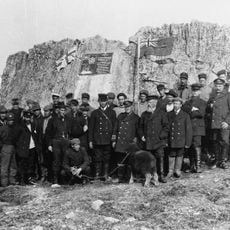
The peninsula was home to an important scientific discovery when the magnetic North Pole was first located on its western shore in 1831. This finding fundamentally changed how scientists understood Earth's magnetic field.
The community of curious travelers
AroundUs brings together thousands of curated places, local tips, and hidden gems, enriched daily by 92,702 contributors worldwide.