Lyskamm, Alpine peak in Pennine Alps, Switzerland and Italy
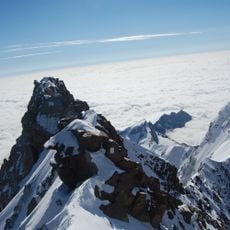
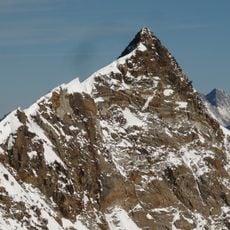
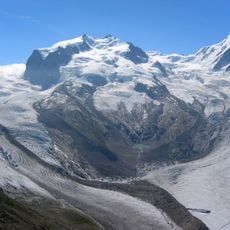
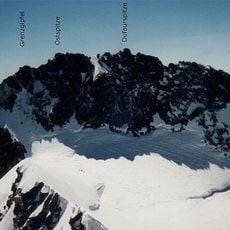
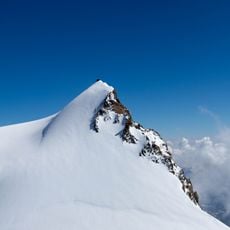
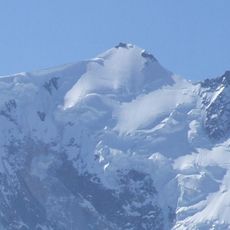
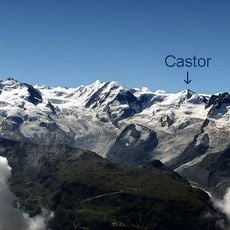
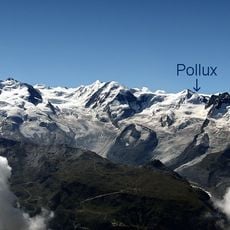
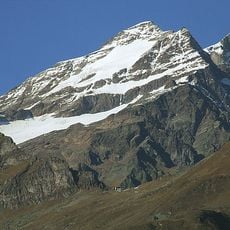
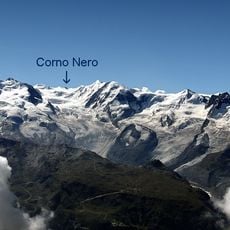
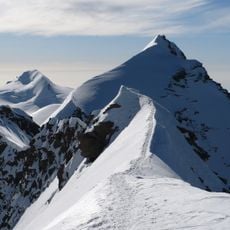
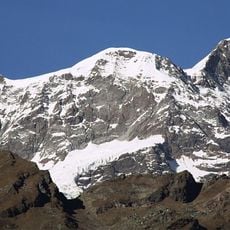
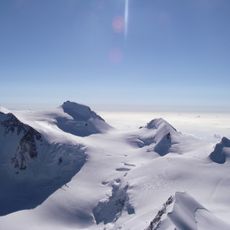
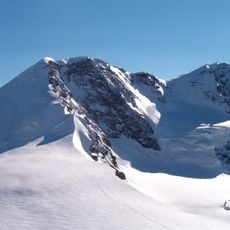
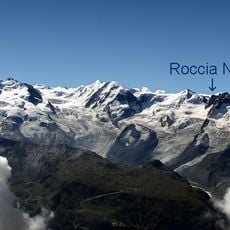
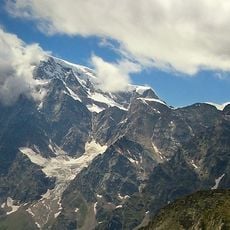
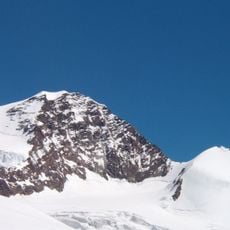
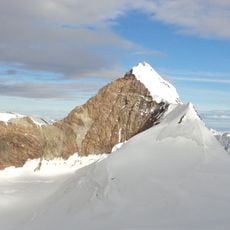
Lyskamm is a five-kilometre-long ridge in the Pennine Alps on the Swiss-Italian border, with an eastern summit at 4,532 m and a western summit at 4,479 m separated by over a kilometre. Its northern side is a 1,100-metre ice-covered wall above the Grenzgletscher, while the southern flank rises up to 500 m above the Lysgletscher.
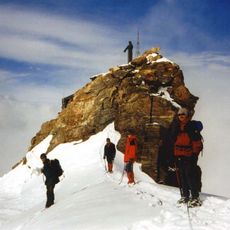
The east summit was first climbed on 19 August 1861 by a party of seven Englishmen and one Scot led by J. F. Hardy, with six Swiss guides including Franz Josef Lochmatter of St. Niklaus, via the Lisjoch and east ridge. Three years later Leslie Stephen, Edward N. Buxton, Jakob Anderegg and Franz Biener made the first traverse of the ridge and the west summit. On 9 August 1890 Ludwig Norman-Neruda with Christian Klucker and J. Reinstadler opened the north face route.
The name Lyskamm means "crest of the Lys", after the Lys glacier and valley on the Italian side; the alternative name Silberbast ("silver bast") appears in the sources without a recorded explanation. The mountain's other byname, Menschenfresser ("people eater"), comes from the cornice collapses that have killed climbers on the ridge.
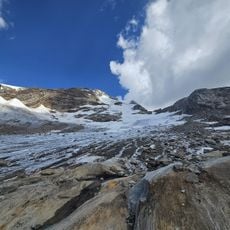
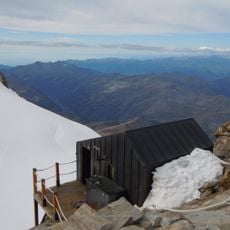
Climbers can access the mountain through several base huts including Mantova Hut, Gnifetti Hut, and Quintino Sella Hut, and conditions are generally best during the warmer months. Preparation for altitude and Alpine conditions is essential for a safe visit to this mountain region.
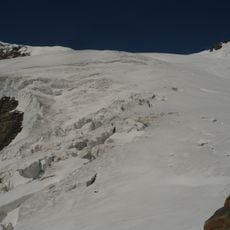
The north face displays a steep ice wall above the Grenz Glacier, while the south side offers a much gentler rise from Lysgletscher. This contrast makes the mountain interesting for climbers of different skill levels seeking different routes.
The community of curious travelers
AroundUs brings together thousands of curated places, local tips, and hidden gems, enriched daily by 94,050 contributors worldwide.