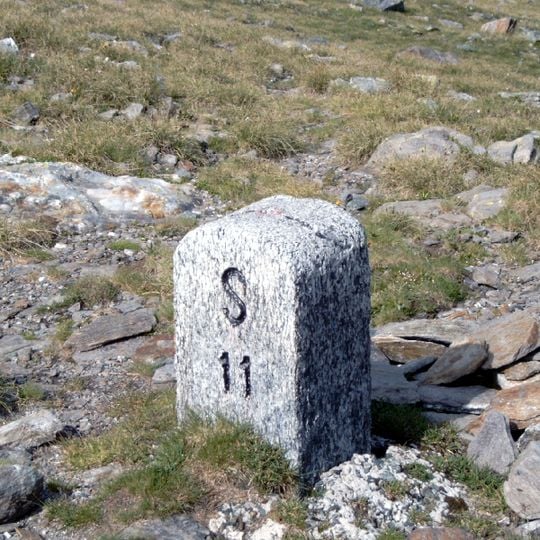
France–Switzerland border, International border in eastern France and western Switzerland
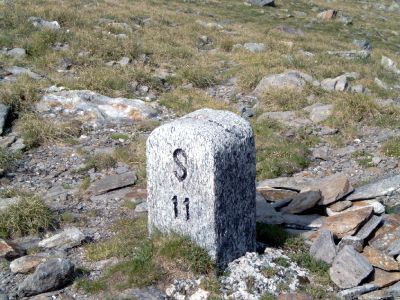
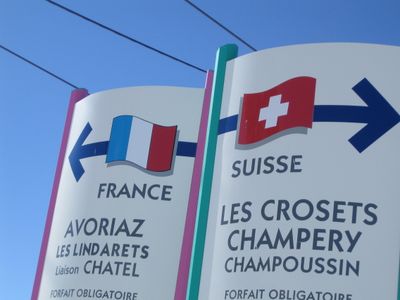
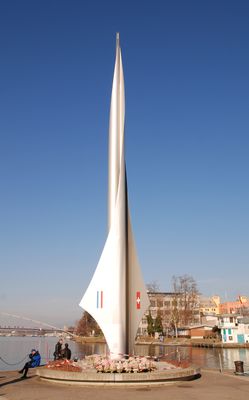
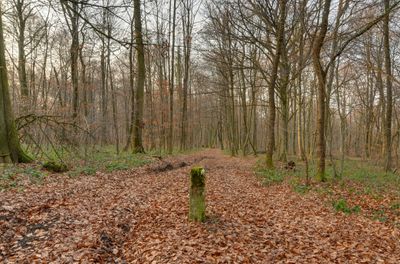
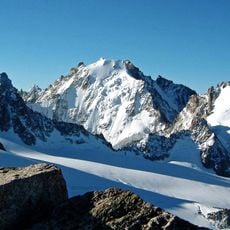
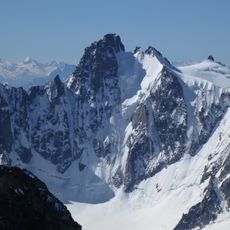
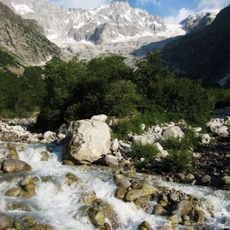
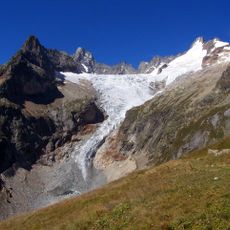
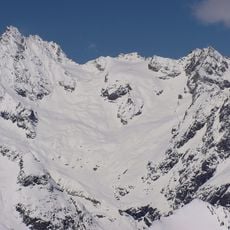
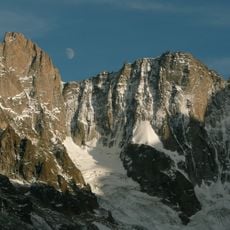
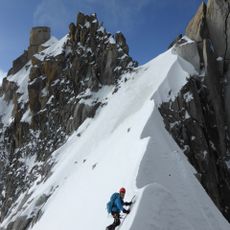
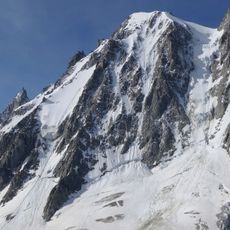
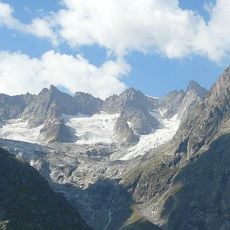
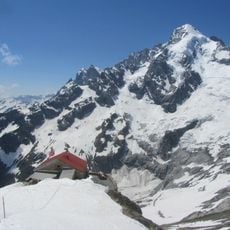
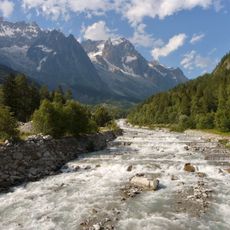
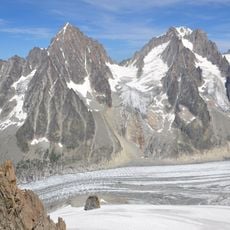
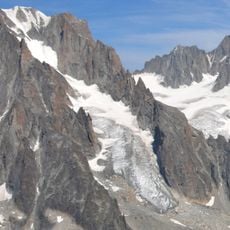
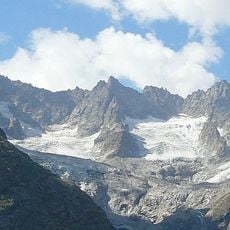
The France–Switzerland border is an international frontier in eastern France and western Switzerland that runs for 572 kilometers (355 miles). It passes through the Rhine Valley, Jura Mountains, Lake Geneva, and Alpine terrain, linking urban centers with rural valleys.
The present boundary line was mainly set at the Congress of Vienna in 1815, when Geneva, Neuchâtel, and Valais joined the Confederation. Earlier territorial agreements between French and Swiss authorities had laid groundwork for this alignment.
Border regions show linguistic ties, with German speakers in the north and French speakers across central and southern stretches. This linguistic division appears in place names, road signs, and the daily routines of people living near the line.
Passport checks stopped after Switzerland joined Schengen in 2008, yet customs inspections remain active at several crossing points. Travelers should carry valid identification for cross-border trips and be aware of differing currencies and shopping regulations.
Three boundary markers sit inside the CERN Meyrin facility, which required special agreements between both countries for scientific operations. The particle accelerator itself runs beneath both nations, making the site one of the few places where international physics research literally crosses the line.
The community of curious travelers
AroundUs brings together thousands of curated places, local tips, and hidden gems, enriched daily by 91,807 contributors worldwide.