Franche-Comté, Cultural region in eastern France
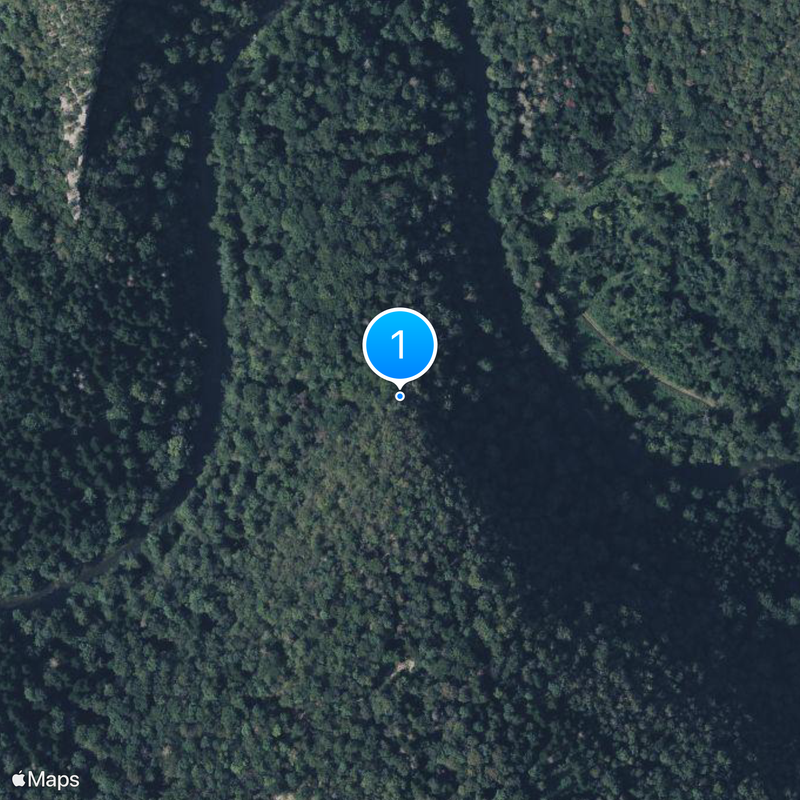
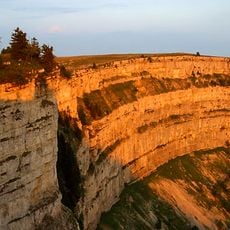
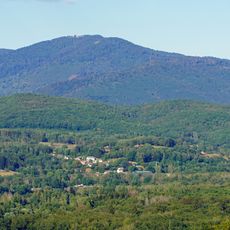
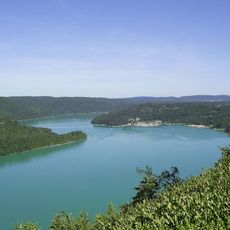
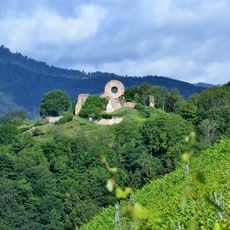
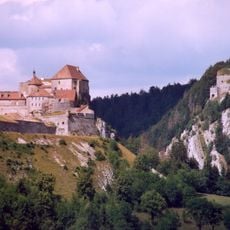
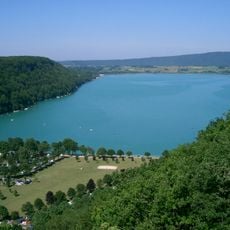
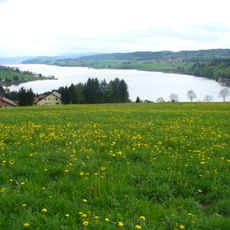
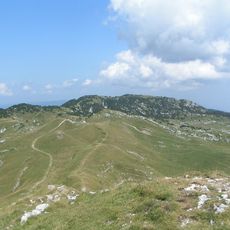
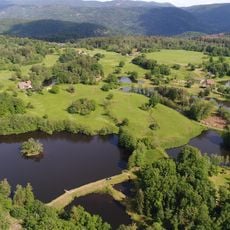
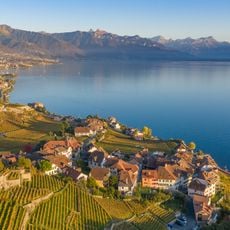
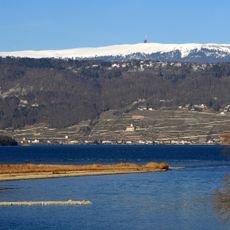
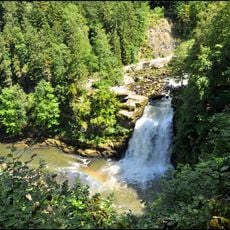
Franche-Comté is a historic region in eastern France, stretching between the Swiss border and Burgundy, crossed by rivers and forested hills. The area covers four departments and includes parts of the Vosges as well as the Jura range with its pine forests and limestone plateaus.
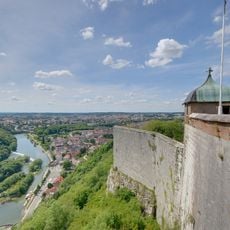
The territory passed to the Habsburgs in 1493 through marriage and remained part of the Burgundian state until 1679, when Louis XIV annexed it to France. Besançon became capital of the French province and kept that role until the merger with Burgundy in 2016.
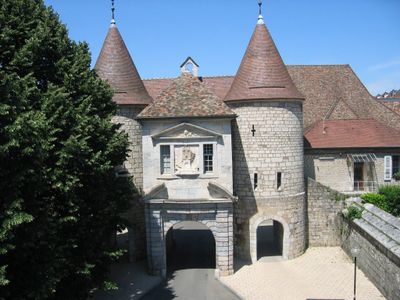
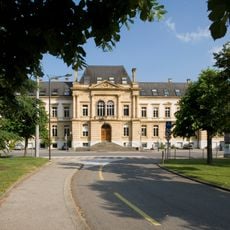
Many towns display yellow limestone facades and glazed tile roofs, architectural traces left by centuries under Burgundian and Habsburg rule. Local markets still feature Comté cheese wheels, smoked sausages and pine honey, products tied to the mountains and pastures that shape daily life here.
The terrain suits hiking in the higher elevations and cycling along the river valleys, though trails can be snow-covered in winter. Smaller towns offer accommodation and regional dining, while larger centers like Besançon provide museums and historic quarters.
The Parliament in Dôle served simultaneously as supreme court and state council, administering three districts with differing local customs. Some villages on the Jura heights preserve 17th-century fountains and washing places that still bear coats of arms carved in stone.
The community of curious travelers
AroundUs brings together thousands of curated places, local tips, and hidden gems, enriched daily by 91,417 contributors worldwide.