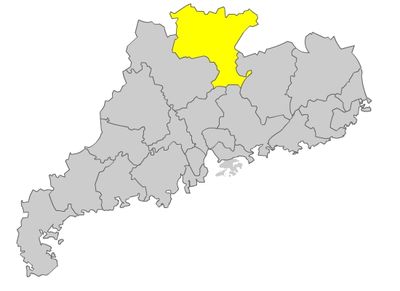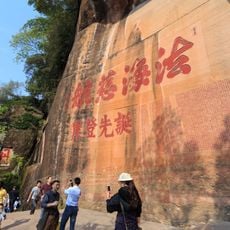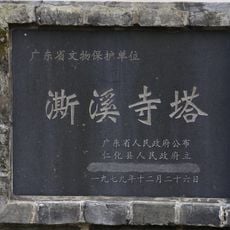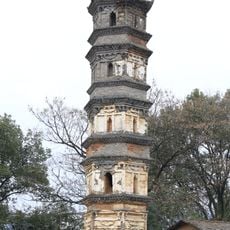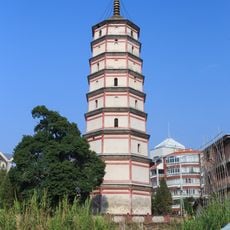
Shaoguan, Prefecture-level city in northern Guangdong, China.
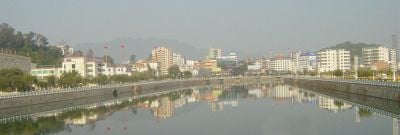
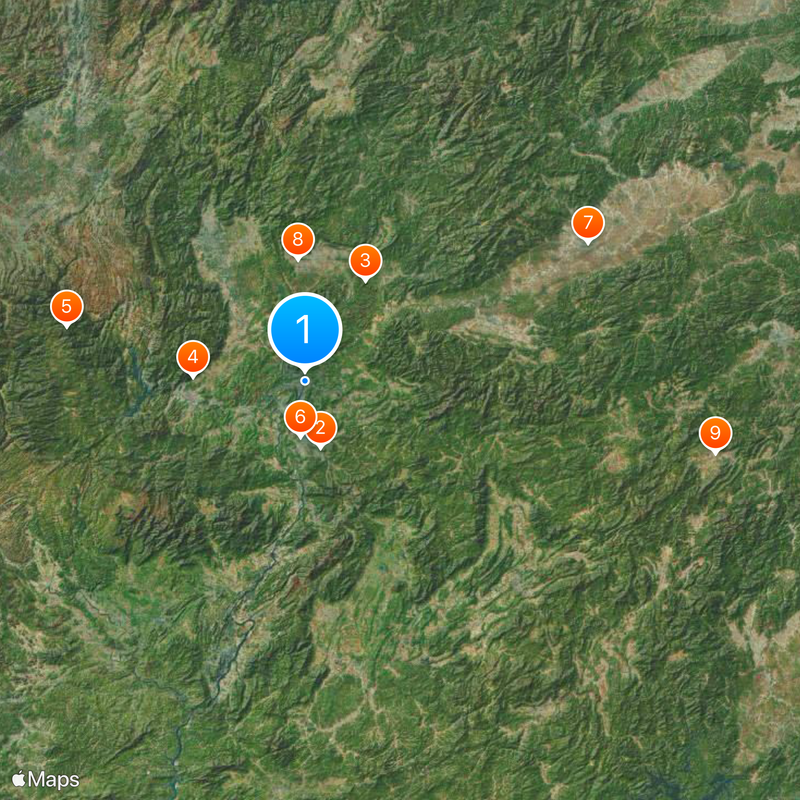
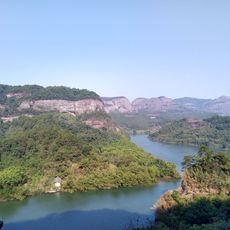
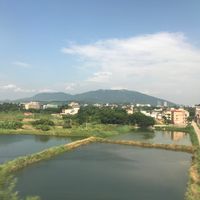
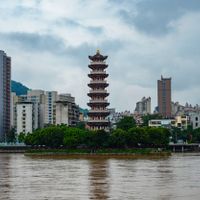
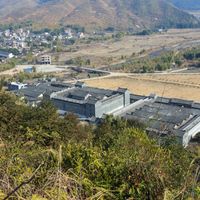
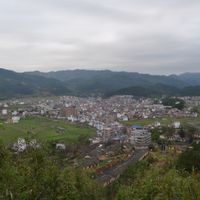
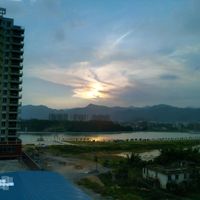
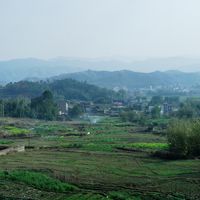
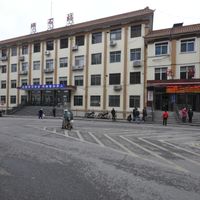
Shaoguan is a prefecture-level city in northern Guangdong situated between the Wu and Zhen Rivers, which merge to form the North River in hilly terrain. The urban core consists of three major districts—Wujiang, Zhenjiang, and Qujiang—connected by an extensive network of roads and public transportation systems.
The city became the capital of Guangdong Province during World War II after Japanese forces occupied coastal regions in 1937. This administrative role highlights the city's strategic importance in modern China.
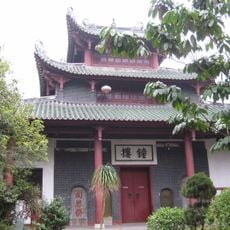
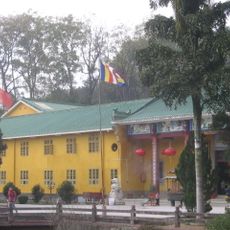
The Dajian Monastery, founded in 660, preserves the mummified remains of Huineng, the sixth patriarch of Zen Buddhism. Pilgrims and visitors come to this site to connect with its spiritual importance and religious traditions.
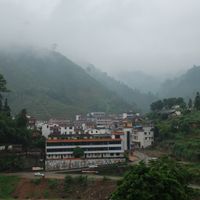
The terrain is hilly, so wear comfortable shoes and allow time to navigate varying elevations. Public transportation connects the various districts well, making it straightforward to move between them.
The region holds substantial mineral deposits including iron ore, tungsten, and antimony, which have long supported local industries. These natural resources have significantly shaped development as a metallurgy and power generation center.
The community of curious travelers
AroundUs brings together thousands of curated places, local tips, and hidden gems, enriched daily by 90,808 contributors worldwide.