New Kowloon, human settlement
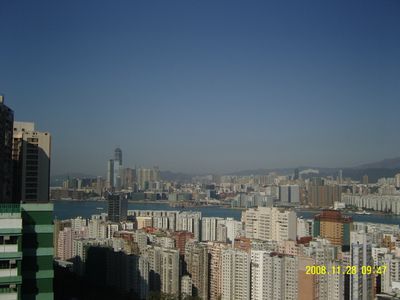
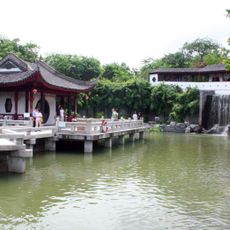
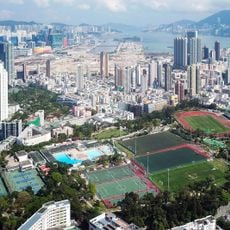
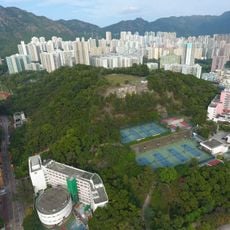
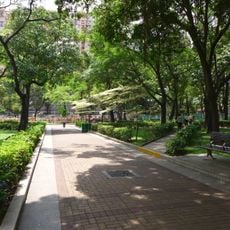
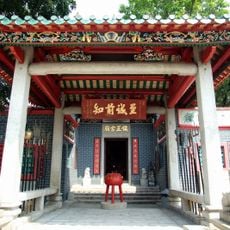
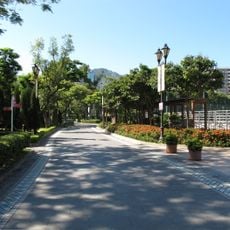
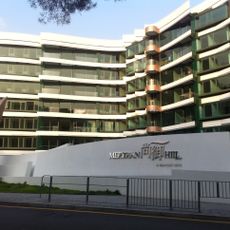
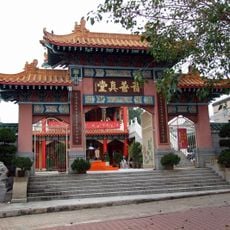
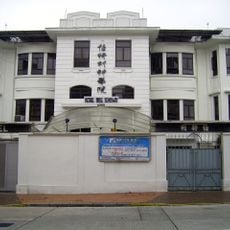
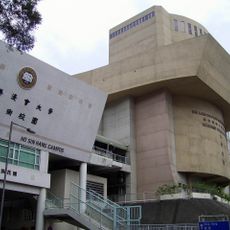
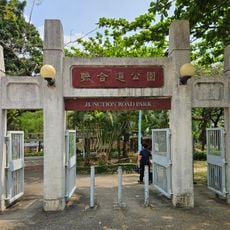
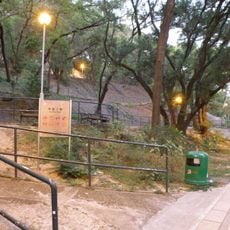
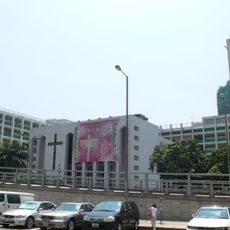
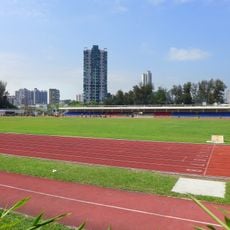
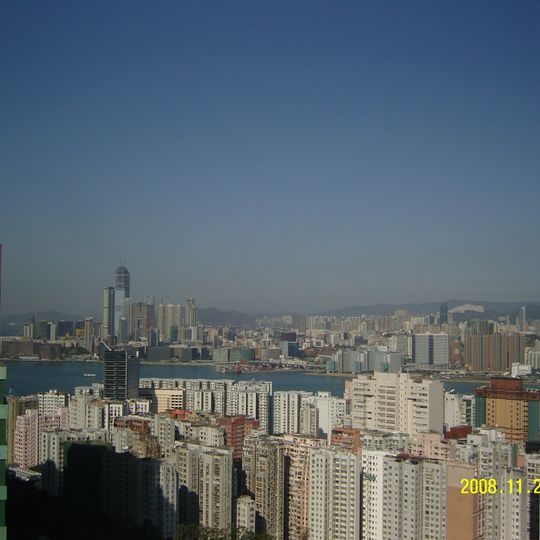
New Kowloon is a densely populated urban area north of Victoria Harbour with multiple neighborhoods, each featuring tall buildings and narrow streets filled with small shops and food vendors. The landscape combines residential towers, commercial streets, temples, and parks that form distinct districts such as Mong Kok and Tsim Sha Tsui.
Southern Kowloon was ceded to Britain in 1860, while New Kowloon was leased in 1898 and remained largely undeveloped for decades. After World War II, the arrival of refugees from mainland China transformed it into a rapidly urbanizing area with dense housing, markets, and modern infrastructure.
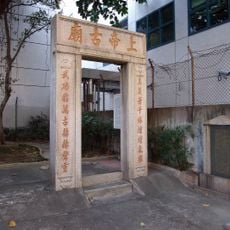
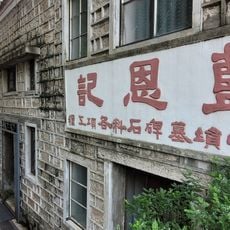
New Kowloon takes its name from 'Nine Dragons', referring to mountains and local legends that remain visible in the area's temples and street signage. Daily life here revolves around bustling markets, street food stalls, and small shops where people gather and interact throughout the day.
Visitors can explore the area easily using the Star Ferry, trains, buses, and tunnels that connect it to Hong Kong Island. Early mornings are ideal for visiting markets, while evenings offer street performances and local dining experiences throughout the neighborhoods.
Building heights were historically limited by nearby airport flight paths, giving the area a different skyline than other parts of Hong Kong. This aviation restriction shaped the urban character and distinguishes New Kowloon from taller developments elsewhere in the city.
The community of curious travelers
AroundUs brings together thousands of curated places, local tips, and hidden gems, enriched daily by 92,241 contributors worldwide.