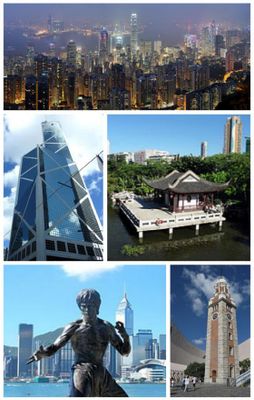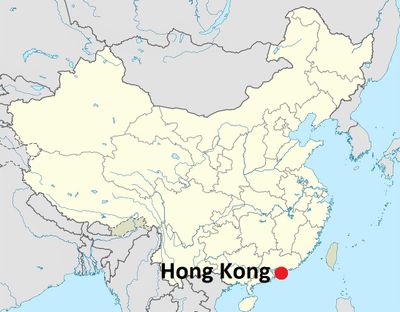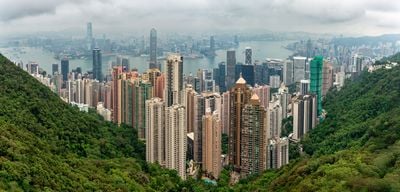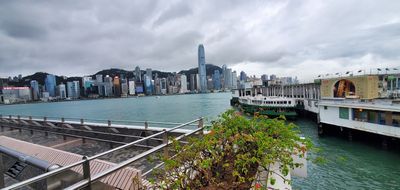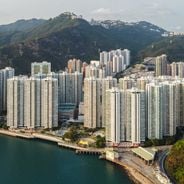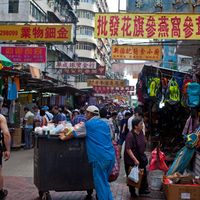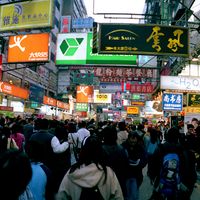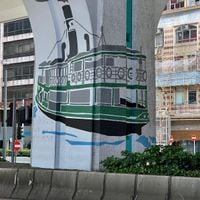
Hong Kong, Global financial center in South China.
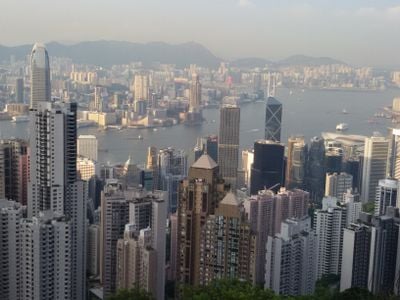
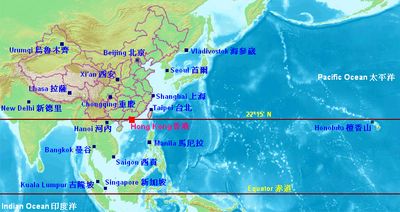
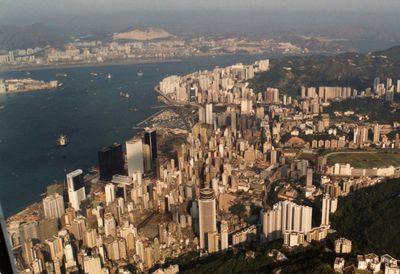
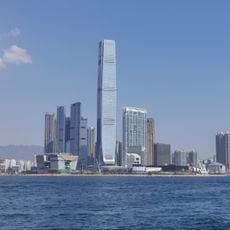
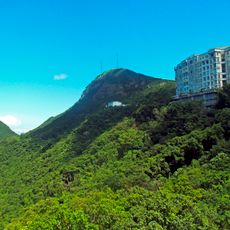
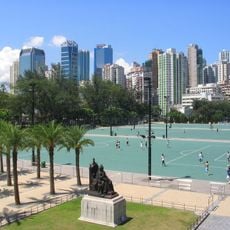
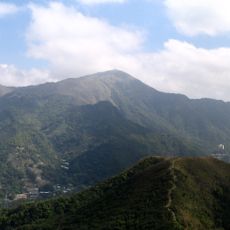
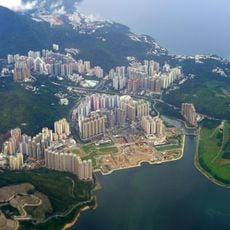
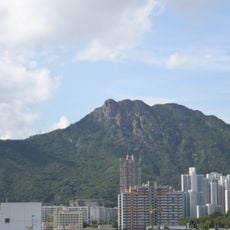
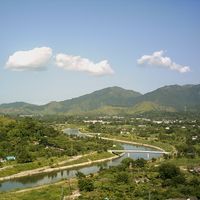
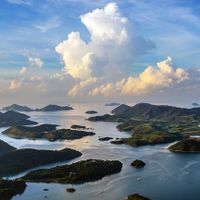
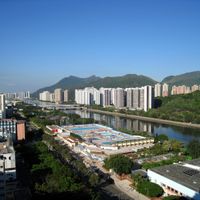
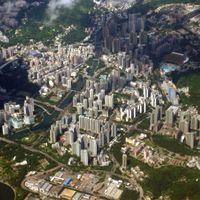
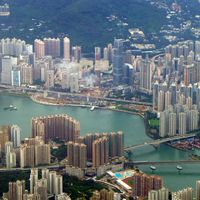
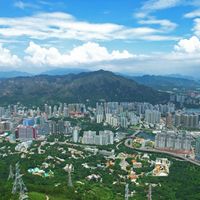
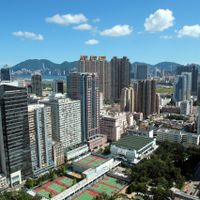
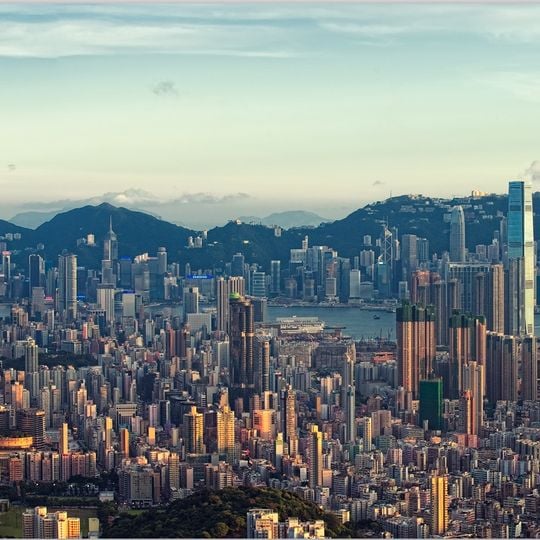
The territory comprises Hong Kong Island, Kowloon Peninsula, the New Territories and 262 surrounding islands across 1,114 square kilometers (430 square miles) of land, with high-rises dominating urban areas and forested mountains covering much of the outlying districts, while population density ranks among the highest worldwide.
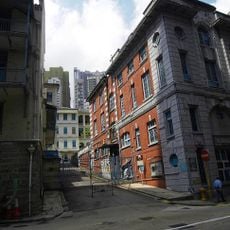
British forces occupied the area in 1841 during the First Opium War, after which the Treaty of Nanking in 1842 ceded the island to the United Kingdom, while later agreements added Kowloon in 1860 and the New Territories in 1898, until the entire region returned to Chinese sovereignty in 1997, becoming a Special Administrative Region with autonomy until 2047.
The economy blends Western business practices with Chinese commercial traditions, while Cantonese dominates daily life and local identity is protected by the Basic Law, which guarantees separate legal systems, currency and border controls from the mainland, creating a distinct political status within the People's Republic of China.
The Mass Transit Railway network connects 93 stations across Hong Kong Island, Kowloon and the New Territories, handling over 4.5 million passenger trips daily, while Chek Lap Kok International Airport offers direct flights to over 200 destinations worldwide and ferries link major districts.
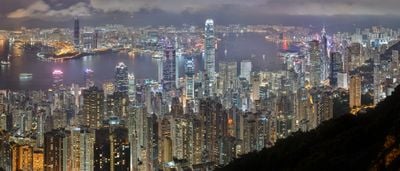
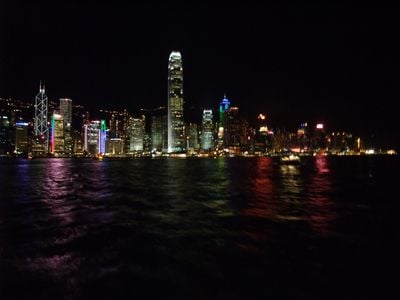
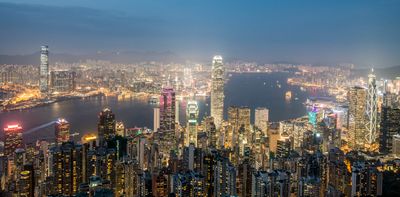
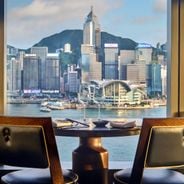
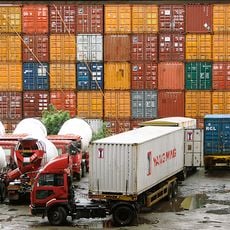
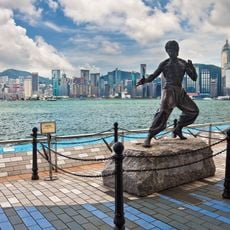
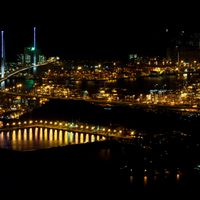
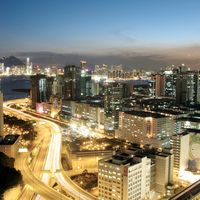
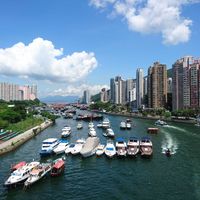
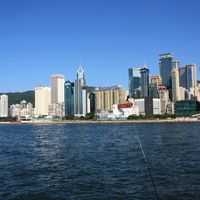
Victoria Harbour separates Hong Kong Island from Kowloon Peninsula, forming a natural deepwater port that developed the area into a major international trading center, while the nightly Symphony of Lights show incorporates over 40 buildings along both shores into a synchronized light and sound presentation that has run since 2005.
The community of curious travelers
AroundUs brings together thousands of curated places, local tips, and hidden gems, enriched daily by 60,000 contributors worldwide.