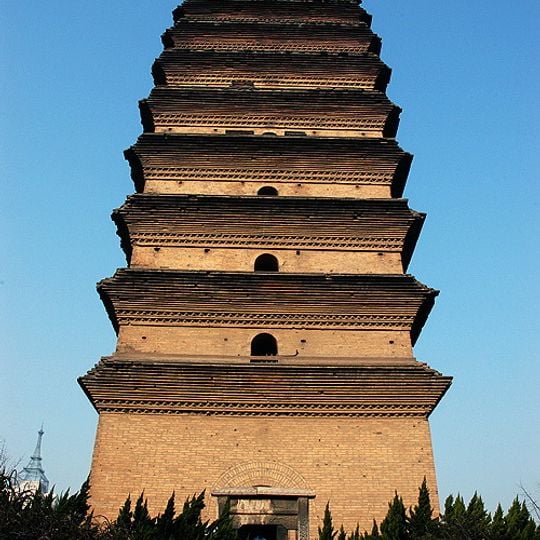
Small Wild Goose Pagoda, Tang dynasty pagoda in Xi'an, China
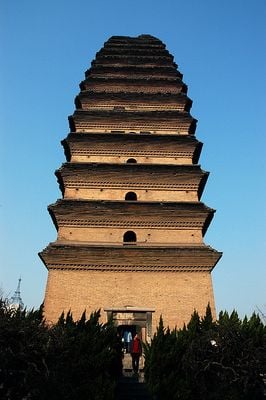
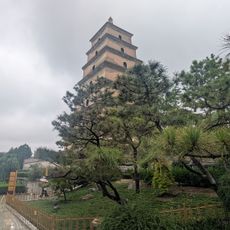
The Small Wild Goose Pagoda is a brick structure rising 43 meters with fifteen tiers arranged in a square footprint. The construction reveals typical Tang dynasty techniques, with sturdy brick walls and a simple, functional design that has survived for over a thousand years.
The tower was built in 707 during the Tang dynasty's height and functioned as a repository for Buddhist manuscripts from across the region. A major earthquake in the 1500s caused significant structural damage that permanently affected the building's original proportions.
The name reflects its smaller size compared to the Great Wild Goose Pagoda elsewhere in the city. Walking through the structure, visitors can observe how the pagoda served pilgrims traveling the Silk Road who came to study Buddhist teachings.
The grounds are straightforward to navigate, with clearly marked entrances and wide walkways surrounding the structure. Visitors can arrive anytime during opening hours and should wear sturdy shoes since you will be walking on stone surfaces.
An earthquake in the late 1400s created a visible crack in the brick walls that remained unfixed for over four centuries. This distinctive fissure was finally repaired in the mid-1900s and now stands as a quiet reminder of the region's seismic history.
The community of curious travelers
AroundUs brings together thousands of curated places, local tips, and hidden gems, enriched daily by 91,125 contributors worldwide.