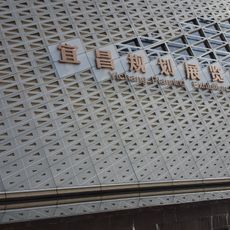
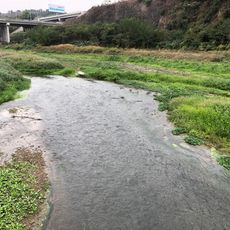
Ying, Ancient city ruins in Jingzhou, China
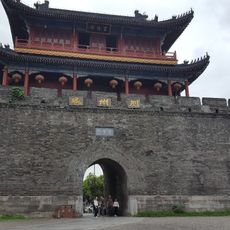
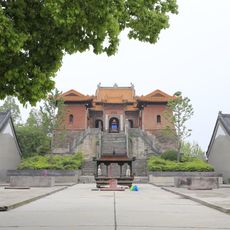
Ying is an archaeological site on the Jianghan Plain with remains of city walls, residential buildings, and defensive structures from ancient times. The excavations reveal the layout and organization of a major settlement where people lived, worked, and conducted trade.
The city served as the capital of the State of Chu from 689 to 278 BCE, making it a political and economic hub for over 400 years. Its decline came when military forces conquered the region and ended its era of importance.
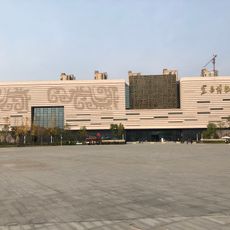
The site reveals how the Chu people lived through bronze tools, pottery, and written inscriptions left behind in the soil. These objects in nearby museums show the craftsmanship and daily routines of residents from centuries ago.
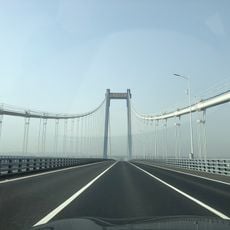
The site is accessible by major roads in Hubei Province with parking available on-site and educational displays about the ancient settlement. Visitors can walk through the remains at their own pace and learn more from information panels placed throughout the area.
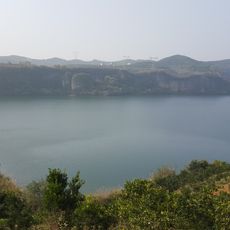
Its location near the Yangtze River allowed the city to control water routes and trade networks across the region, which was the key to its power. Archaeological evidence shows how the river connection shaped commerce and helped the city grow wealthy.
The community of curious travelers
AroundUs brings together thousands of curated places, local tips, and hidden gems, enriched daily by 91,424 contributors worldwide.