Historic Centre of Macau, UNESCO World Heritage Site in Macau, China
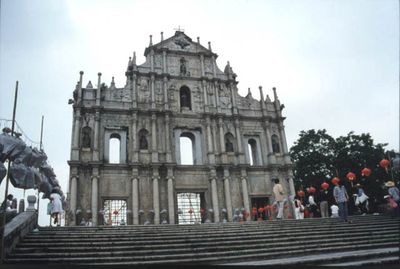
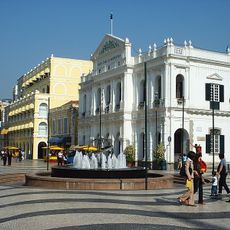
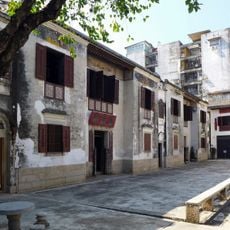
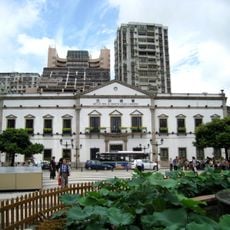
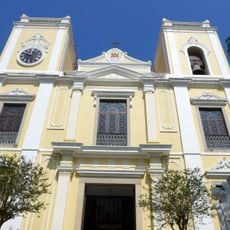
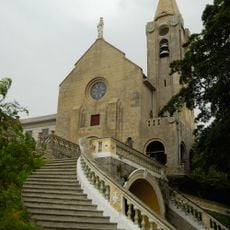
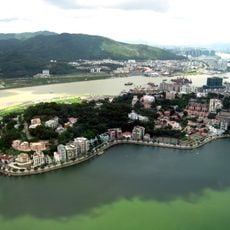
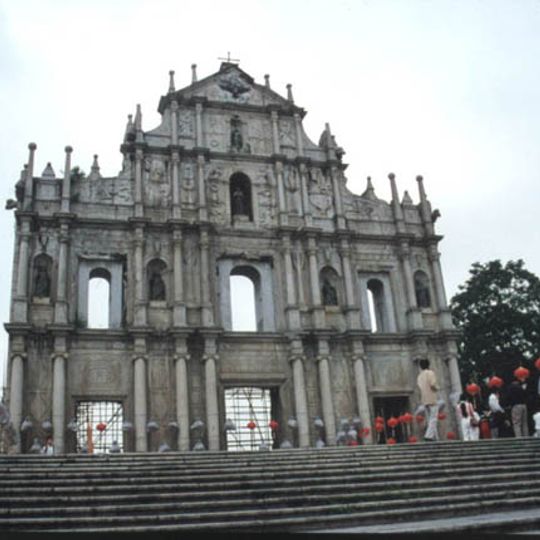
The Historic Centre of Macao comprises over twenty locations across two core zones on the Macau peninsula: Zone 1 between Mount Hill and Barra Hill, and Zone 2 around Guia Hill. It includes urban squares, streetscapes, churches, temples and fortresses that show the coexistence of Chinese and Portuguese architecture. The Ruins of St. Paul's, a stone facade with three tiers of openings, carved figures and a pediment topped by a cross, is among its best-known monuments.
Macau became a Portuguese trading port in the mid-16th century, and the Historic Centre was inscribed on the UNESCO World Heritage List on 15 July 2005 as China's 31st World Heritage site. The listing was approved in under ten minutes at the 29th session in Durban, after the name was changed from "Macau Historic Buildings" to reflect the whole urban area.
The name Macau is often linked to A-Ma Temple, dedicated to the sea goddess Matsu, and the city's Portuguese past survives in place names and in the Patuá creole once spoken by Macanese families. The centre's squares host processions and festivals that mix Catholic and Chinese observances, and its food, such as African chicken and egg tarts, reflects the same meeting of influences.
The area is easy to explore on foot, with flat streets and clear paths connecting the main sights. Tourist information centers offer free maps to help you navigate the different zones.
The centre's name was changed during nomination: it was first proposed as the "Macao Historic Buildings" and ICOMOS recommended renaming it the Historic Centre of Macao to reflect the whole protected area. The 2005 inscription made it China's 31st World Heritage Site, approved by the committee in under ten minutes.
The community of curious travelers
AroundUs brings together thousands of curated places, local tips, and hidden gems, enriched daily by 94,155 contributors worldwide.