Hong Kong UNESCO Global Geopark, UNESCO Global Geopark in Hong Kong, China
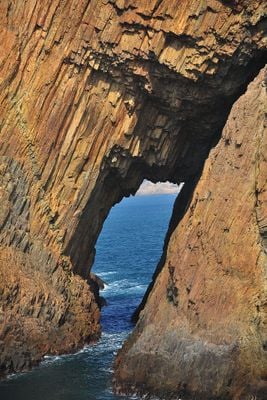
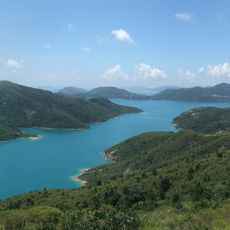
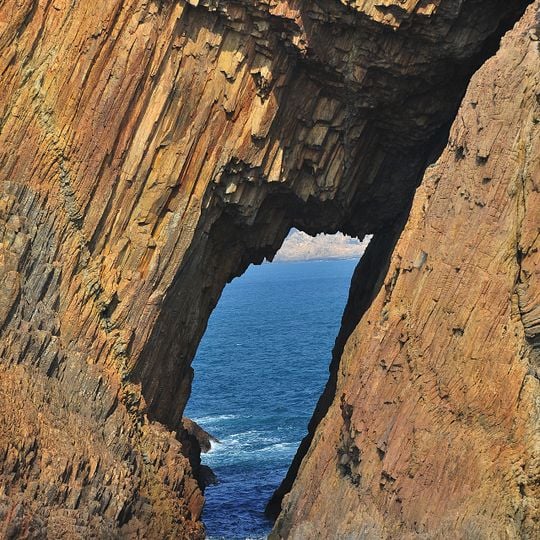
The Hong Kong UNESCO Global Geopark covers over 150 km2 in two regions: the Sai Kung Volcanic Rock Region, with tuff columns averaging 1.2 m in diameter, and the Northeast New Territories Sedimentary Rock Region, with rocks from 400 to 55 million years old. Port Island (Chek Chau) is made of rust-coloured conglomerate and siltstone.
This geopark began as Hong Kong National Geopark before gaining UNESCO Global Geopark recognition. The designation marked official acknowledgment of its geological importance and role in helping people understand how the landscape formed over time.
Villagers and volunteer groups run small geology education centres in converted village houses near the sites, among them the Volcano Discovery Centre at Sai Kung, the Tai Po centre at Sam Mun Tsai, and story houses on Kat O, Ap Chau, Kau Sai Chau and Lai Chi Kok. Exhibits cover local geology, history and ecology.
Visitors reach different parts of the geopark by ferry from Ma Liu Shui, with boats traveling to islands like Tung Ping Chau and Port Island. Wear sturdy shoes since many paths cross rocky terrain and coastal trails.
In 2024, experts announced the first dinosaur fossils found in Hong Kong, after bones embedded in a Cretaceous-era rock were recovered on Port Island. The island itself is made of rust-coloured conglomerate and siltstone formed during the Tertiary, when iron in the sediment oxidised in a hot, humid climate.
The community of curious travelers
AroundUs brings together thousands of curated places, local tips, and hidden gems, enriched daily by 93,903 contributors worldwide.