Ancient Tunnel of Bozhou
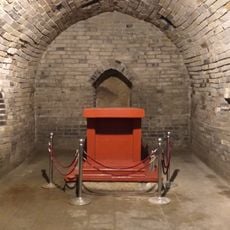
The Ancient Tunnel of Bozhou lies beneath the old town of Qiaocheng District in Bozhou, Anhui. It runs over 4,000 metres, radiating from the central intersection of Dayushou, at a usual depth of 2.5 to 4 metres and up to more than 7 metres at its deepest. The passages stand about 1.8 metres high and use earth-timber, brick-timber and brick construction, brick being the most common.
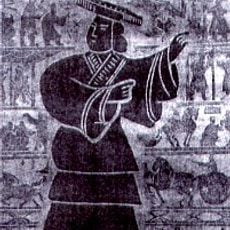
The tunnel originates from the Han Dynasty period and is connected to Cao Cao, a famous general and strategist of that era. It was later expanded and used during the Tang and Song dynasties, as shown by archaeological finds including weapons, lamps, and pottery from these periods.
The name Bozhou Ancient Tunnel comes from the underground passages beneath the old town of Qiaocheng District, which were begun in the late Eastern Han dynasty; most of what survives was built in the Song dynasty. The corridors run out from the central crossing called Dayushou, and the brick-built sections make up the largest share of the three construction types found there.
Wear comfortable shoes because the ground is uneven and the underground passages are cool and damp. Visiting with a guide is recommended to better understand the tunnel's history and safely navigate through the maze of corridors and chambers.
The tunnel is considered the longest and most complete of its kind ever found in China and is sometimes called the Underground Great Wall. This name honors its significance in Chinese military history and its extraordinary extent beneath the modern city.
The community of curious travelers
AroundUs brings together thousands of curated places, local tips, and hidden gems, enriched daily by 93,873 contributors worldwide.