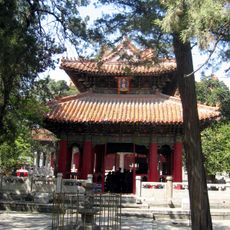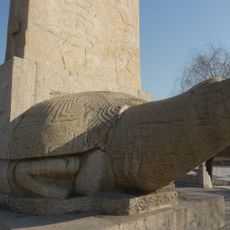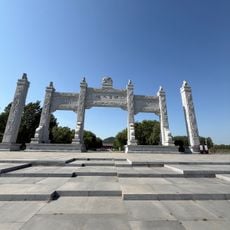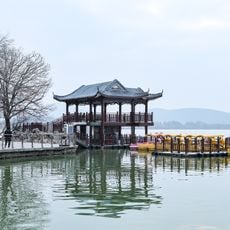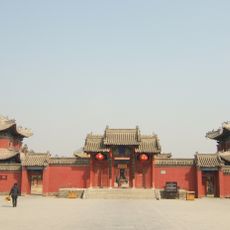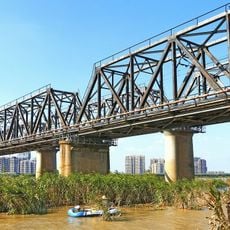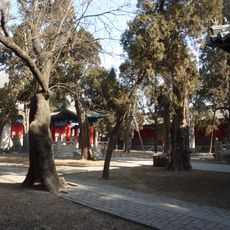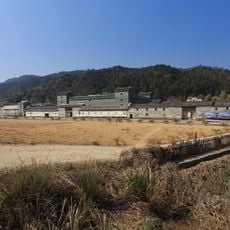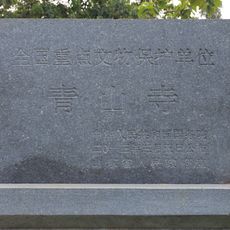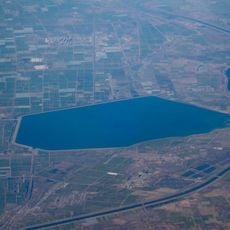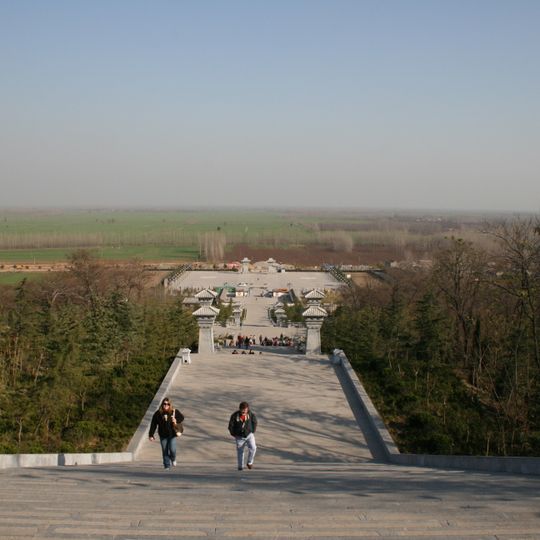
Mount Mangdang, Historic mountain summit in Yongcheng, China.
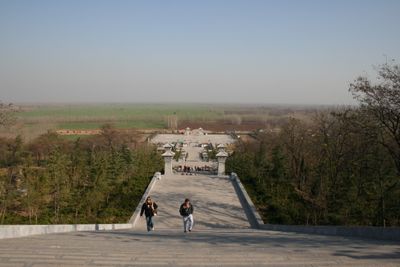
Mount Mangdang rises 156.8 meters (514 feet) above sea level and displays varying geological structures across its eastern and western slopes. Natural pathways traverse the hillsides, allowing movement through this geological formation.
The site gained prominence in 210 BC when Liu Bang, who would become Emperor Gaozu of the Han dynasty, launched his rebellion against the Qin regime from this area. This event marked the start of a transformative period in Chinese history.
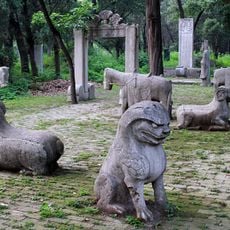
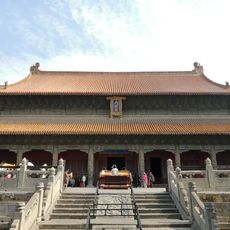
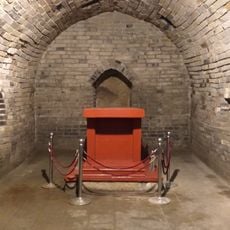
The mountain holds royal burial sites of Han dynasty kings from the Liang region, where visitors can encounter artifacts discovered during excavations. These tombs reflect the site's importance as a resting place for ruling families of that era.
The mountain is accessible from the nearby city of Yongcheng and has designated parking facilities for visitors. Marked trails guide people toward the main viewpoints and observation areas across the slopes.
During the Three Kingdoms period, the military leader Cao Cao conducted systematic excavations of the royal tombs on the mountain. These efforts uncovered archaeological treasures and left a lasting mark on the site's history.
The community of curious travelers
AroundUs brings together thousands of curated places, local tips, and hidden gems, enriched daily by 91,467 contributors worldwide.